
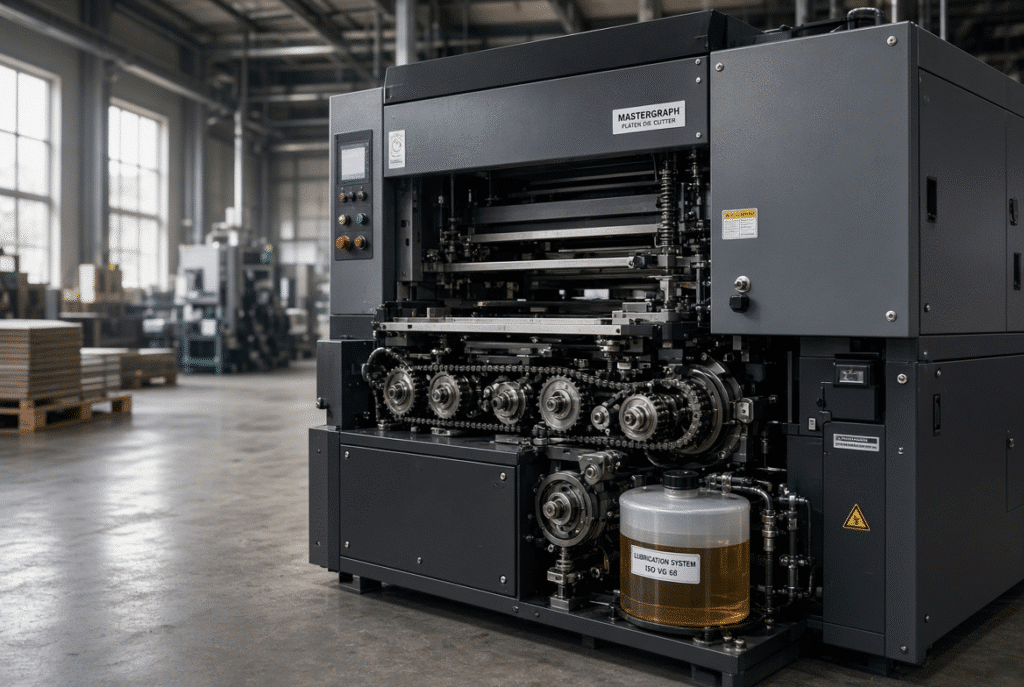
Forced Lubrication Systems in Platen Die Cutters: What They Protect and How to Maintain Them
Forced lubrication systems supply lubricant to critical moving components in platen die cutters, protecting chains, bearings, gears and transmission parts from friction and heat. Correct oil level and delivery prevent wear and seizure. Operators watch for low-oil alarms, leaks and abnormal noise; technicians follow the machine manual for filter, line and lubricant checks.
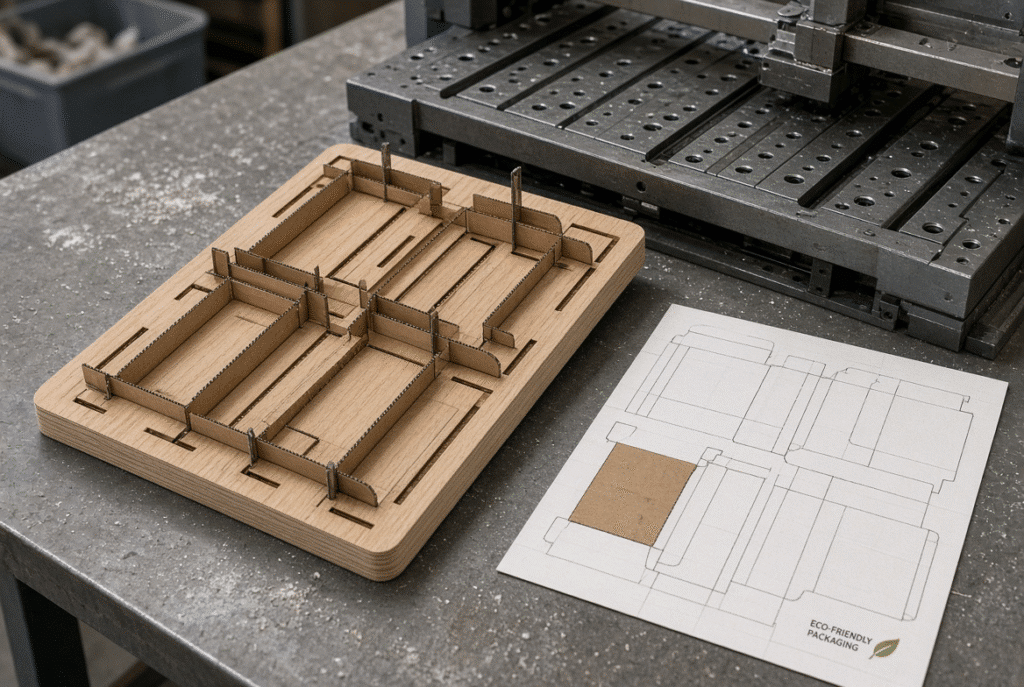
How to Extend Steel Rule Die Life in Flatbed Packaging Production: Wear, Pressure and Storage
Packaging converters can extend steel-rule die life by controlling pressure, preparing accurate make-ready, cleaning and inspecting rules regularly, matching tooling to the board, and storing dies under supported, dry conditions. Die life depends on rule quality, die-board stability, substrate, machine condition, production volume and operator practice. Premature wear is rarely caused by one factor alone.
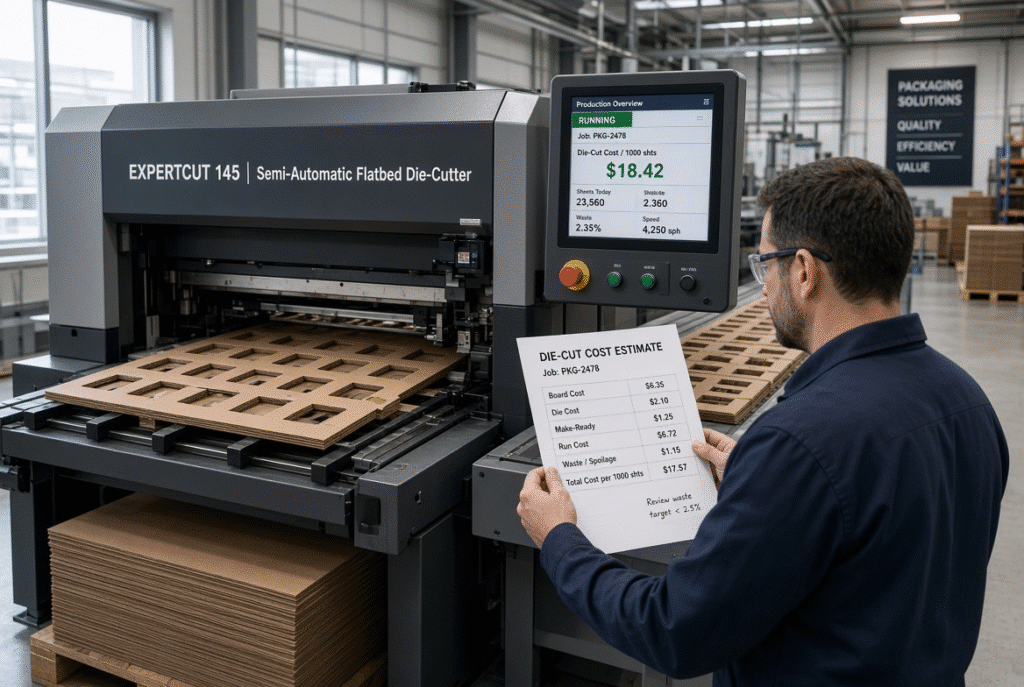
How to Calculate Die-Cutting Cost per 1,000 Sheets: Labor, Tooling, Makeready, Waste and Machine Time
Packaging plants can calculate die-cutting cost per 1,000 sheets by combining labor, tooling, setup, machine time, waste, maintenance and quality losses. The method distinguishes rated machine speed from saleable output and relies on actual production data rather than catalogue assumptions, giving estimators a clearer basis for quotations and planning.
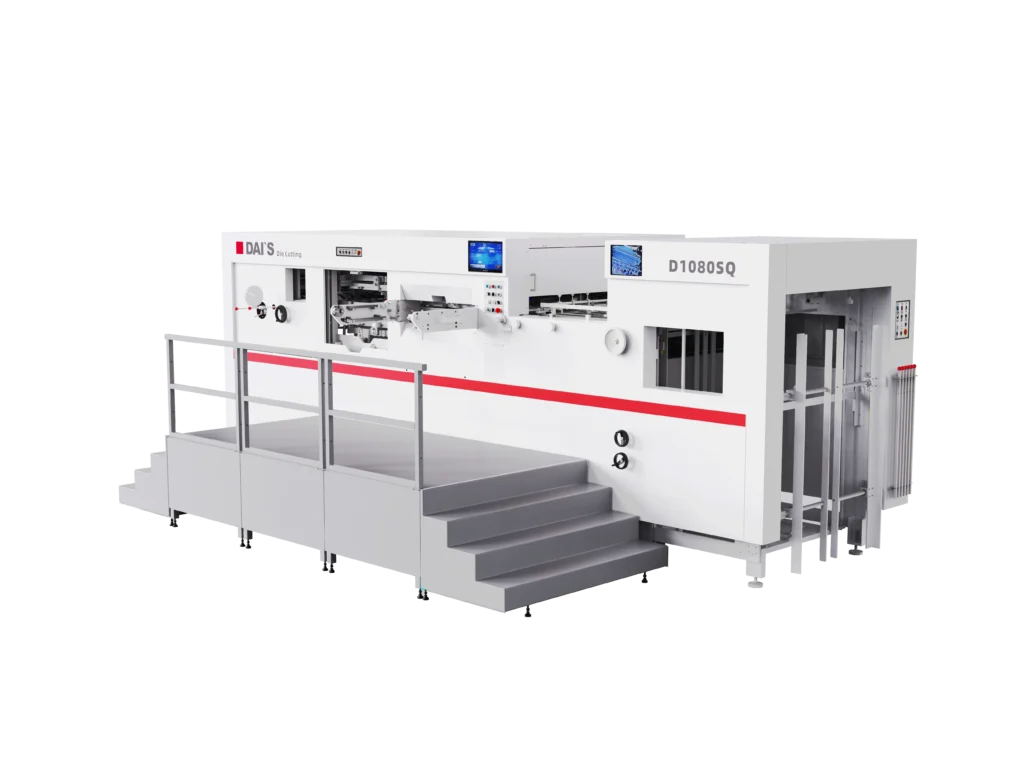
How to Check Hydraulic Pressure System on DAIS Die Cutting Machine
Learn how to maintain hydraulic pressure on DAIS automatic die cutting machines. Check the hydraulic pressure gauge, adjust the pressure regulating valve, and maintain the hydraulic oil filter for stable die cutting performance.
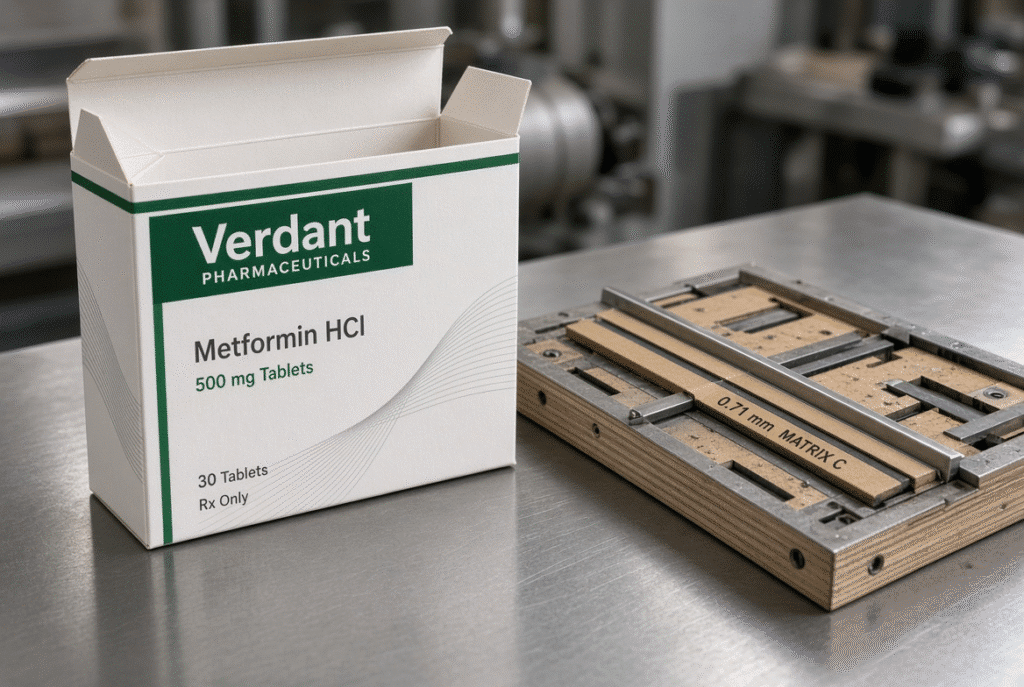
Choosing Creasing Matrix for Folding Cartons: Matching Channel Width and Depth to Board Caliper
Packaging converters choose a creasing matrix for folding cartons by evaluating board caliper, channel width, channel depth, crease-rule dimensions, folding direction and carton design. One fixed setup rarely fits every board. Sample testing with actual production material remains essential to confirm performance and prevent defects.
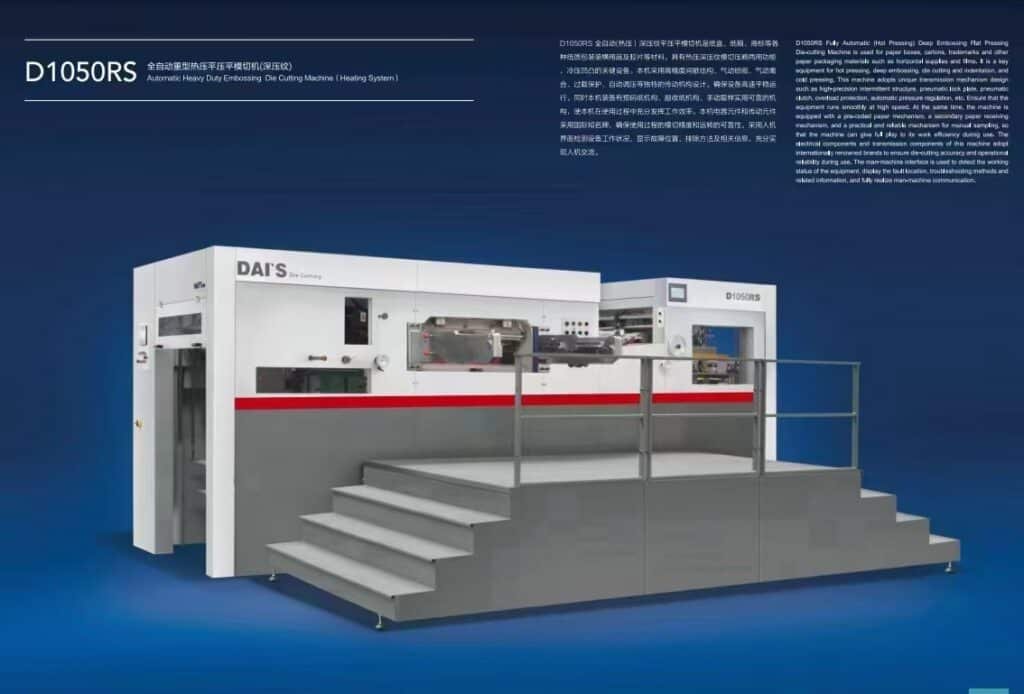
Flatbed Platen vs Digital Die Cutting: Which Process Fits Your Packaging Production Volume?
This guide helps packaging manufacturers, converters and print providers compare flatbed platen and digital die cutting. It explains how order volume, SKU variety, tooling cost, material, turnaround and finished quality determine which process fits prototypes, short runs, repeat production and high-volume packaging.
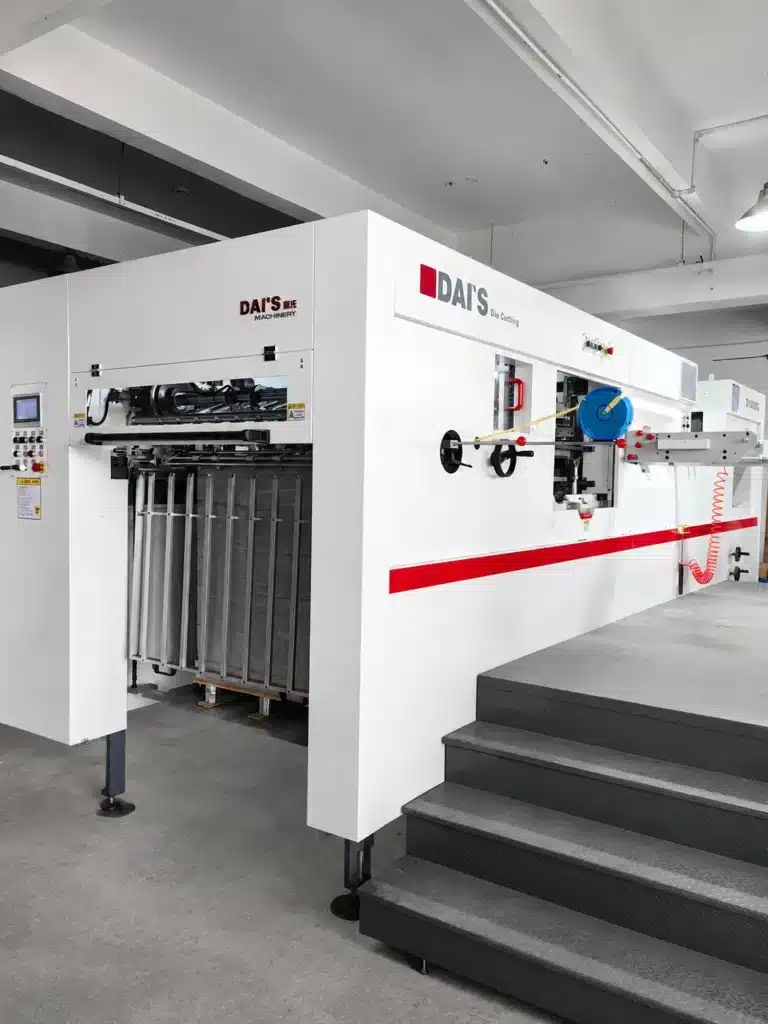
How High-Pile Feeding and Non-Stop Delivery Improve Automatic Die-Cutting Productivity
High-pile feeding and non-stop delivery help packaging plants, printing companies and production managers reduce material-handling interruptions on automatic die-cutting equipment. This guide explains pile capacity, sheet handling, delivery control, uptime, labor use and practical limitations so buyers can judge real productivity gains against their own job mix and floor layout.
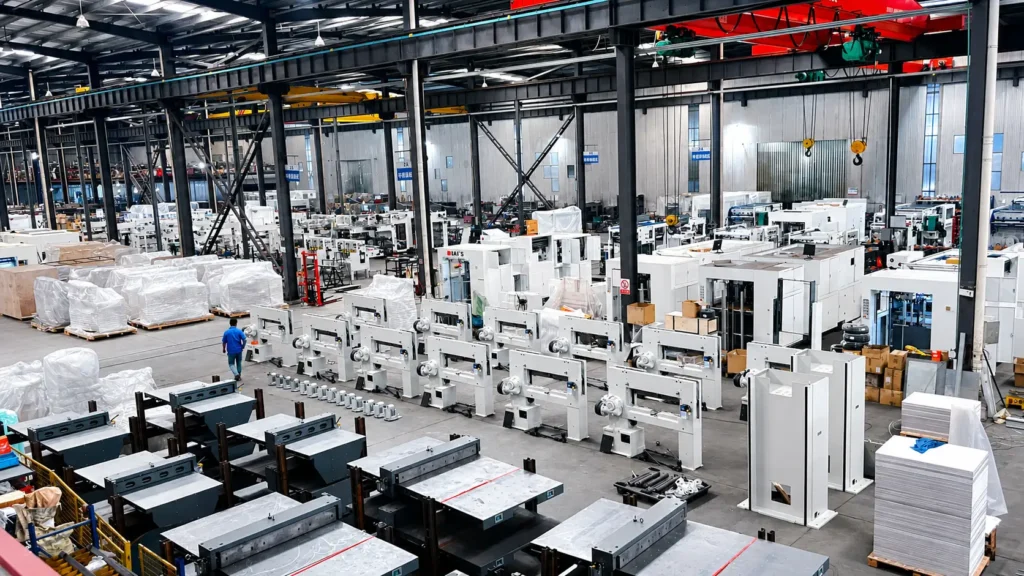
Maximum Sheet Size vs Maximum Die-Cutting Size: Why They Are Different on Automatic Die Cutters
Automatic die cutters list separate maximum sheet size and maximum die-cutting size because gripper, registration and tooling reduce the usable area. This guide explains the difference for packaging manufacturers, converters and equipment buyers, showing how to check gripper margin, layout, sheet orientation, material and production fit before purchase.
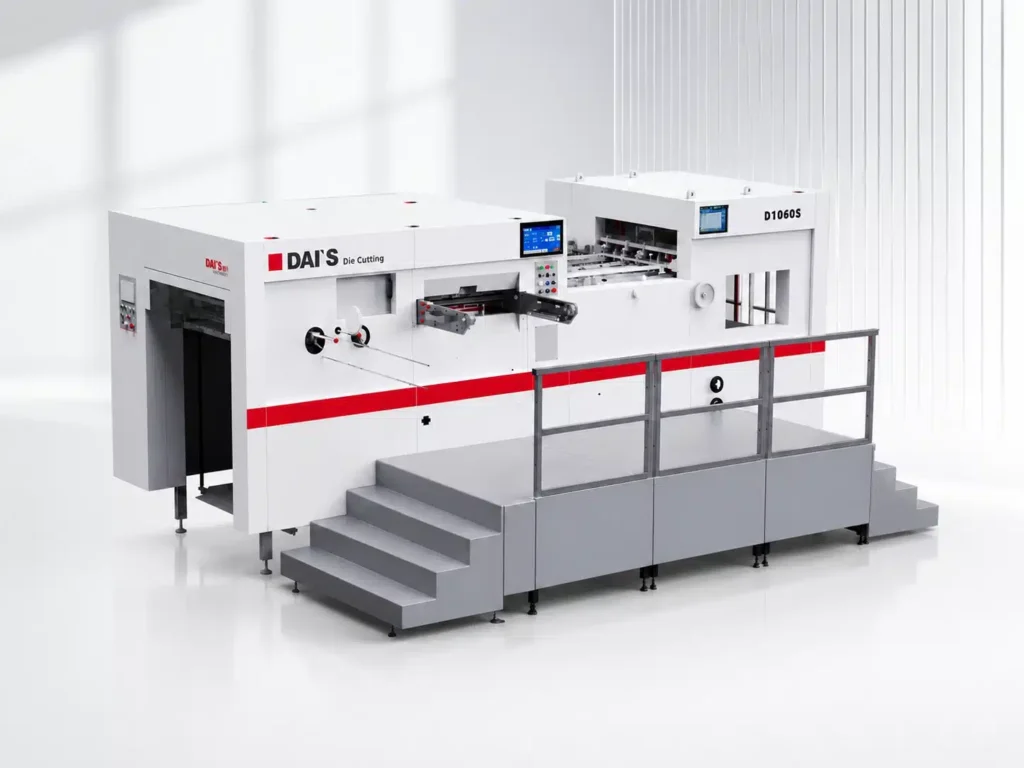
Can Automatic Flatbed Die Cutters Process Corrugated Board? Thickness, Flute and Feeding Considerations
Packaging plants evaluating automatic flatbed or platen die cutting for corrugated board need more than a thickness number. This guide walks converters, production managers and equipment buyers through board structure, flute direction, sheet condition, feeder design, registration, pressure and representative trials so they can decide whether a given machine will deliver stable production.