

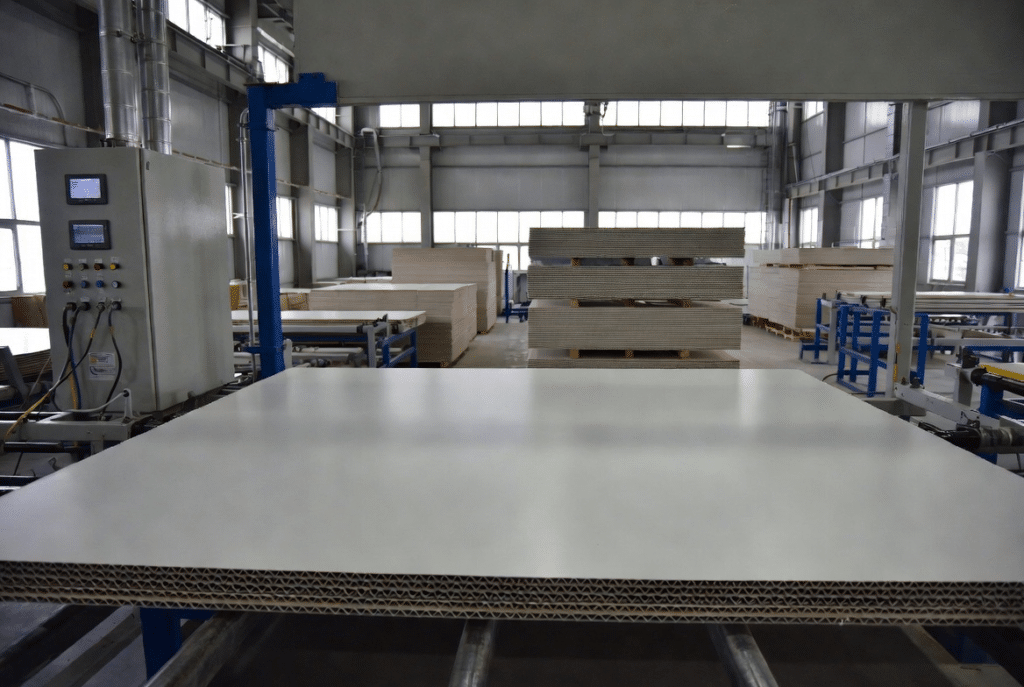
Humidity and Climate Control in Laminating Plants: Preventing Corrugated Board Warping Before and After Lamination
Corrugated packaging manufacturers and laminating-plant managers learn why board warps before or after lamination and how climate control, material conditioning, adhesive moisture, machine settings, stacking, and quality checks keep sheets flat. The guide covers the full process from incoming inspection to finished-product diagnosis.
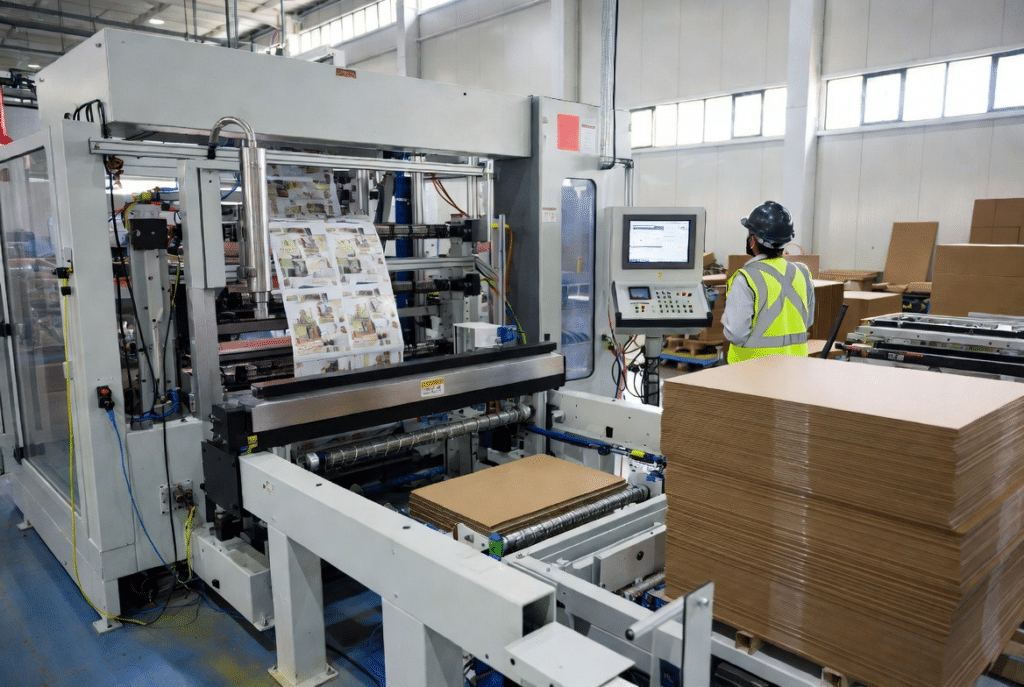
Labor Shortage in Packaging Manufacturing: How Automatic Laminating Machines Reduce Dependency on Manual Operators
Packaging manufacturers facing operator shortages learn how automatic laminating machines reduce repetitive feeding, alignment and stacking work. The guide explains which tasks can be automated, how operator roles change, remaining labor needs, training requirements, and a practical way to measure labor and productivity impact without unrealistic headcount promises.
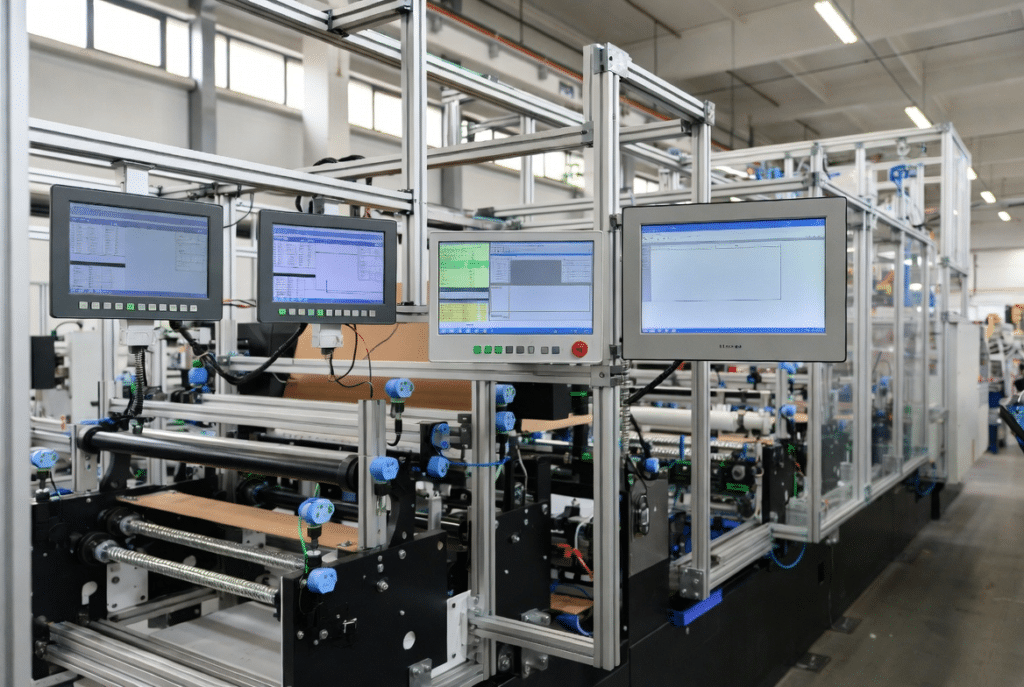
Industry 4.0 in Packaging Converting: How IoT Sensors and Remote Monitoring Are Changing Laminating Line Management
Packaging plant managers and technical directors get a clear, realistic overview of how Industry 4.0 technologies—IoT sensors, remote monitoring, predictive maintenance and system integration—change the management of automatic laminating lines. The article covers sensor selection, downtime analysis, cybersecurity and a staged implementation approach so plants can start with high-value signals instead of overreaching.
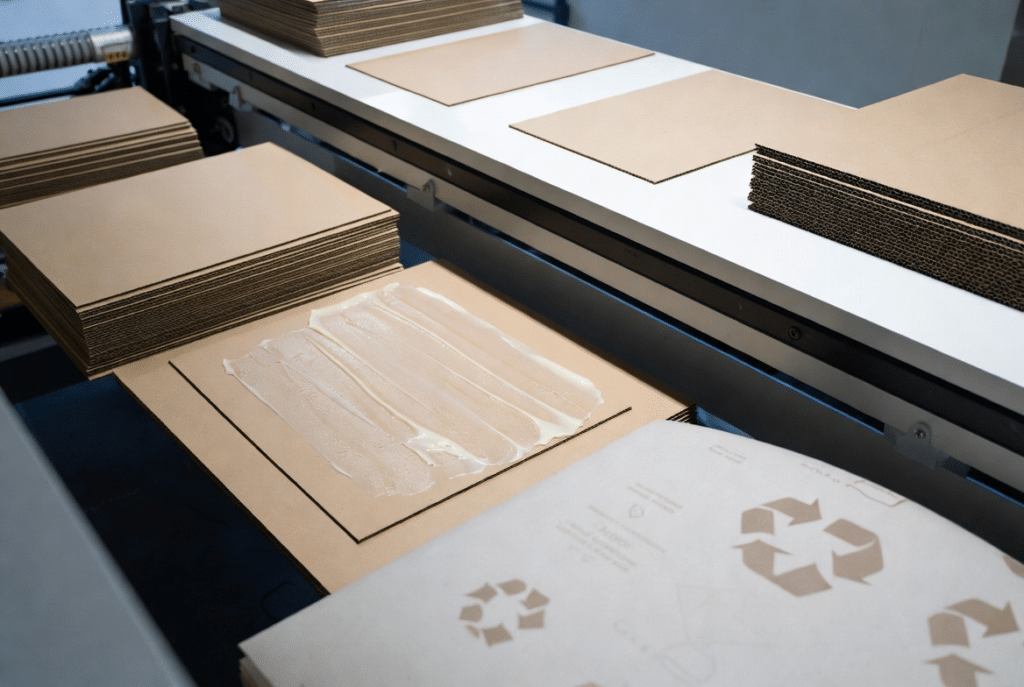
Recyclable and Sustainable Adhesives for Paperboard Lamination: Meeting EU and Retailer Packaging Requirements
Paperboard and corrugated converters serving EU and global retailers need clear guidance on choosing and controlling adhesives for laminated packaging. This article explains how adhesive chemistry, application weight, machine settings, and complete package design influence bond quality, converting performance, and paper recyclability, and what evidence retailers and brand owners typically request.
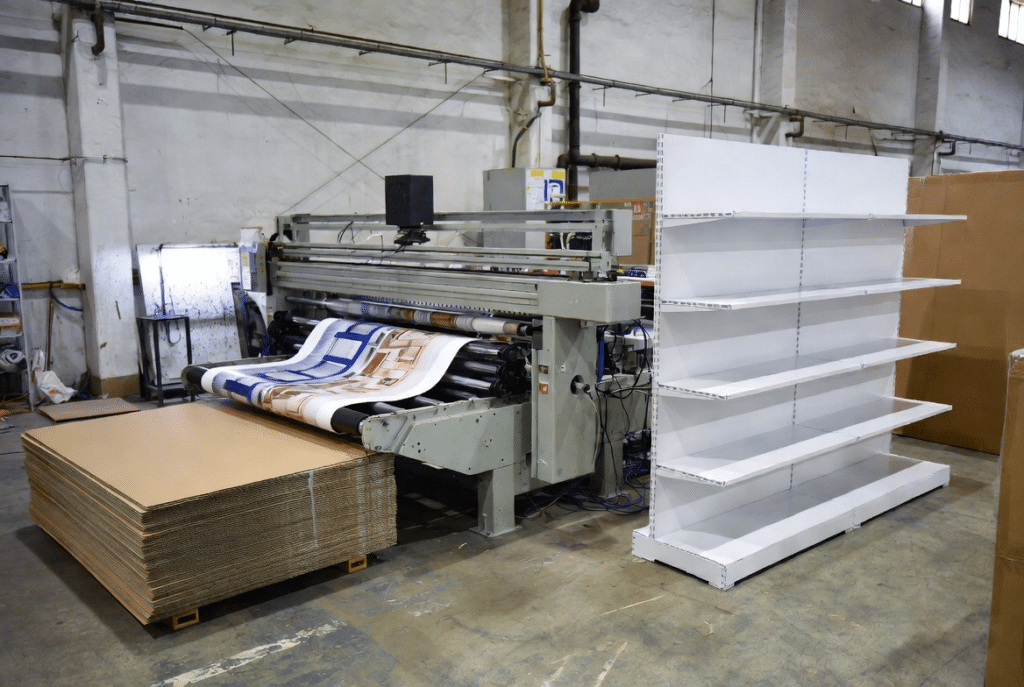
Furniture and Display Packaging: Why Heavy-Duty Laminating Machines Are Essential for POP Display Production
Furniture packaging and POP display producers need more than standard carton laminators. This guide explains why large sheets, thick board, graphic registration, pressure control, and downstream converting performance drive the need for heavy-duty laminating machines, and what buyers should verify before selecting equipment for retail displays and large-product packaging.
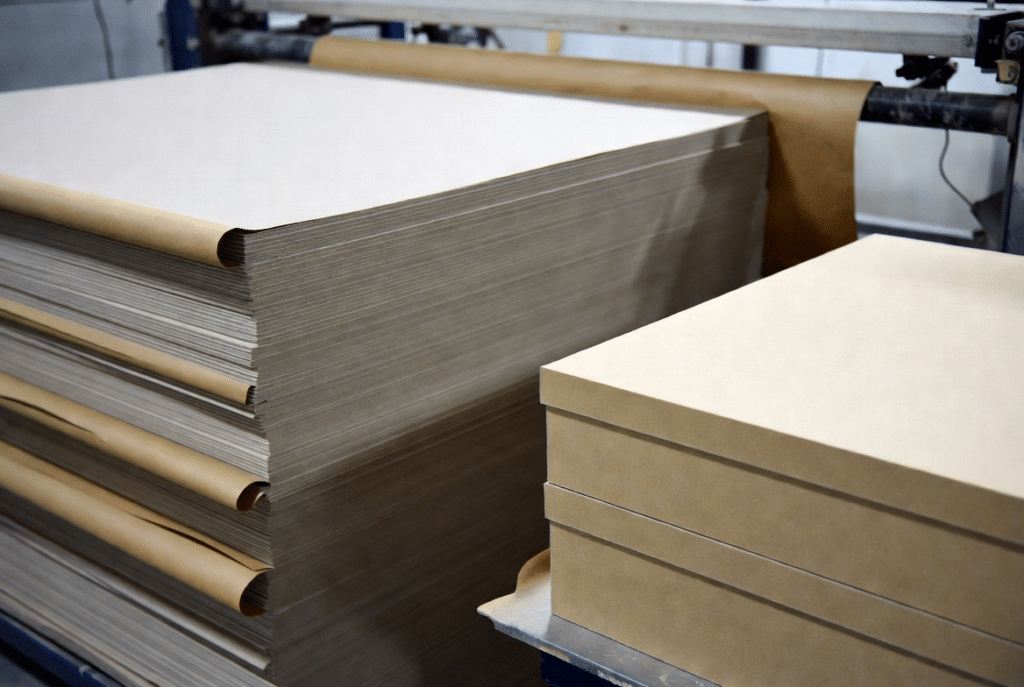
Laminating Solutions for Gift Box and Rigid Box Manufacturing: Specification Differences from Corrugated Lines
Gift-box and rigid-box manufacturers learn why corrugated laminating specifications cannot be transferred directly to dense greyboard and decorative wrap production. The guide covers material structure, feeder behaviour, adhesive control, pressure, registration, surface quality and the full sequence of grooving, wrapping and assembly so buyers can select the right configuration and avoid common production defects.
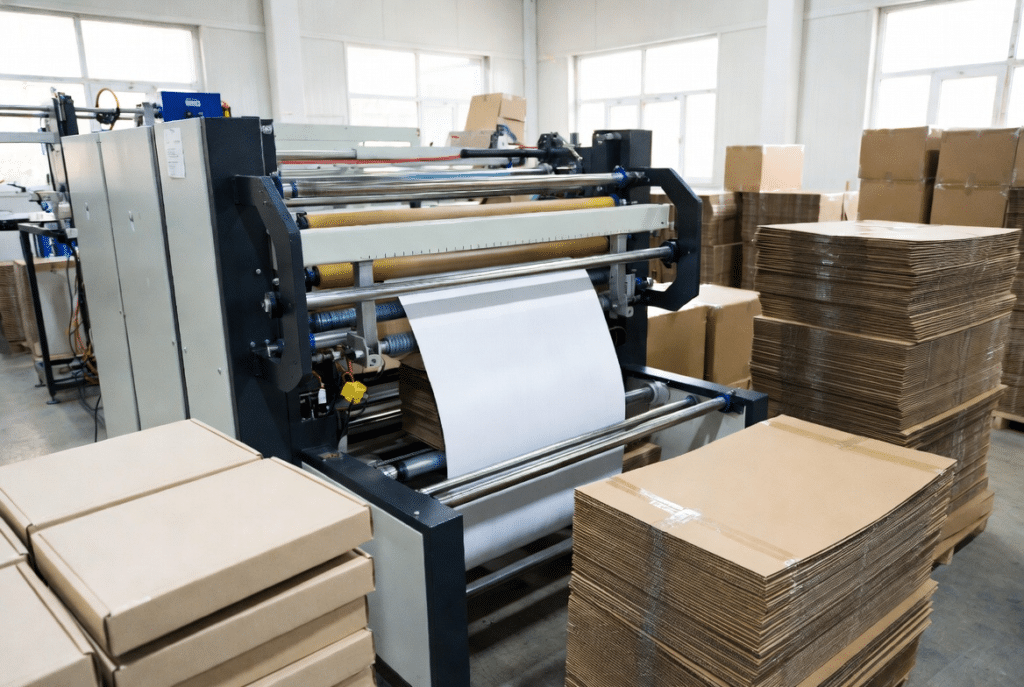
Laminating Machines for E-Commerce Packaging: Meeting the Demand for Printed Mailer Boxes and Retail-Ready Cartons
Packaging plant managers and converters learn how automatic laminating machines produce printed mailer boxes and retail-ready cartons. The guide explains sheet-to-sheet lamination, registration, bonding quality, material choices, common defects and practical selection criteria so buyers can match equipment to real e-commerce and retail packaging demands.