

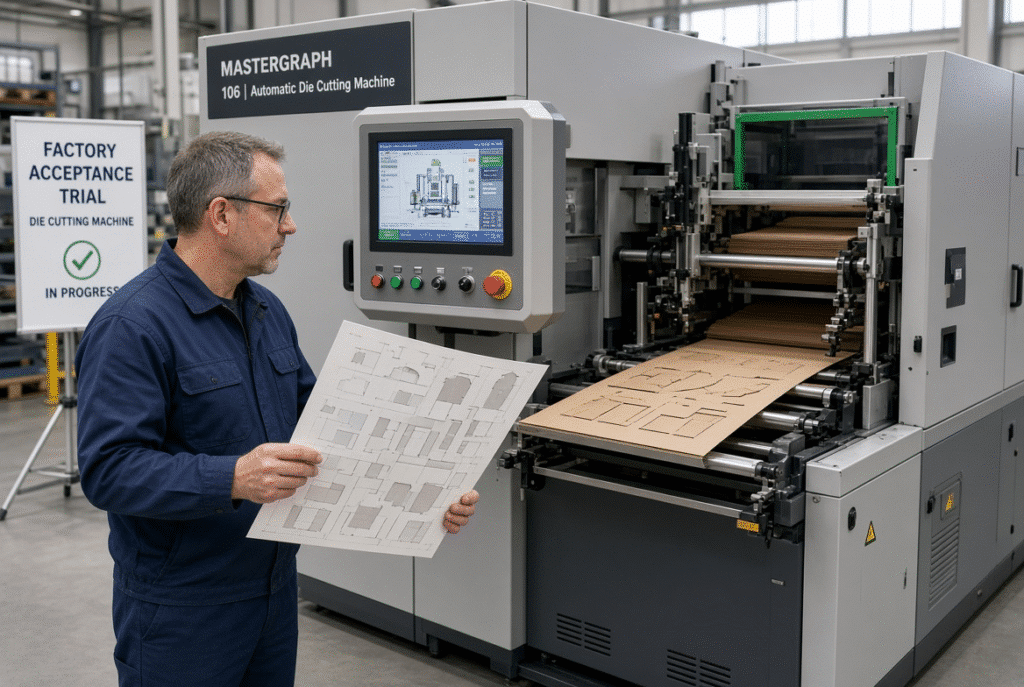
The only way a high-speed flatbed die cutting machine can be a real asset is if it can feed, register, cut, crease and deliver the desired sheets at a steady rate during a complete production shift providing acceptable sheets. Capability rating on the specification sheet, maximum sheets per hour, is a rating based on certain conditions. Does not necessarily mean stable, saleable printed, laminated or slightly warped paperboard with multi-up carton layout.
Production stability is realized through the synchronized action of the frame, pressure bearing system, feeder, gripper transport, intermittent mechanism, transmission, lubrication, tooling condition, material consistency and the operator’s set up. A slower machine that is still in registration, cuts good, and has low waste, has been shown to generate more usable cartons than a faster machine that stops frequently, or generates rejects. Plants with just gross cycles are likely to overestimate capacity and underestimate downtime and scrap.
What Does High-Speed Flatbed Die Cutting Mean in Packaging Production?
The flat-bed die cutting is done by intermittent press-cutting instead of rotary cutting. The sheets are fed, registered, pressed and transferred in a timed sequence and delivered. As the operation speeds up, each stage should maintain the same time. Separation of sheets becomes inconsistent and registration starts to drift, delivery stacking starts to go down, the entire line has to slow down to preserve quality.
The maximum speed is the highest speed that a machine can reach in optimum conditions. The highest running speed at which a particular job can be run at without unacceptable feeding, print to die registration, cut and crease quality, delivery stack condition and waste rate is termed sustainable running speed. The output in usable sheets per hour (sheets that pass inspection and are delivered to the folder-gluer) not gross machine cycles.
Rated Speed vs Sustainable Running Speed
It is very possible that a machine setting the maximum can be achieved on flat, clean, uncoated paperboard with a single die pattern. This machine may operate slower when it is used with laminated sheets that curl, with dense pharmaceutical cartons or with material that needs to be checked regularly. The correct speed is the speed that will keep product quality and planned output for the entire shift and not for a few minutes of the motor’s maximum speed.
Gross Sheets Per Hour vs Accepted Sheets Per Hour
Factories that monitor only gross sheets per hour do not get in touch with feeder stops, miscounted sheets, incomplete cuts, delivery damage or cartons that are rejected in folding. More realistic measures of actual capacity are accepted-sheet per hour, scrap rate, average changeover time, and finished-stack quality. A machine with high gross numbers, but with high waste is not going to increase plant throughput.
Why Flatbed Machines Need Synchronised Intermittent Motion
Sheet transfer, gripper movement, front and side registration, press timing and delivery need to remain synchronized with one another. If one stage is unstable at a higher speed, the other stages can’t “catch up. This is a system level requirement: Mechanical design, alignment and maintenance are more important than one motor-power claim.
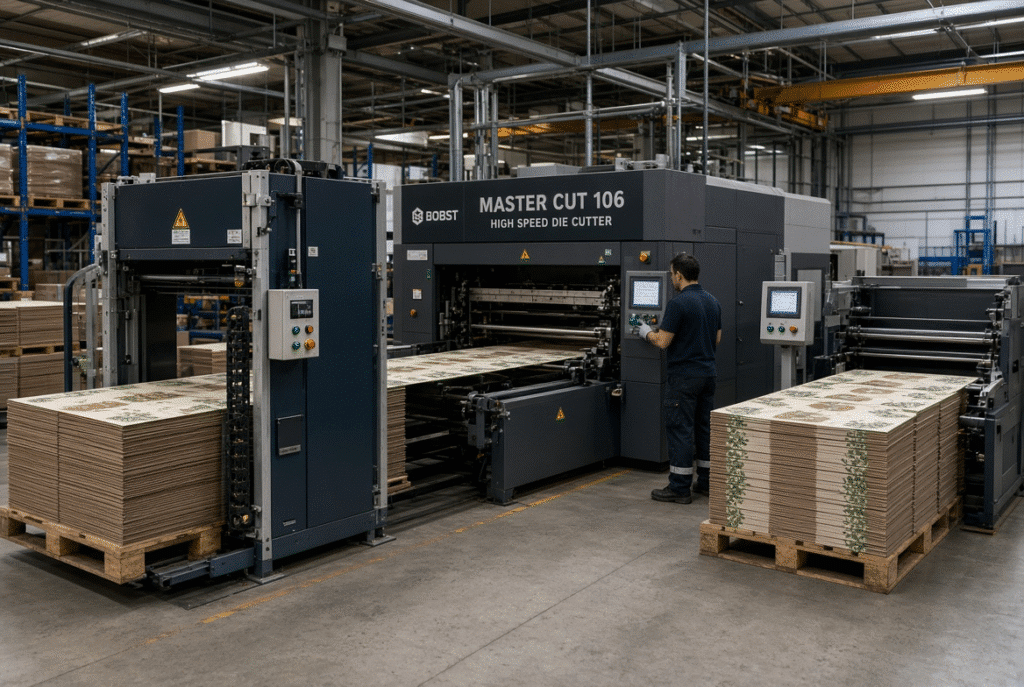
Frame Rigidity and Press Stability Under Repeated High-Speed Loads
The cyclic loading occurs in the frame, platen, pressure bearing parts and tooling interface due to repeated press strokes. To achieve stable high-speed operation, these loads must be controlled and alignment and pressure distribution are kept the same throughout the die area. Several factors can affect the machine’s behavior during continuous production cycles: structural geometry, material selection, casting quality or fabrication quality, machining accuracy and load-path design.
How Frame Deflection Can Affect Production Stability
Small structural movement under load can change pressure distribution, tooling contact, and repeatability. Plants may then see uneven cutting, inconsistent creasing, extra make-ready adjustments, or premature tooling wear. Frame deflection is only one possible cause; die condition, cutting-plate packing, material thickness variation, and press setup can produce similar symptoms. Systematic diagnosis is required rather than assuming the frame is always at fault.
Pressure-Bearing Components and the Load Path
Pressure distribution, tooling contact and repeatability can be altered due to small structural movement under load. This will then result in an uneven cutting, an inconsistent creasing, additional make ready adjustments, or early tool wear in plants. There are other causes of similar symptoms, such as frame deflection, die condition, packing in cutting plate, thickness variation of material, and press setup. There is a need for systematic diagnosis, not taking the frame for granted.
Vibration, Noise, and Long-Run Repeatability
Excessive vibration, increasing temperature, varying sound characteristics or slow deterioration in quality over a long period of run-up time are indicative of bearings, transmission alignment, lubrication, tooling, or material handling problems. The more rapid the cycle rate, the earlier these problems will manifest themselves. When symptoms occur, the operator should document the job, material batch, speed, die condition and machine status to help identify mechanical issues that could arise in the future that are not related to the job.
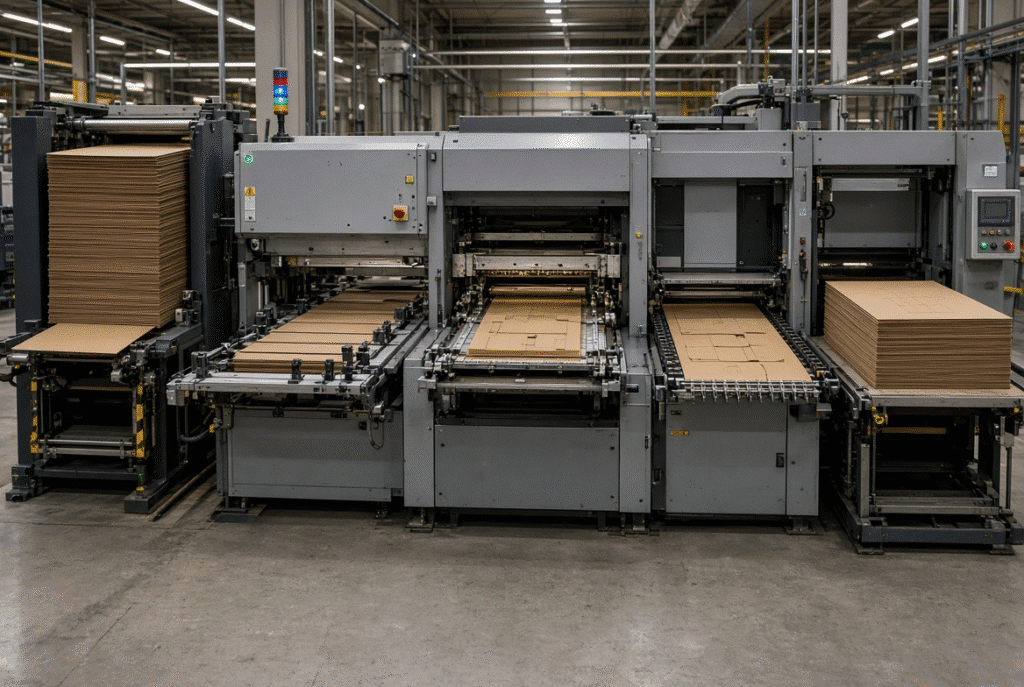
Feeder and Sheet-Handling Design Determine Whether Speed Is Usable
Real production speed is often the determining factor in the feeder. Quality isn’t maintained if sheets double-feed, miss-feed, skew, curl, or come late at the front lay. Printed paperboard, coated paperboard stock, laminated sheets, thin printed paper, heavy board and slightly warped paper will need specific handling adjustments for printing.
Sheet Separation, Suction, and Feeder Adjustment
Separation and advancement of sheets are achieved by suction cups, AIR SEPARATION, feeder-head height, sheet support, transport belts, paper wheels, brush wheels and anti-double-sheet sensor. There is no feeder that will solve all material-related issues. Stable running depends on the matching settings with the current sheet condition. Printed sheets that roll well might not roll well post lamination, storage or humidity changes. When purchasing an auger feeder it is important to consider its adjustability and operator mobility during machine trials.
Front and Side Registration at Higher Production Speeds
All the sheets need to be in the same orientation relative to the die-cutting stroke. Print-to-die alignment is influenced by front lays, side lays, pull-push gauges, sensors and gripper control. High speed registration also relies on the printed sheet quality, edge quality, curl, static, sheet squareness, and the quality of the sheet in the die. Actual printed packaging tests are the best way to test performance.
Gripper Transport and Sheet Control Through the Press
Upon arrival in the machine, the sheet is controlled by gripping bars and intermittent movement of the machine throughout the press and to delivery. Gripper timing does not change, which helps to prevent damage to the sheet or shifting during transfer. In a trial buyers should look at sheet position, edge condition, transfer smoothness and repeatability from one sheet to the next.
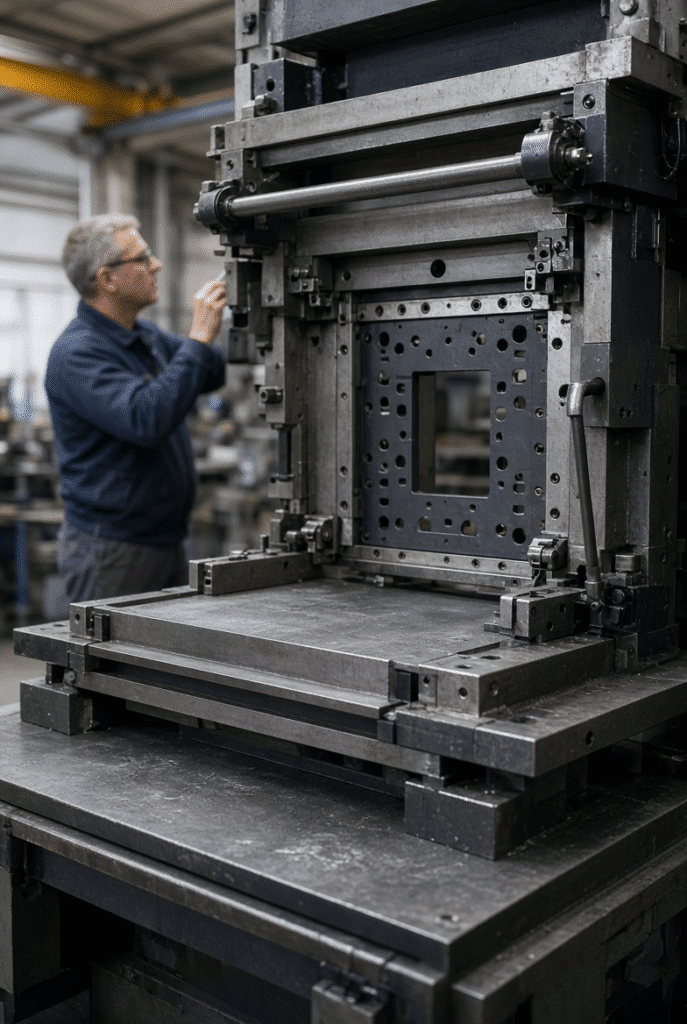
Transmission, Intermittent Mechanism, and Lubrication Support Stable Operation
For stable high-speed die cutting, controlled mechanical motion is required. Each of the main drive mechanism, intermittent mechanism, bearings, chains, gears, lubrication system and cooling helps to ensure repeatable timing and less wear during continuous cycling.
The Role of the Main Drive and Intermittent Mechanism
The main drive and intermittent mechanism synchronously control the press cycle and the movement of the sheet. The delivery, die cutting, registration, feeding, and sheet transfer time should be stable. It is important that those purchasing the parts ask the appropriate questions about the machining process, assembly controls, transmission inspection procedures, and recommended operating and maintenance advice—then look at the brand names in conjunction with the answers to those questions.
Bearings, Chains, Gears, and Motion Consistency
Noise, vibration, timing and sheet handling are all impacted by wear, misalignment, insufficient lubrication or contamination. The minor problem could be overlooked in a short demonstration while it can make a big difference when multiple shifts are involved in production. Some useful points to consider are the access required for inspection, recommended service intervals, and availability of key spares.
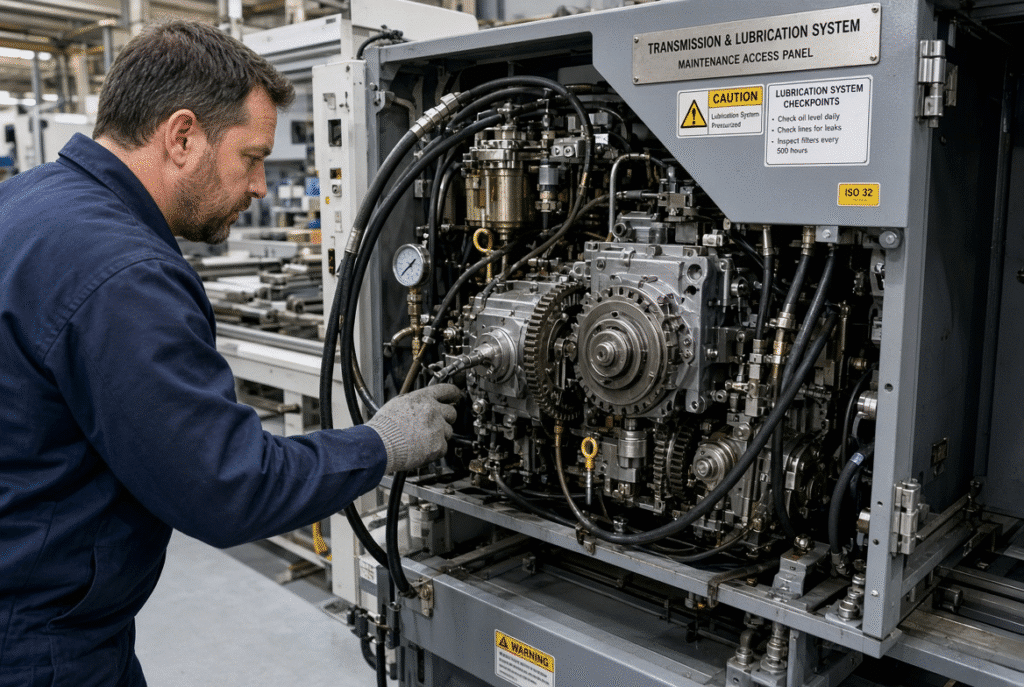
Automatic Lubrication, Cooling, and Preventive Maintenance
Controlled lubrication ensures the protection of moving units and reduces excessive wear. Automatic lubrication or oil monitoring systems aid in maintenance but are not substitutes for manual inspection. A good preventive-maintenance plan involves checking the lubrication, cleaning, checking the fastenings, monitoring the bearings, checking the chain and gears, reviewing the pressure system, performing die maintenance, and maintaining accurate records.
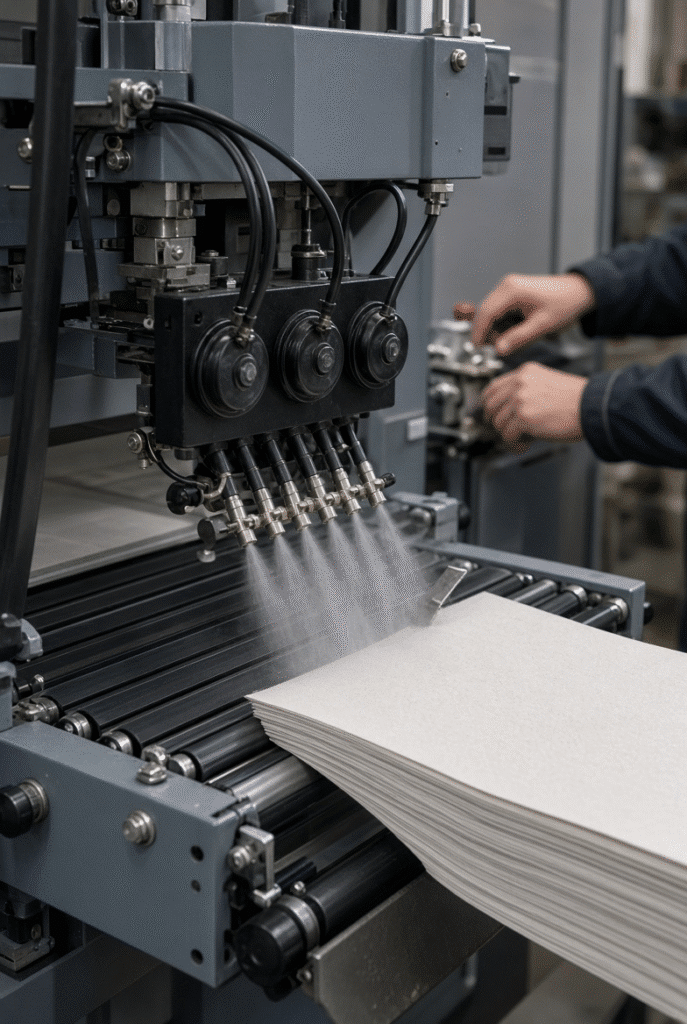
Die Layout, Tooling, and Material Quality Can Limit High-Speed Output
Many factors affect feeding, registration, cutting pressure, creasing and delivery stacking including the variation in board thickness, curl, moisture change, surface coating, lamination, static, dust and printing coverage. Different batches or storage conditions can result in different material grades. Process variables are separated from machine-related issues through incoming-sheet inspection, process control in storage and by documentation of material-related issues.
Complex Die Layouts Create More Demanding Press Conditions
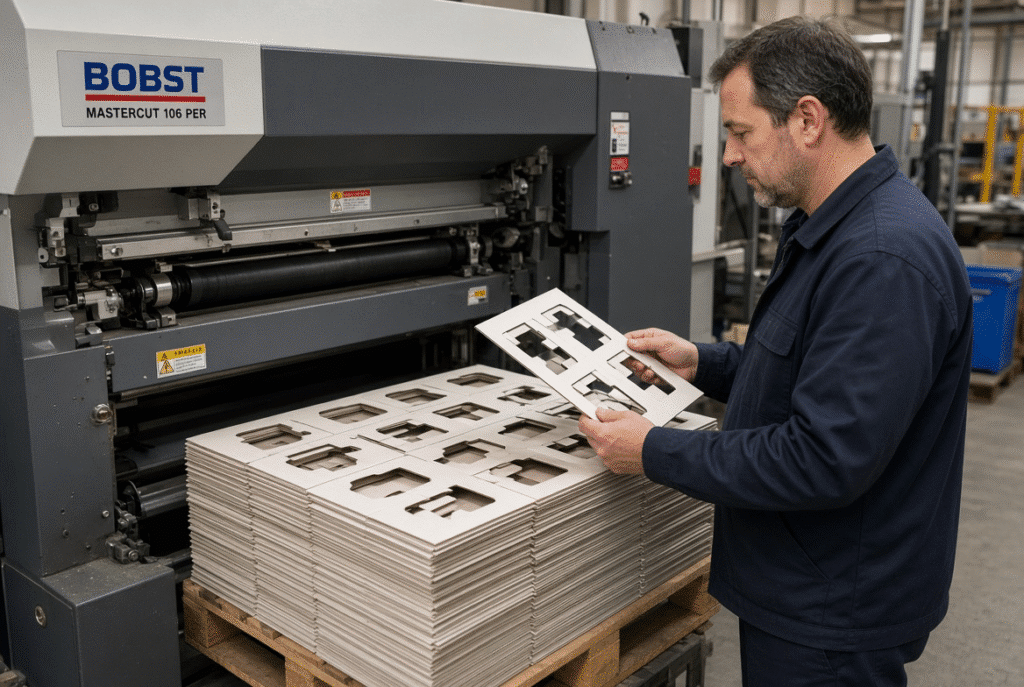
Long cutting-rule length, multi up layouts, windows, small details, perforations, multiple crease lines and complex waste pattern all increase your die resistance and need careful set up. A simple large carton outline might be able to be handled at a higher speed than a sheet that is filled with small pharmaceutical cartons, fine perforations and tight crease tolerances. The max speed figure can not be used without taking into account the actual die layout.
Material Condition Affects Feeding and Cutting Stability
Board thickness variation, curl, warp, moisture change, surface coating, lamination, static, dust, and printing coverage all influence feeding, registration, cutting pressure, creasing, and delivery stacking. The same material grade can behave differently from one batch or storage condition to another. Incoming-sheet inspection, controlled storage, and documentation of material-related problems help separate process variables from machine faults.
Tooling Condition and Make-Ready Affect Sustainable Speed
Dull cutting rules, worn creasing rule, damaged ejection rubber, packing unevenly, worn cutting plates or incomplete make-ready lead to the formation of defects that aggravate at high cutting speed. Production teams should verify that the cuts are clean, quality of the crease, regs, waste release, and stack delivery are perfect before escalating production speeds.
Delivery and Quality Monitoring Prevent High-Speed Waste From Accumulating
When dealing with high-speed production that requires a stable quality, early detection of quality drift is necessary so that large amounts of sheets are not affected. Operators can easily check sheet condition, registration and visible defects during delivery at the delivery section.
Finished-Stack Control and Delivery Stability
When delivering sheets they should be in an orderly state. Bad stacking can cause edges to be damaged, scuffing, problems with inspection or problems with stripping, folding-gluing or packing downstream. While testing the piles in a trial, the buyer should inspect the pile alignment, sheet orientation, edge condition and operator access at different pile heights.
Non-Stop Sampling and In-Process Inspection
During production, operators can easily access samples to recognize cutting, creasing, print to die registration, and material issues in the early stage. Quality Control – non-stop sampling or other safe inspection methods supplement planned inspection frequency, but should not be used in place of it, or of a clear response process in the event of a defect occurring.
Use Production Data to Set Realistic Speed Standards
Job-specific data that should be recorded for plants are material type, sheet size, die layout, starting speed, stable speed, accepted output, scrap, feeder stops, adjustment time, defects, and maintenance observations. This record is more useful than any generic “maximum speed” claim over time, and can be used to inform scheduling, training and investment decisions.

How Buyers Should Evaluate High-Speed Stability Before Purchasing
High speed capability should be assessed based on evidence, trials, and based on application discussions rather than claims in a brochure or brief videos of perfect stock.
Request a Trial With Representative Material and Die Layout
Suitable trial includes actual or closely representative printed sheets, board grade, thickness, coating/lamination, die layout and carton-quality requirements. The momentary speed should not be the only criterion for observation, because there are other factors such as feeder stability, registration, quality of cutting and creasing, waste release, sustainable speed, stacking for delivery and the need for operator adjustment.
Ask for Stable-Output Evidence, Not Only Maximum-Speed Claims
Suppliers have to be able to talk about expected speeds for similar work and why speeds are restricted. Numbers without supporting test videos, production references, sample results, and maintenance guidance, based on material, format, and die complexity are less important.
Review Service, Maintenance, and Spare-Parts Readiness
Service support is key to long-term stability. It is advisable for buyers to ask for lubrication schedules, maintenance schedules, recommended start up spares, operating manuals, electrical drawings and terms of engineer support. Having clear documentation and practical help minimises the downtime if there is a breakdown in normal usage or setup.
Practical Checklist for Evaluating High-Speed Flatbed Die Cutting Stability
| Evaluation Area | What to Check | Why It Matters for Stable Production |
| Maximum speed claim | Material, sheet size, die layout, and conditions that support the stated speed | Separates nameplate capability from job-specific operating output |
| Frame and press structure | Frame design, pressure-bearing components, platen support, machining, assembly evidence | Supports controlled force delivery and repeatable press behavior |
| Feeder system | Sheet separation, suction adjustment, anti-double-feed protection, support, transport | Determines whether sheets can reach the press consistently at speed |
| Registration system | Front lay, side lay, sensors, gripper control, adjustment access | Supports print-to-die alignment and reduces reject risk |
| Transmission system | Drive, intermittent mechanism, bearings, chains, gears, lubrication access | Influences timing, motion consistency, wear, and long-run stability |
| Tooling and make-ready | Die quality, cutting plate, packing, creasing matrix, ejection rubber, setup procedure | Directly affects cut quality, crease quality, and sustainable running rate |
| Material compatibility | Board thickness, curl, warp, coating, lamination, static, print coverage, sheet condition | Determines real feeder, registration, and die-cutting behavior |
| Delivery system | Stack control, pile lifting, sample access, anti-backflow features, sheet protection | Helps maintain output quality and identify defects early |
| Maintenance readiness | Lubrication plan, inspection points, spare parts, manuals, training | Supports consistent performance over repeated shifts |
| Trial evidence | Representative stock, relevant die layout, documented output, waste, defects | Provides realistic evidence before investment |
Ensure that the same checklist is used for all shortlisted machines. The key comparison is not between the speed of the machines, but between the design, configuration, testing history and support documentation of the machines to run the actual packaging jobs of the plant consistently.
Final Guidance: Stable Output Is the Real Meaning of High-Speed Die Cutting
High speed flatbed die cutting is a system outcome. The rigid frame, press mechanism, feeder, registration, gripper transport, transmission, lubrication, tooling, material preparation, delivery and maintenance should be coordinated. Evaluate a machine by what is accepted as output, a stable quality, low waste and minimal downtime rather than by its highest mark of sheets-per-hour.
The best investment is one that is a setup that is identical to the factory’s recurring materials, layouts of the dies, volume, quality, operator skills and service environment. For an automatic 1060 format machine, like the D1060S, you should take as a capability figure the stated maximum working speed of 6,500 sheets per hour, maximum working pressure of up to 300 tons and the accuracy of die cutting of ±0.1 mm, but recognize that these are only valid when the material, die and operating conditions are suitable.
Please provide DAIS with your sheet size, material type, thickness, printing/lamination condition, die layout, required output, expected shift pattern, and destination country for a technical recommendation for an automatic flatbed die cutting machine configuration.
Send DAIS your sheet size, material type, thickness, printing or lamination condition, die layout, required output, expected shift pattern, and destination country for a technical recommendation on a suitable automatic flatbed die cutting machine configuration.