

Paper cutting technology is no longer just about speed, but about intelligence through integration of automation, connectivity, precision, and production intelligence.
Automation and smart factories are driving the rapid evolution of paper cutting technology. The pressure on manufacturers to do more with less waste, downtime and people is greater than ever. Automation and smart manufacturing tackle these challenges by offering a response beyond speed, enabling smart systems. People are often mistaken in thinking the innovation in paper cutting is primarily in cutting speed. Yet the greatest advances today are in automation, connectivity, precision intelligence and integrated production systems.
The next big thing in paper cutting technology is intelligent, connected, data-driven systems to enhance productivity, precision and agility.
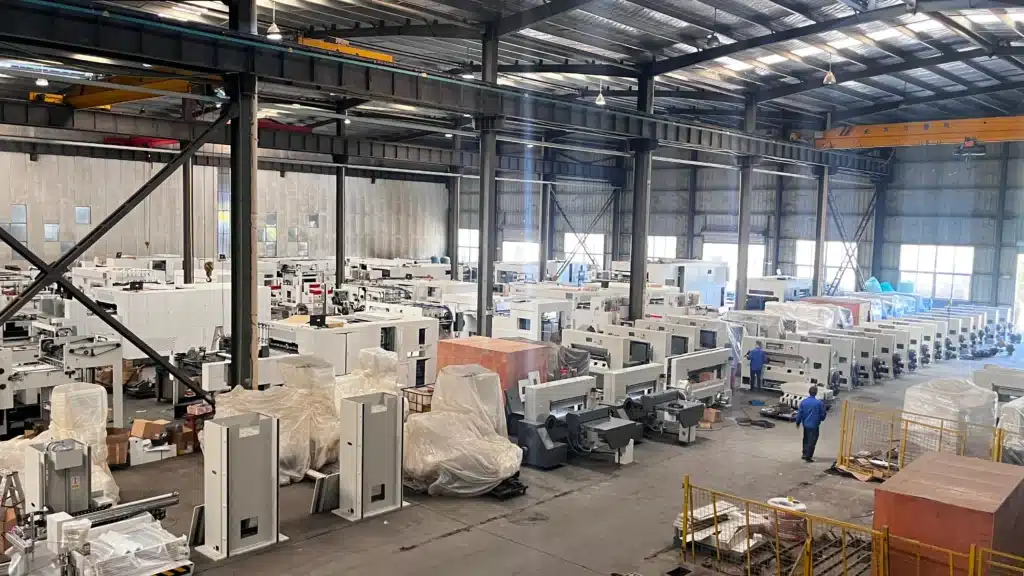
Why Paper Cutting Technology Is Evolving Beyond Traditional Machinery
Today’s paper cutting machinery must do more than just operate efficiently. There are a number of industry forces driving the move to next-generation technology.
The emergence of global skills shortages in operators has made it harder to make manual adjustments and provide oversight. Meanwhile, consumers are driving for reduced lead times, precision tolerances and defect-free production. Increasing material costs and environmental goals also demand energy-efficient operation with little waste. The digital revolution in the printing and packaging industry has also brought with it a demand for machines that talk, learn and adapt.
| Industry Driver | Impact on Technology Development |
| Productivity pressure | More automation and faster changeovers |
| Labor shortages | Smarter systems with reduced operator input |
| Precision demands | Advanced controls and servo technology |
| Digital manufacturing | Connected equipment and data exchange |
| Efficiency goals | Intelligent optimization and waste reduction |
These are why smart factories are no longer judging paper cutting machines solely on their cutting speed or lifespan, but also on their compatibility with digital systems.
Automation Is Transforming Modern Paper Cutting Machines
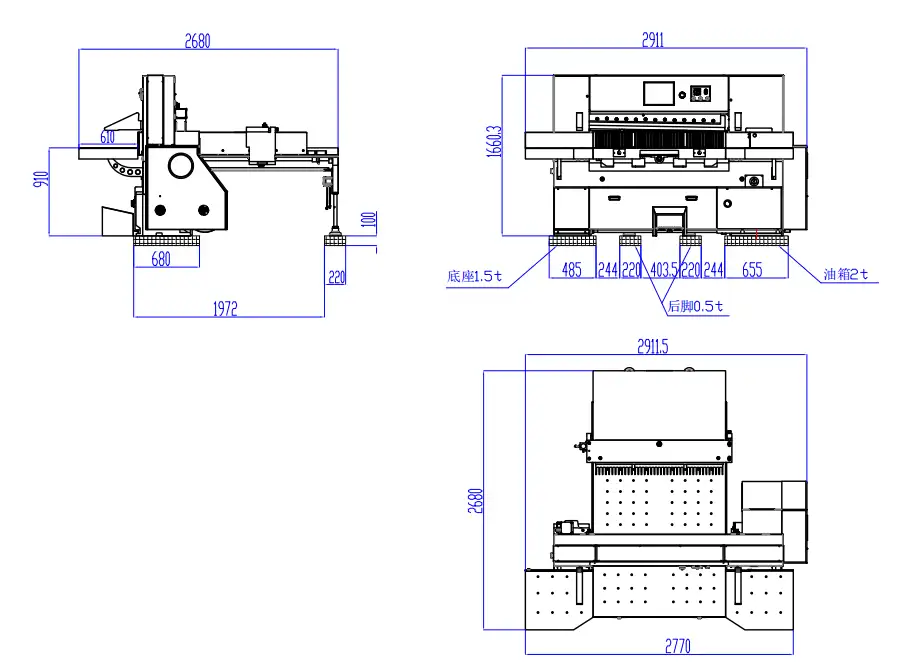
Automation has become integral to today’s paper cutting machines. Today’s systems perform intricate tasks with little operator involvement, and deliver high precision over extended runs.
Automated paper cutters now have servo-powered back gauges, auto-positioning and loading/unloading. Integration with printing presses and finishing lines ensures smooth workflow. Machine operators transition roles from manual labour to overseeing and quality control.
| Aspect | Traditional Machines | Automated Systems |
| Adjustments | Manual | Automated control |
| Operation | Isolated | Integrated workflow |
| Operator Role | Operator-dependent | Process-driven |
| Optimization | Limited | Intelligent automation |
Paper cutting automation delivers more than just cost savings on labor. It enhances quality, eliminates human error, reduces changeover times and allows round-the-clock production with consistent quality. This translates into improved overall equipment effectiveness (OEE) and return on investment.
Smart Factory Integration Is Reshaping Paper Cutting Operations
Smart factory integration links paper cutters to the broader production environment via secure networks and protocols. Instead of being merely “black boxes”, machines are now visible and responsive elements of a coordinated manufacturing system.
Data transparency enables production managers to track job status, material consumption and machine conditions across the plant. Process coordination resolves bottlenecks between printing, cutting, creasing and packaging. Managers have reliable data to make decisions rather than lagging reports.
| Smart Factory Capability | Production Benefit |
| Machine connectivity | Workflow coordination |
| Data monitoring | Better decisions |
| Integrated systems | Higher efficiency |
| Digital production control | Process optimization |
This integration is a transformative step in capacity and job scheduling in printing and packaging, and in meeting customer demands.
Emerging Technologies Shaping the Future of Paper Cutting
A number of mature and fast-evolving technologies are coming together to transform paper cutting technologies.
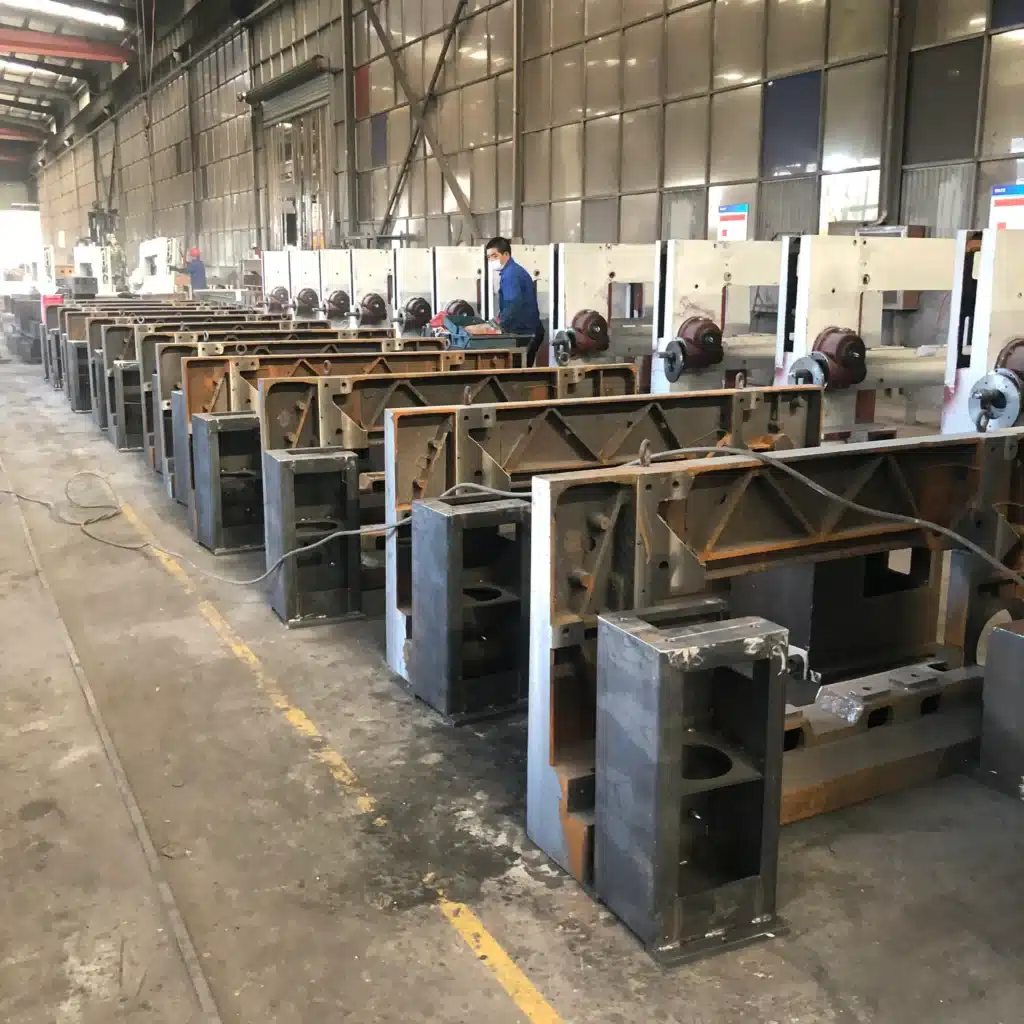
Servo-Driven Precision Automation
High-speed cutters now use servo motors and motion control systems instead of traditional drives. They achieve improved accuracy, acceleration, and consistency at higher feed rates. Fabricators gain tighter part tolerances on intricate designs and less waste.
AI and Intelligent Control Systems
Intelligent control systems are now powered by artificial intelligence to make real-time adjustments to the cutting process based on material type, cutter health and cutting details. Smart paper cutting solutions use data to learn production characteristics and recommend optimisations that a human operator may not consider.
Predictive Maintenance Technologies
Equipment is fitted with sensors that measure vibration, temperature, pressure and other factors. Data analytics forecast when components will wear out so that maintenance can be scheduled for planned shutdowns rather than unplanned outages.
IoT-Connected Equipment
IoT connectivity transforms machines into sensors that provide data to dashboards and enterprise systems. Real-time alarms and trends are displayed for operators and managers to initiate continuous improvement programs.
Energy-Efficient Cutting Systems
Evolved machines feature variable-frequency drives, efficient hydraulics and smarter power control. This will cut energy use without sacrificing cutting performance, making it easier for factories to achieve sustainability ratings.
| Technology Trend | Potential Impact |
| Servo automation | Precision gains |
| AI controls | Smarter operation |
| Predictive maintenance | Reduced downtime |
| IoT connectivity | Data visibility |
| Energy efficiency | Lower operating cost |
How Smart Technologies Improve Productivity and Precision
Smart technologies boost productivity and accuracy. Smart optimisation algorithms automatically adjust process parameters to optimise productivity. In-line monitoring flags changes instantly and predictive corrections ensure tight tolerances despite changing material properties.
| Smart Capability | Performance Benefit |
| Automated optimization | Higher efficiency |
| Real-time monitoring | Better consistency |
| Predictive adjustments | Precision improvement |
| Data-driven control | Process stability |
These gains add up, and represent a competitive advantage for early adopters.
Predictive Maintenance May Become a Major Competitive Advantage
Current fixed-time maintenance can lead to over-maintenance or “surprise” equipment failures. Predictive maintenance, using sensors and analytics, moves to condition-based maintenance only when needed.
| Traditional Maintenance | Predictive Maintenance |
| Scheduled servicing | Condition-based servicing |
| Reactive repairs | Early intervention |
| Higher downtime risk | Better uptime |
In high-volume packaging, even small gains in unplanned downtime reduction can add up to big savings and better on-time delivery.
How Automation and Smart Factories May Change Machine Buying Decisions
Buyers’ checklists now include future-proofing features. Machine buyers are increasingly interested in connectivity, automation and data capabilities.
| Buying Consideration | Future Relevance |
| Connectivity | High |
| Automation scalability | High |
| Smart controls | Growing |
| Data capabilities | Increasing importance |
Purchasers that think about technology roadmaps and not just the present specifications are more likely to be ready for the next decade of manufacturing.
Challenges and Limits of Smart Paper Cutting Technologies
While offering advantages, smart technologies pose challenges that must be considered.
Increased upfront costs mean a thorough economic analysis is needed, particularly for small businesses. Integration with the existing system can be complex and may require a staggered approach. A lack of technical expertise among employees may require training and/or hiring. Organizational change management is also needed for technology acceptance.
| Challenge | Why It Matters |
| Higher investment | ROI evaluation |
| Integration complexity | Implementation planning |
| Skills gap | Workforce readiness |
| Technology adoption | Change management |
Weighing up these factors helps set appropriate expectations and minimise disruption.
What Paper Cutting Technology May Look Like in the Next 5–10 Years
Over the next ten years, we can expect paper cutting technologies to be more autonomous, offering self-optimising cycles and fully integrated with smart factory systems. Digital twins will enable simulation of new jobs prior to production. Environmental concerns will spur new advances in energy and material consumption reductions.
| Future Direction | Likely Impact |
| Autonomous systems | Higher efficiency |
| Self-optimization | Better productivity |
| Digital twins | Smarter planning |
| Green technologies | Sustainable operations |
These technologies will allow smart cutting systems to become mainstream.
Common Misconceptions About Smart Factory Trends
There are a number of misconceptions in the industry:
- Smart factories are only relevant to large-scale productions
- Automation only replaces labor
- AI in equipment is hype
- Old machinery is a thing of the past
- Smart machines always operate efficiently
In reality, there are solutions for factories of all sizes, automation is not a replacement but an extension of human capabilities and outcomes are driven by implementation, not machines.
Conclusion — The Future of Paper Cutting Is Smarter, More Connected and More Adaptive
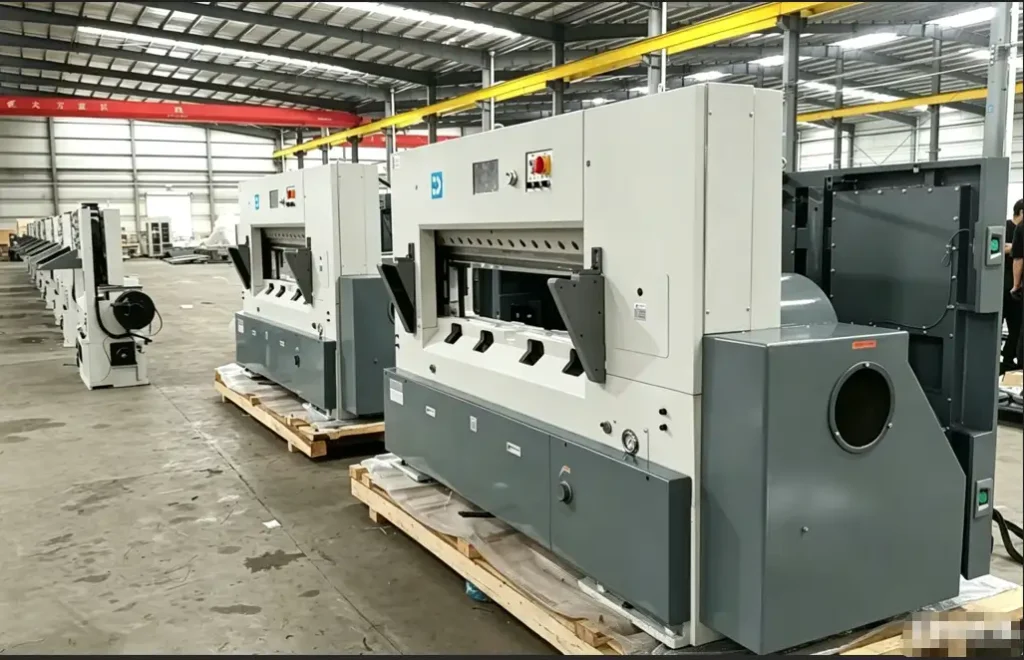
The future of paper cutting will be determined less by individual improvements in machine performance and more by smart automation, connectivity, prediction and flexible smart manufacturing.
Automation and connectivity are increasingly becoming a long-term competitive advantage. Companies that take a “future-proof” approach to equipment investments will have the agility to respond to market needs for faster, higher quality, adaptable and sustainable production.
By investing in smarter, data-driven systems now, the printing and packaging industry can create the sustainable, lean manufacturing environments needed to thrive in an ever-more-challenging global environment.
(Word count: 1,678)