

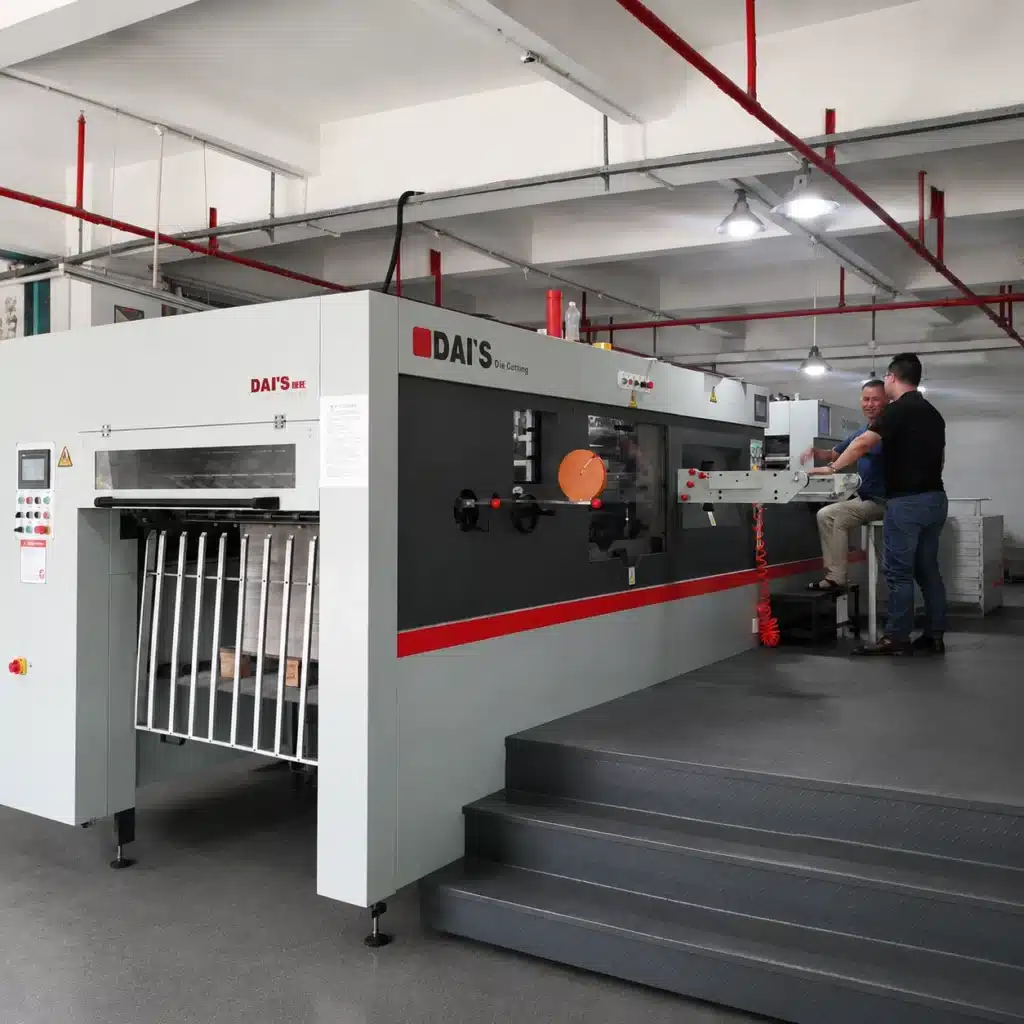
The first page of any quotation is not the price for the semi-automatic die cutting machine. That figure is influenced by machine format, working pressure, frame construction, feeding and delivery systems, level of automation, tooling, shipping terms and after-sales support for packaging plants. Two machines with practically the same maximum sheets can have vastly different total investments, due to the fact that one may have a heavier pressure-bearing frame, tighter registration control, or a more complete installation package. Purchasing buyers who only consider the base machine price will find that freight, foundation and dies & operator training costs can alter the true cost of placing the machine into production.
What Is Included in a Semi-Automatic Die Cutting Machine?
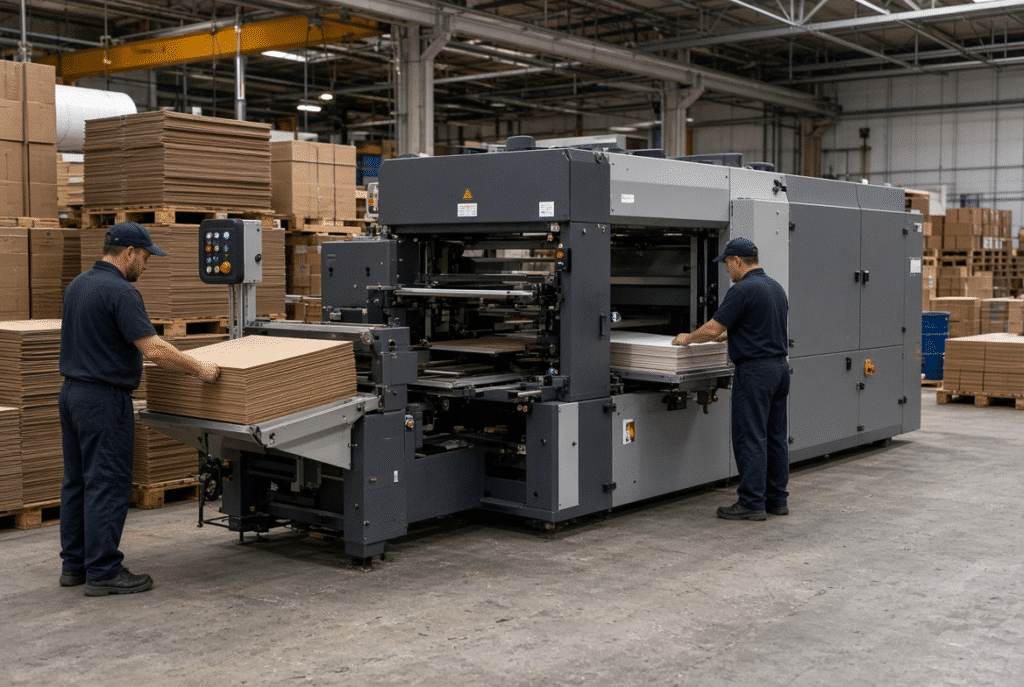
Semi-automatic flatbed die cutting machine, also known as a semi-automatic platen die cutter or sheet-fed die cutting and creasing machine, is a machine that can be used for sheet feeding, die cutting and creasing under high pressure, and output of the finished product. Labor is still more or less involved in pile preparation, die changes and some sheet monitoring – between the purely manual platen press and the fully automated line with continuous feeding and stripping.
The suppliers have slightly different meanings for terms such as semi-automatic, flatbed die cutter and platen die cutting machine. It’s the actual set-up that counts – how the sheet is fed, how pressure is applied, how the finished sheets are taken off, which functions are standard and which optional, etc.
The Base Machine Versus the Complete Production Investment
This base-machine price is typically the cost of the press, basic controls and standard accessories. Typically does not entail export packing, ocean freight, insurance, customs clearance, unloading, foundation preparation, on-site installation, commissioning, operator training, or product-specific dies or a start-up spare-parts kit.
Once everything is back on the board, it may prove to be the more costly of two choices. Ask for an itemized quote with a breakdown of normal, optional and excluded fees. It is not until then that two offers can be evaluated equally.
Why Similar Machine Formats Can Have Different Prices
While maximum sheet size is a good starting point, it is not a full comparison. Machines with the same nominal format have different frame rigidity, pressure capacity, transmission design, feeder stability, registration accuracy, and safety systems and component quality.
The more that a plant goes on heavy board with more than one shift, the greater the structural stiffness and pressure distribution required than a converter for light board in short batches. Those disparities manifest in uptime, die life, and in the number of usable sheets per shift.
The Main Equipment Factors That Determine Price
The majority of the quote variance is based on machine level selections. Fit capacity and capabilities to production requirements, not simply purchase unused capacity or an underspecified press.
Machine Format and Sheet Size
The larger the maximum sheet size, the larger the platen, the longer the gripper bars, the wider frame and the larger delivery section will be. That adds to the material price, machine weight and floor space usage.
Clearly differentiate between the max sheet and the max die-cutting size. Confirm Minimum Sheet Size and Gripper Margin also. The values determine if the machine will be able to process the actual plant product layouts without excessive waste or registration issues.
Working Pressure and Pressure-Bearing Structure
Platen, crankshaft, transmission and main frame are impacted by higher max working pressures. It is a good choice for thicker board or complex die, but it also increases the machine weight, power consumption and foundation requirements.
The DAIS D1060 1,060 mm semi-automatic flatbed die cutter is specified at a max work pressure of 300 tons. However, it is not just pressure capacity that is important for cut quality; the rigidity of the pressure-bearing structure and the uniformity of the pressure distribution are also important.
Frame Material and Mechanical Construction
Structural deflection, vibration or loading imbalance will manifest themselves early in a high-pressure platen machine as an inconsistent cutting depth, weak creasing or short die life. The ductile-iron pressure-bearing parts and an intermittent drive design ensure stability under repeated loading. Quality of construction does not manifest itself in a single sample cut, but over months, years of production.
Feeding, Registration and Delivery Systems
The effects of sheet separation, front and side gauges, gripper bars, photo-electric detection and delivery control affect price and daily performance. The cost of scrap and downtime due to skewed sheets, missed feeds, registration drift and uneven delivery piles exceeds the benefit of the better system. Purchase functions to address the actual plant bottlenecks.
Automation Level and Optional Functions
Semi-automatic machines require more operator effort than continuous feeding, non-stop delivery or integral stripper automatic machines. Increasing automation increases the initial cost of the product, but can decrease labor and net output on long runs. If the job is mixed or has only a few operators left, a well-defined semi-automatic machine may still be the option of choice.
Electrical, Pneumatic and Control Configuration
Final quotation is influenced by PLC, Frequency Converters, Sensors, Safety Circuits and Local Voltage/frequency requirements. Ensure that the entire electrical and pneumatic list is known, the control language and compliance requirements before the order is placed. Losses that are found after the goods are shipped cause delays and additional expenses.
Tooling and Production-Readiness Costs
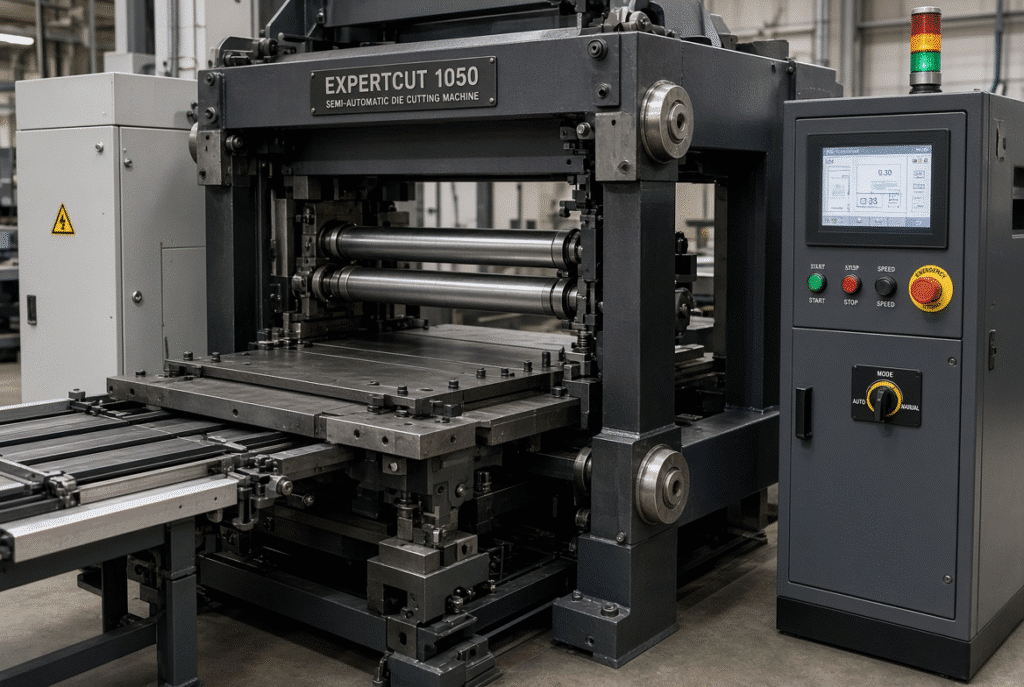
This machine cannot create finished cartons. Before the production of saleable work can be achieved, the plant must have some tooling, make-ready and training, as well as initial spares.
Steel Rule Dies, Creasing Tools and Die Boards
Product design, sheet format, board type and complexity of layout affect the cost of a tool. The majority of quotations include the basic die frame and steel plate, which are required for the product. Plan for these from the beginning of the project.
Make-Ready and Changeover Requirements
Make-ready includes the installation, pressure setting, registering adjustment and first sheet approval. Changeover time is more critical for plants that have many short jobs than for plants that have long jobs repeated. Adjustment systems that make a machine change jobs quickly may warrant a higher machine cost if they lower waste and labor required for frequent jobs changes.
Installation, Commissioning and Operator Training
Factory testing is not a substitute for installation and commissioning. Define if foundation checks, die installation, pressure calibration, training and acceptance testing will be handled by the supplier. Clear service terms minimise the risk of a machine being kept idle whilst the plant attempts to bring it on line.
Accessories, Spare Parts and Consumables
There are differences in quotations as one supplier has more of the following: Die Frames, Gripper Parts, Lubrication Parts, Electrical Spares etc. Ask for the list of all kit items and a suggested first Year Spare Parts kit, then add it all up to see what the actual total cost will be.
Shipping and Landed Costs for International Buyers
The factory quotation represents the first step. International buyers are responsible for packing, freight, insurance, destination charges, local installation and unloading.
EXW, FOB, CIF and Other Quotation Terms
FOB includes delivery to the loading port. In the case of CIF, the freight and insurance are included to the destination port. It’s impossible to compare these terms directly without normalizing the shipping scope. Ensure that the inland transport, export clearance, ocean transport, insurance and final delivery are all handled by the same party.
Export Packing, Machine Weight and Container Handling
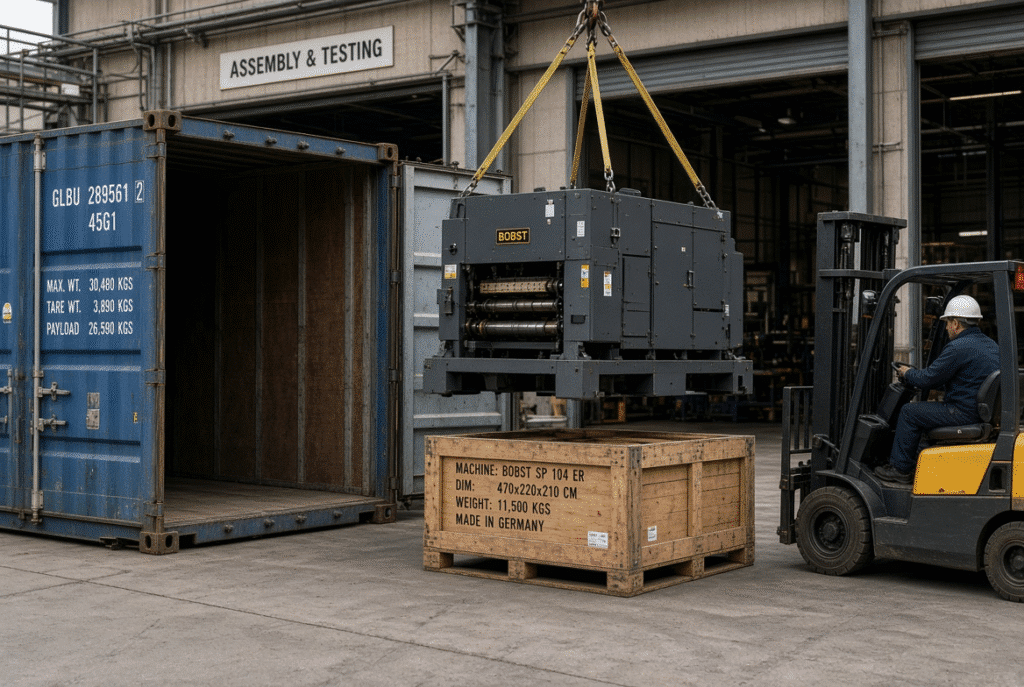
Packing method, container type and lifting requirements dependent on machine weight and dimensions. The DAIS D1060 has a weight of about 14mt. Ensure final packed size and weight is confirmed prior to transport, to ensure appropriate cranes or forklift are available at destination site.
Foundation, Floor Loading and Installation Space
The requirement is only half satisfied with the machine footprint. Prior to shipping, the following should be reviewed against the supplier’s installation drawing: Floor loading capacity, Foundation design, Access routes, Service clearance and safe operator space. One of the main causes of project delays and additional expenses is unexpected civil work.
Overseas Engineer and Technical Service Costs
Installation or subsequent troubleshooting on site, travel and accommodation are frequently charged in addition to the engineering time. The terms of the contract should record what is considered standard commissioning and what is considered extra service.
Total Cost of Ownership Beyond the Purchase Price
The lowest initial quote doesn’t always equal the lowest cost per finished sheet. Labor, tooling, waste, maintenance, energy, downtime and service all contribute to the real economics.
Labor and Manual Handling
Even semi-automatic machines require operators for feeding, pile changes, die changes, inspection and waste handling. If the price of the lower machine is higher, then the operating cost of the machine is higher.
Rated Speed Versus Finished Output
Not all of the output is catalogue speed. All of the following increase the number of sheets not sold per hour: Setup time, Die complexity, Board quality, Inspection stops and Pile changes. Request an honest production trial with the plant’s own product and design.
Maintenance and Spare-Parts Costs
Long term cost is impacted by routine lubrication, gripper maintenance, bearings, pneumatic components and pressure system checks. Availability of spare parts and technical services response time will impact the speed of production restart after a stoppage.
Energy and Plant Infrastructure
In contrast to actual energy usage under normal duty cycles, main motor power and total connected load are different. Before placing an order, verify the electrical supply, compressed-air demand and other plant facilities.
How to Compare Die Cutting Machine Quotations
Compare quotations line by line rather than ranking them by the headline machine price.
Create a Like-for-Like Specification Sheet
Maximum and minimum sheet size, maximum die-cutting size, minimum gripper margin, maximum working pressure, rated and expected stable speed, material range, feeding and delivery configuration, automation level, electric standard, machine weight and size, included tooling and accessories, installation and training scope, warranty, spare-parts terms and Incoterms.
When the scope is the same, there are many price differentials that reduce or disappear.
Separate Standard, Optional and Excluded Items
Indicate standard, optional or excluded lines. This ensures that the buyer can’t choose a machine that has a feature that is not in the quoted price.
Compare Technical Fit, Not Just Price
If it cannot register on the board required for a plant or it cannot produce consistent output with the variety of jobs the plant might use, then the cheap machine is the expensive machine. An over-specified machine is a capital asset that is locked in and cannot be used for other production processes. Correlate the machine with the material, sheet size, die complexity, batch size, shift pattern and labor availability.
Request a Production Trial or Customer Reference
Deliver representative sheets, drawings, board thickness and output. Assess feeding stability, feed registration, cut quality, creasing, delivery and changeover time – not just the ability to process a single sample. Catalogue statements are less convincing than references from plants that have similar products.
How Packaging Plants Should Prepare a Budget
When you have a clear production brief, you will have more accurate and comparable quotations.
Define the Production Requirement
When you contact suppliers, you should have ready the following information:
normal and maximum sheet size, minimum sheet size, type and thickness of paperboard or corrugate board, product dimensions, die-cutting and creasing requirements, the number of required shifts, how and when waste will be removed, how many operators will be available, local electrical standard, and destination country and/or port.
Estimate Three Levels of Cost
- The price of an existing machine with added standard accessories.
- Delivered and commissioned cost (shipment cost + packing + installation + training + foundation + tooling)
- The annual operating and ownership cost associated with a process is the labour, tooling, maintenance, spares, energy, waste, and downtime costs.
Evaluate the Investment Against Expected Workload
The best machine is the one that is appropriate for the product mix, operator availability, and future plans for automation as well as the expected volume. An illustrative payback calculation can be useful only if all assumptions are clearly stated and identified as examples.
When a Semi-Automatic Die Cutter May Not Be the Right Choice
For large daily volumes and/or very low levels of manual handling, as well as for continuous automatic feeding, a semi-automatic machine might not be the best choice for the plants. If this is the case, a fully automatic configuration should be compared to the same total-cost parameters as the simple machine.
Questions to Ask Before Ordering
When discussing with suppliers it’s important to have this checklist on hand:
- What does the quoted price cover?
- What features do they include and which ones do they not?
- What are the specified maximum and minimum sheet sizes and maximum die cut size?
- What material and thicknesses have been tested with this configuration?
- How fast can we produce our product with our product layout?
- What is the average number of operators needed?
- Includes Die Frames, steel plates and basic accessories?
- What do installation, commissioning and training mean?
- What is covered under the warranty, and what isn’t?
- Where does the spare parts come from and what is a typical lead time?
- Who is responsible for each leg of logistics, and which Incoterms are used?
- What does the base need and the electrical work?
- Is there a production trial or a reference of similar work that can be arranged?
For every question, there is a probability that the cost is not found once the order is placed.
Final Guidance: Compare the Complete Production Solution
The price of a semi-automatic die cutting machine is dependent on the machine configuration and all items necessary to operate the machine in the Buyer’s plant in a dependable fashion. Look at the technical fit, delivered cost, labour, tooling, usable output, machine maintenance, spare parts and installation and service—not just the machine cost.
Planning to invest in a semi-automatic die cutting machine? Please provide your sheet size, board type, board thickness, production goal, automation needs and destination to DAIS. Our team can be consulted on the necessary configuration and a quotation can be prepared according to your application.