

Being a machinery expert and working over twenty years to assist printing and packaging plants to install modernized finishing equipment, I have witnessed how hot foil stamping machines have turned common products into high quality standout products. Hot foil stamping is the finishing process, which transfers metallic designs on surfaces, using heat, pressure and metallic foil to produce reflective designs on surfaces, producing eye-catching metallic effects without ink. It is commonly used in printing and packaging as it can be used to make objects such as boxes, labels, and cards luxurious and sophisticated.
The best features are the high quality of the metallic look, which raises branding, resistance to scratches and fading, and the compatibility with any type of materials. The heating plate, metal die, foil feeding system and pressure mechanism are the main heatings of a hot foil stamping machine. When you are venturing into foil stamping printing or a metallic stamping machine, it is important to know these few basics so that you may take advantage of the foil stamping process to make your products worth more. On the one hand, factories that have embraced this immediately experience perceived quality upgrades and it is a sure-footed strategy in high-end markets.
I will use actual installations that I have managed during the course of this guide to demonstrate the pros and cons so that you can decide whether to invest in a hot foil stamping machine or not.
What Is Hot Foil Stamping?
Hot foil stamping can be described as a dry printing in which heat, pressure and dwell time is used to transfer pigment or metallic layers on a substrate using a foil film. The foil transfer process consists of the carrier film shedding its coating in controlled circumstances which bind it permanently to the material.
The method is based on the use of metal die to design, honeycomb plates to create even heat distribution and stamping plates to mount the die. It does not use ink unlike digital printing, which is why it is best used to create metallic or holographic effects that inks cannot achieve. My fieldwork has reduced the definition of hot foil stamping to precision engineering that transforms flat prints into tactile and lavish finishes.
How a Hot Foil Stamping Machine Works
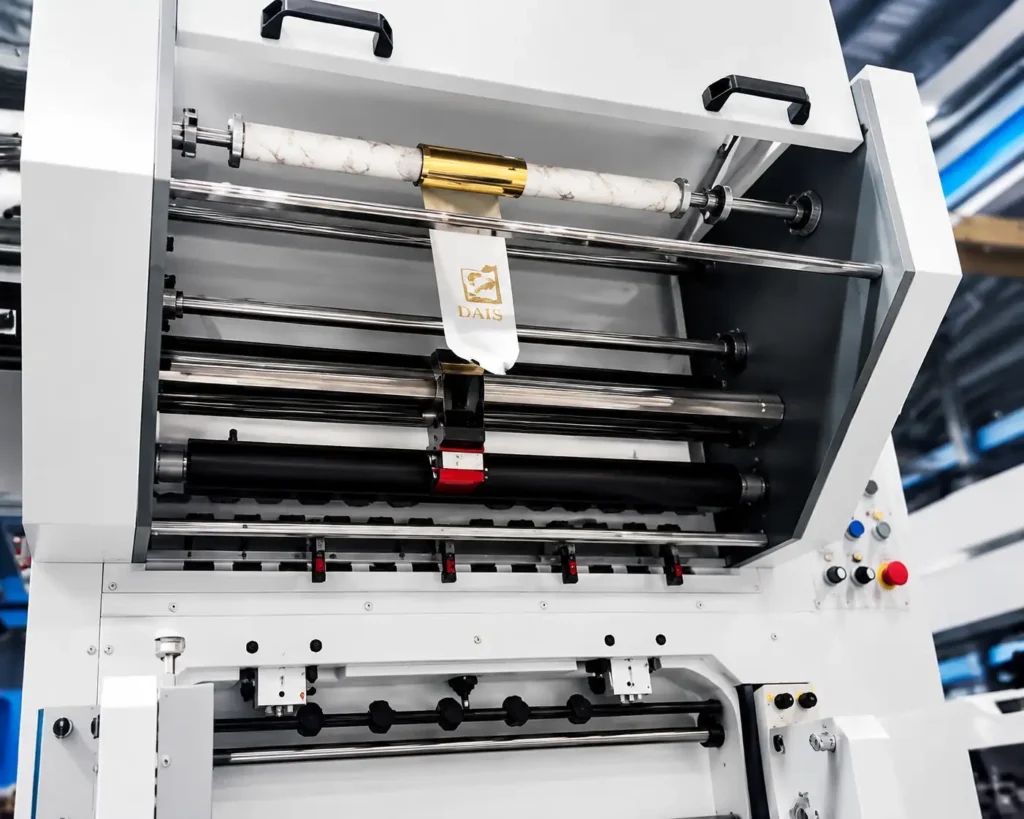
Foil stamping process is systematic thus the results are consistent. Here’s a breakdown:
Step 1: Foil feeding- Foil roll is unwound by the machine, over the substrate on automated or manual feeders.
Step 2: Heating the stamping plate: The heating plate is heated to foil stamping temperature (100-150 o C), which heats up the die to activate the adhesive layer of the foil.
Step 3: Die pressing upon material – Foil stamping pressure (to several tons) Die contacts the foil and substrate and dwell time (0.5-2 seconds) permits transfer.
Step 4: Foil transfer and bonding – The release layer is melted by heat, and the pressure is applied to bond the metallic coating to the surface forming the design.
Step 5: Unwinding and removal of waste- Foil rewound and ejection of the stamped part is done, to be used again in the next run.
The impact of pressure, temperature and time on stamping quality: Low pressure results in incomplete transfers; high temperature may scorch materials; low dwell time results in poor adhesion. In arrangements to which I have adjusted these, e.g. 120 C with 1 ton pressure in paper, the edges are perfect and sharp.
Types of Hot Foil Stamping Machines
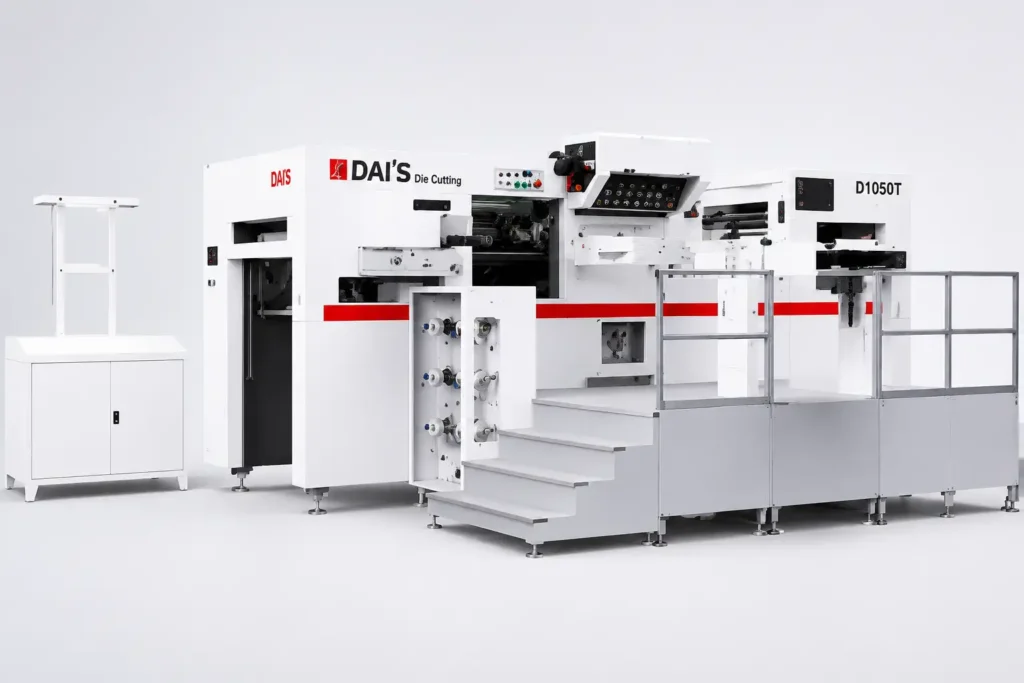
The selection of the type of hot foil stamping machines is dependent on your scale. Key variants include:
Platen hot foil stamping machine – A vertical pressure flatbed press, recommended when short production runs are required and to be used on sheets not less than 1100mm.
Hydraulic foil stamping machine -Uses fluid pressure to provide greater, uniform pressure, which is best on a heavier material such as leather.
Auto-foil stamping machine – It has an auto-feeding and registration, which is applicable in high volume production to minimize labor.
Roll-to-roll foil stamping system -Continuous processing of labels or films, has the advantage of being fast.
Large-format foil stamping machines Custom made – Large foil stamping machines are specifically designed to handle large items, such as 1600mm machines to be used in large packaging.
Differences: Pressure can be either manual (low) or hydraulic (high); volume production is automatics (thousand per hour); material compatibility is platens (differentiated substrate); level of automation is increased efficiency in automatics. In the case of automatic foil stamping, I have advised them to be used in factories that are rampaging between prototypes and mass production.
Key Components of a Hot Foil Stamping Machine
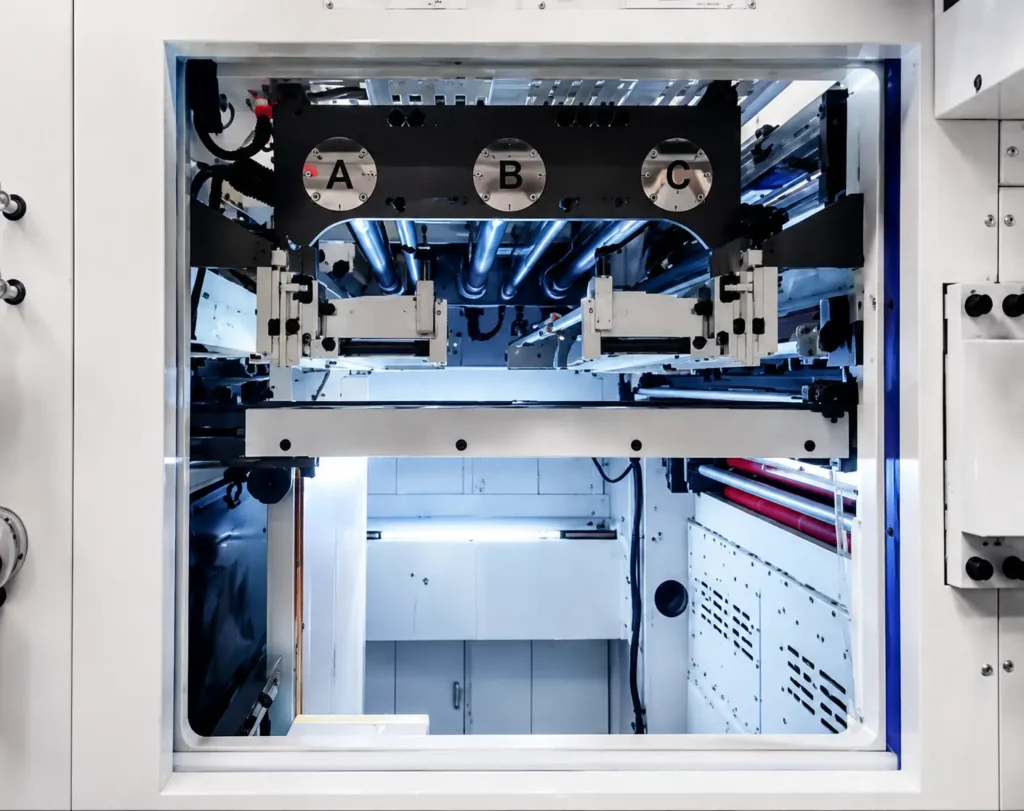
The quality foil stamping machine parts make a reliable machine. Major foil stamping part components are:
Heating plate / honeycomb plate – Evenly distributes the heat, honeycomb patterns do not allow hotspots.
Foil feeding system -The tension and alignment are controlled to prevent wrinkles.
Pressure system Hydraulic or pneumatic to provide even pressure.
Registration system – Provides accurate die-substrate alignment.
Touch-screen controls – To make up of temperature and speed and job setups easy.
The changes in my installations have made an impact, as the defects in the installations have been reduced by 30 percent by upgrading them to honeycomb plates.
Materials Suitable for Foil Stamping
Foil stamping material should be able to resist heat and pressure. Ordinary substrates used in hot foil stamping are:
Paperboard – For sturdy boxes.
Coated paper – Refines invitations.
Corrugated board– Provides a decorative element to packaging.
Leather -To use premium bags or books.
Plastic sheets (PVC, PET) – Strong enough to use as labels.
Book covers- Develops beautiful finishes.
Labels & tags Metallic branding accents.
Experience has shown that compatibility such as PVC at lower temperatures does not allow it to melt or not adhere.
Benefits of Hot Foil Stamping
It is indispensable due to the foil stamping advantages:
High end metallic look– Faked gold/silver to look luxurious.
Good gloss and reflectiveness – Refracts light, attracts attention.
Durability and resistance to scratches – Not worn out when handled.
Environmental (no ink needed) -Lessens volatile substances.
Brand improvement- Increases perceived value.
Wear all day Fade resistant and smudge free.
Embossing/debossing compatible- gives texture to add depth.
These benefits of hot foil stamping in the case of client projects have enhanced sales as they bring to the focus of the products in shelves.
Common Applications of Hot Foil Stamping
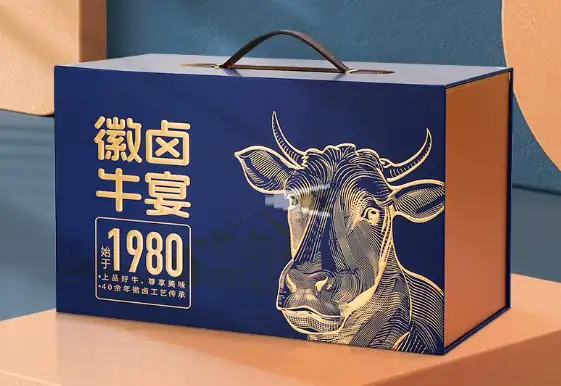
The use of foil stamping is applied in industries:
Luxury packaging –To high end cosmetics or electronic products.
Cosmetic boxes – Metallic logos to be posh.
Wine and spirit labels – Foil accents of high feel.
Gift boxes – Glowing details to be attractive.
Business cards – Business metal touches.
Book covers -Ornamental titles.
High-end packaging retailing – Brand differentiation.
Invitations and certificates – formal, glittering decorations.
In the case of printed packaging foil stamping, it has made ordinary cartons valuable stuff.
Buying Factors + Expert Recommendation
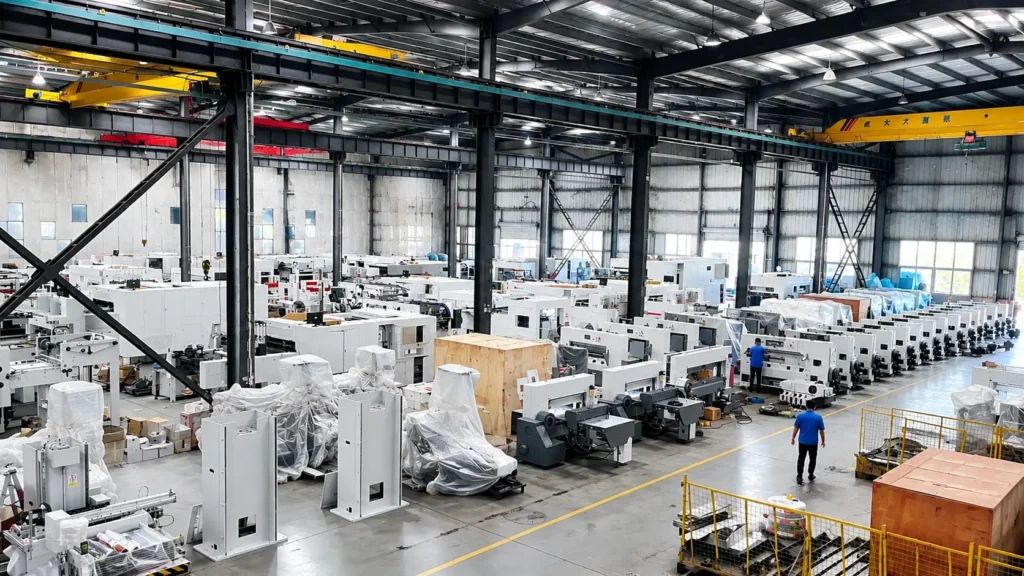
During selection, one should consider such buying factors:
Stamping pressure needed – Check to material thickness.
Maximum sheet size – E.g. 930mm standard, 1500mm large.
Type of material- Make sure it is compatible with foils and substrates.
Foil compatibility variety Support – Metallic, holographic, pigmented.
Level of automation- Small op- Manual, Volume- Automatic.
Heating system (honeycomb plate/solid plate) Honeycomb, evenness.
Die type compatibility Versatile magnesium/brass.
Volume of production– High-speed of thousands per day.
Budget and ROI- Entry: 20,000, ROI: 1-2 years through the premium pricing.
After sales services- training, parts and service.
Use this checklist:
- Evaluate daily volume (low: manual; high: automatic).
- size of model fit measures.
- Test materials for adhesion.
- Check pressure/heat ranges.
- Consider automation to save labor.
- Put safety such as guards, sensors first.
- Factor budget of long-term costs.
- Confirm the availability of support.
A good quality hot foil stamping machine must provide stable heat, uniform pressure, and excellent registration to create high quality metals finish finishes on high quality printing and packaging. In my advisory capacity, dwell on established brands in terms of trustworthiness- it is an investment that will be deemed in terms of brand equity.