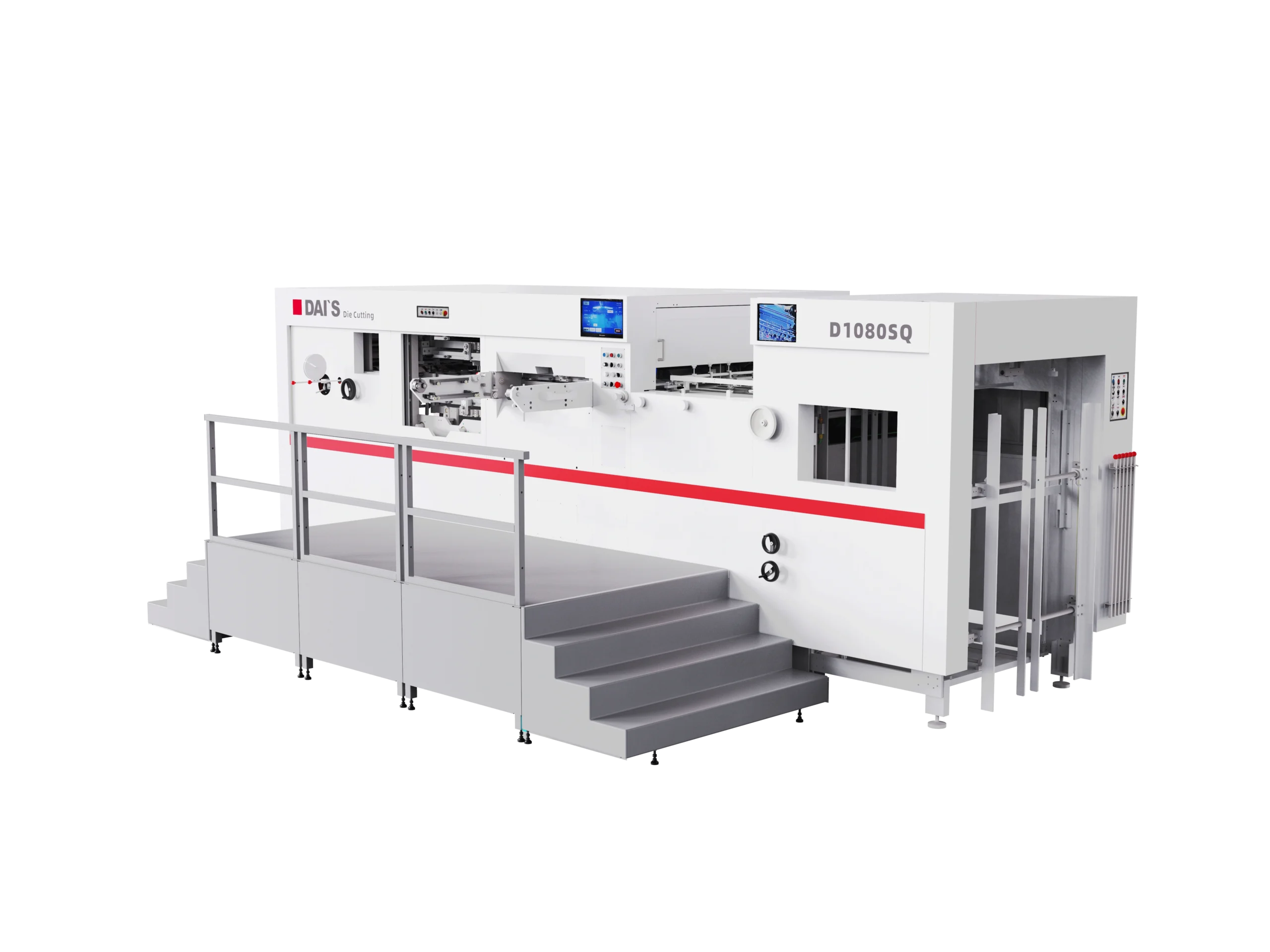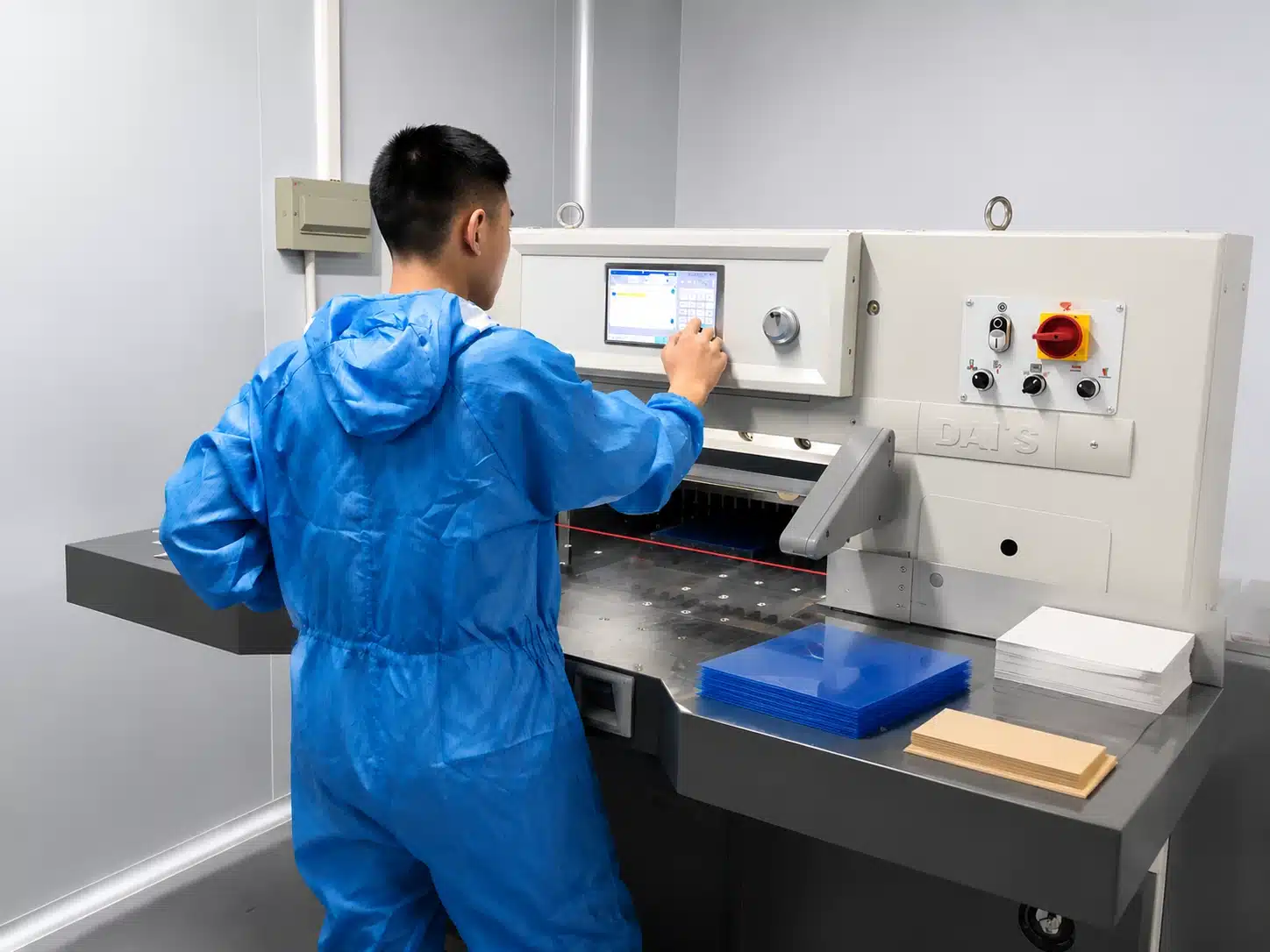
Die cutting accuracy is the key to the successful process in the highly dynamic landscape of the printing and packaging processes. A single mm of cuts is enough to cause misaligning folds, cut edges, and rejects products- immediately hiking up the waste levels and eating up margins. The wastes of die cutting is not all about saving materials but it is also about improving the overall efficiency, quality of products as well as the competition in the industries such as packaging, labels as well as cartons. Since I have to deal with high-speed die-cutting machines in the factories throughout Guangdong, I have witnessed how minor changes can reduce scrap rates by 20-30%.
Pressure settings, die condition, registration accuracy, material stability and operator techniques are the most crucial factors that impact die cutting precision. The precision of die cutting is mostly defined by the pressure settings, the condition of the die, accuracy of registration, stability of the material and the settings of the operators. By emphasizing on these, factories will be able to have cleaner cuts, less defects and reduced wastes. In this guide, we will explore the details of engineering strategy, beginning with the basics and progressing to the sophisticated practices based on the production lines in the real world.

Mastering Cutting Pressure for Optimal Precision
The cut pressure should be controlled precisely because it is one of the fastest methods to enhance die cutting accuracy. Undercutting usually causes partial cuts, the blade does not fully cut into the material and leaves ragged edges that need to be reworked. Conversely, excessive pressure may lead to cracking, crushing and edge damages, particularly on fragile substrates such as thin cardstock or corrugated board. The trick is to maintain the ratio of pressure and the thickness and density of the material- such as more dense materials, such as 500gsm board require more force and lighter papers require delicacy to avoid distortion.
Practically, this is fine-tuned by use pressure gauges or digital settings on modern platen die-cutting machines. Test cuts: Have a small batch run and inspect: look at full production: Make sure that there are clean perforations. Check cutting depth every so often so that it is well balanced throughout the sheet. I have discovered that varying pressure according to material thickness and density, i.e. 200 tons as the starting point with the standard setups and adjusting it a little bit at a time can help minimize defects by almost 15 percent. This pressure control die cutting method has the advantage of increasing accuracy besides reducing wastage due to over-compressed scrap.
Ensuring Die Condition and Maintenance
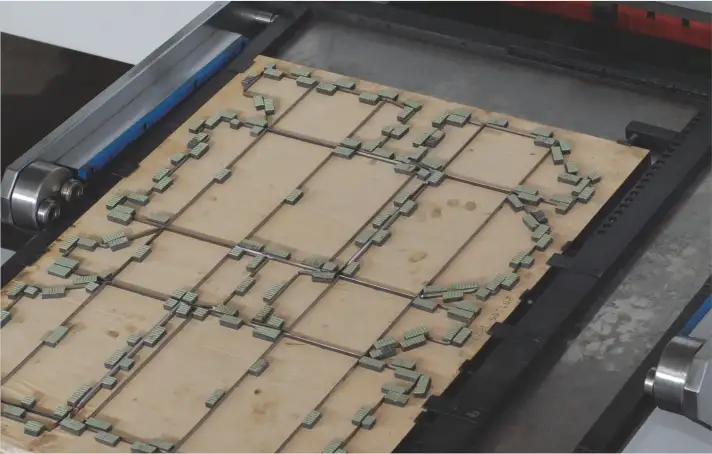
All the pressure tweaking cannot help when your die is in bad condition. Fatigued dies cause a drop in accuracy as the years go by resulting in unpredictable cuts and wastage. Die height stability is important since any slight deviation can result in disproportionate penetration. Broken rules lead to tears and cut edges and good sheets result into rejects.
To contend this, change dull steel rules immediately, usually after 50,000-100,000 impressions, depending on material abrasiveness. Re-surface worn die boards with plywood bases by over-surfacing or replacing, to get flats again. Height Check rule Check rule height is a precision gauge such as feeler gauges or digital calipers to ensure tolerances within 0.01mm. In high-volume factories, regular die maintenance and steel-rule die repair are mandatory; weekly inspection can also increase die life by a quarter and reduce the wastage of defective tools.
Calibrating Cutting Plates and Chases
The essence of accuracy is the main elements of the machine. Thick plates lead to uneven pressure which results in the sheet being cut patchily. Cut lines are distorted by warped chase frames, increasing errors of complex designs. Unless they are properly calibrated, such problems are compounded and result in increased scrap rates.
Accuracy can be enhanced by regular resurfacing – target is to grind plates flat in 10,000 cycles using special equipment. Check the level of precision with the help of laser levels or dial indicators to check the flatteness. Check plates weekly on wear, dents, or corrosion and change those with a deviation greater than 0.05mm. This calibration allows homogeneous distribution of forces, which directly converts to die cutting accuracy and reduction of waste.
Enhancing Registration Accuracy
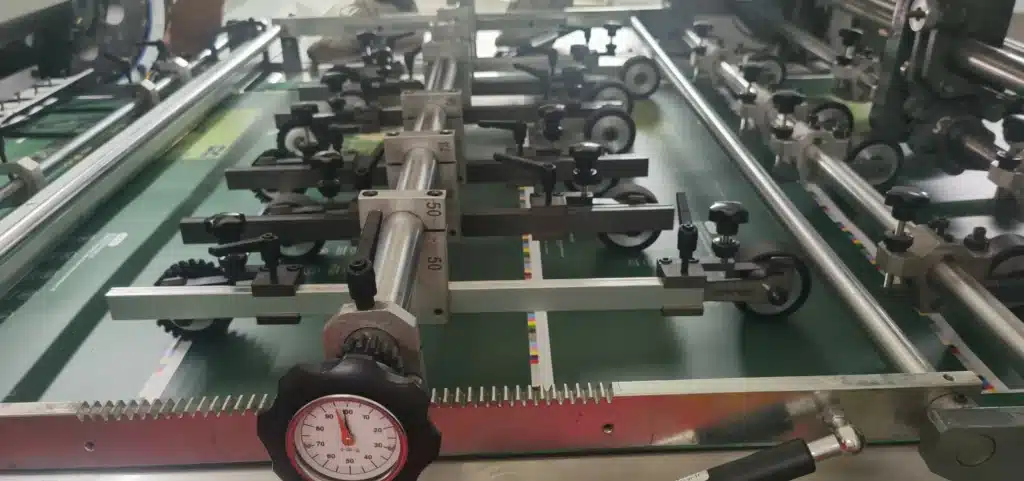
Unregistered is a silent efficiency murderer. Accuracy of registration makes the cuts in line with the printed design to avoid offsetting that spoils the entire run. The alignment of the front and side lay has to be accurate and sensor-based registration system helps to give real time information. Micro-adjustments can be made with sub-millimeter corrections made on the fly using servo-assisted micro-adjustments.
Recalibration Sensors should be optimized by recalibration on a regular basis, at least daily in humid environments where expansion takes place. Use clean rollers and belts to ensure that it is fed regularly. Less vibration in the feeder system with balanced motors and anti vibration mounts. One of the ways to enhance alignment is to incorporate a servo registration system in machines such as 1050×750 to reduce wastage by a factor of 40, as the machine is able to cut sheets with a better alignment. Such keywords as die cutting registration underline how this technology changes production.
Managing Material Handling and Stability
Materials do not sit back and take in what is going on around them. The level of moisture influences the expansion of fibers and leaves sheets warped and misaligned during cutting. Direction of grain has an effect on creasing, cutting, cross-grain systems are susceptible to cracking. Deviated or irregular sheets lead to the loss of precision, transforming steady-runs to disorganized ones.
Best practices refer to keeping materials in climate controlled places with 45-55 percent H. R. H. being the ideal humidity to avoid curling. Before loading, check the humidity with hygrometers. Make grain direction properly parallel to the cut to achieve easier results. It ensures material stability die cutting method that minimizes wastage of materials due to predictability of behaviors under the die.
Selecting the Right Creasing Matrix
Foldable products need to be cut as much as they should be increased. Improper width of the mat results into cracking along the score lines. Mismatch of height causes defects in folds such as dissimilar curves. Matrix should be equal to board thickness to achieve clean, long lasting creases.
Choose using a matrix guide chart based on caliper- e.g. 0.3mm channel on 300gsm board. Test creases on scrap to confirm. Change battered matrix strips when degraded to an apparent extent. Incorrect selection helps avoid defect folds and increases the general accuracy.
Optimizing Machine Speed
Speed is a temptation, as it may compromise accuracy. Unreasonable speed decreases the accuracy of registration because of inertia. The speed of the process increases wastes during the micro-adjustments as the corrections become more difficult. Reduction in speed during critical tasks enhances accuracy when working on a complex design.
Ramp up speed after installation, checking drift. Apply servo-operated speed control to rise and fall. This compensates the throughput and quality, minimizing the waste in high-precision work.
Maintaining Blade Sharpness
Clean cuts are dominated by sharp tools. Sharp edges and surplus dust are formed by cutting strings into fizes with dull blades. Blades that are sharp minimise load to the machine and increases the life of components. Sharpness enhances uniformity and less wastage since there are fewer rejects.
Buy knife grinding machines that allow sharpening of the knives accurately-grind at 25-30 degree bevels. Every 20,000 cuts Sharpening must take place every 20,000 cuts of steel rules. Blade maintenance log, keeps a track of usage, eliminates surprises. The blade sharpness die cutting/knife grinding advantages: This is seen in fewer downtimes and scrap.
Boosting Stripping Efficiency to Cut Waste
Waste management after the cut is important. Tearing is the result of incorrect placement of stripping pin. Excessive waste remains as weakly stripped. Stripping board running out of sort reduces the chances of production.
Stripping unit recalibration to match the weight of material. Stripping pin length to board thickness. Stripping dies Both complex shapes use high-precision stripping dies. The optimal waste stripping die cutting is capable of recovering 10-15 percentage more useful product.
Prioritizing Operator Training and SOPs

People power the process. One of the largest influences of precision is the operator skill. There are standardized set-up processes that limit errors. Best troubleshooting reduces downtime.
Introduce set up checklist training. Skill evaluation every week sharpens skills. Machine settings are documented in order to achieve repeatability. Teams trained help to cut down the waste of die cutting by taking initiative to make changes.
Advanced Waste Reduction Strategies
Further-to-optimize the layout design to minimize edge waste through nesting shapes using CAD software. Flashcut Use digital die preview to simulate and spot. Auto feed in order to maintain sheet alignment through robotic loaders. Increase die life monitoring system using RFID tags. Use quality materials in order to prevent fiber dust accumulation. These plans instil sustainability in operations.
Real-World Examples of Precision Problems and Fixes
In the factories, everything goes wrong on a daily basis. Cracking edges? Decrease pressure, change matrix, examine the grain direction. Registration drift? Calibrate sensors, coil feeder guides. Tearing? Re-displace bevel angle rules. Uneven cuts? Level cutting plate, fix chase warp. Based on the logs of troubleshooting, these fixes are fast.
Expert Checklist and Final Recommendations
Consistent results are the goal of this checklist by the expert:
- Proper pressure levels depending on material specifications.
- Die status checked using gauges.
- Sharpness of the blade was preserved by grinding.
- Stability of materials was provided through control of humidity.
- Registration accuracy, which is registered on an every-day basis.
- Job complexity speed settings.
- Increasing matching thickness matrix selection.
- Efficiency diluted down to a bone.
- SOP-enhanced operator training.
Enhancing the accuracy of die cutting is a conglomeration of appropriate machine configuration, a regular adjustment of a tooling, consistent materials, and skilled operators- all these factors can do a great deal in minimizing wastage and enhancing the efficiency of production. Through such practices, factories save money and also produce high quality products leading to long term success in printing and packaging industry.