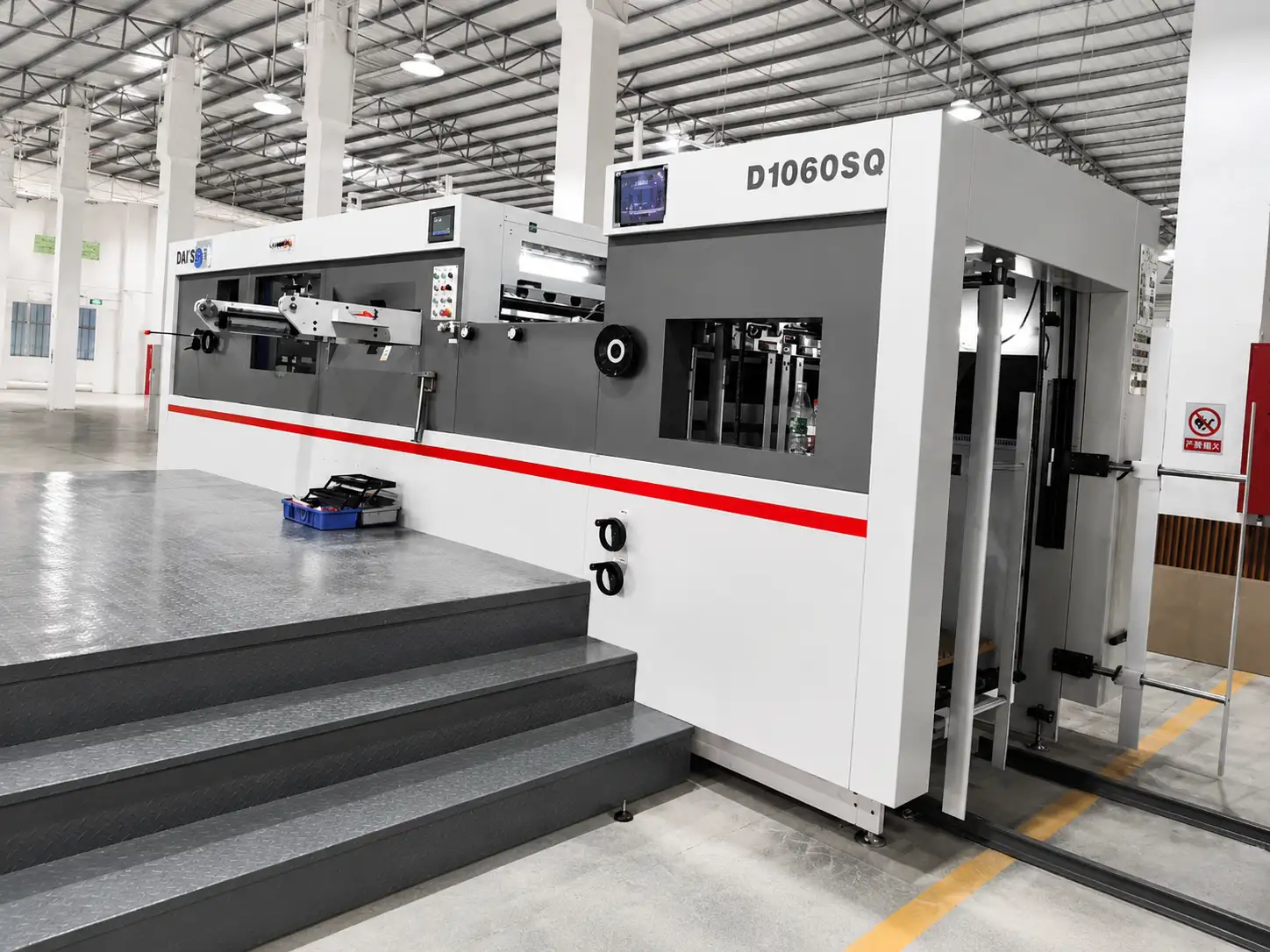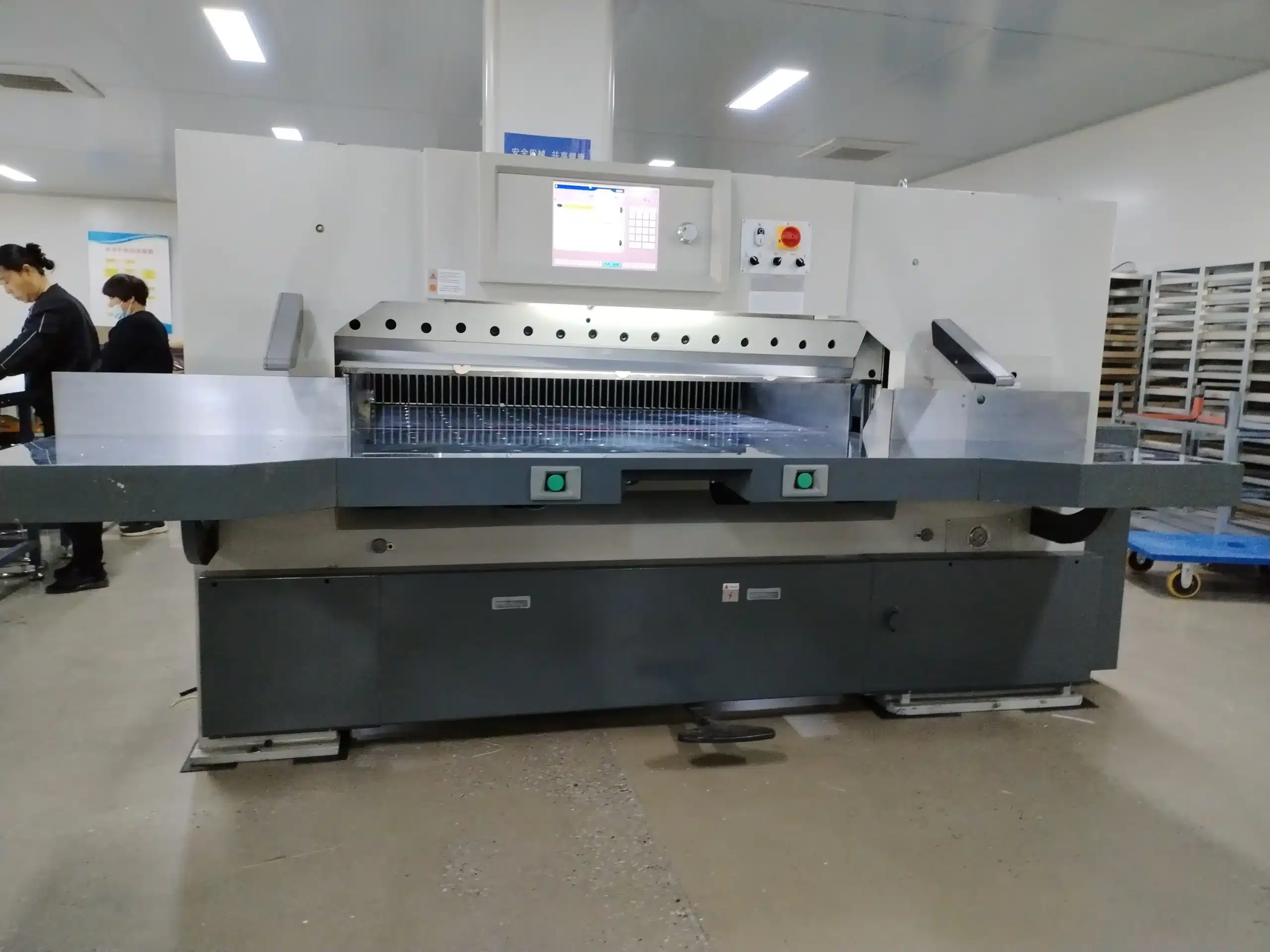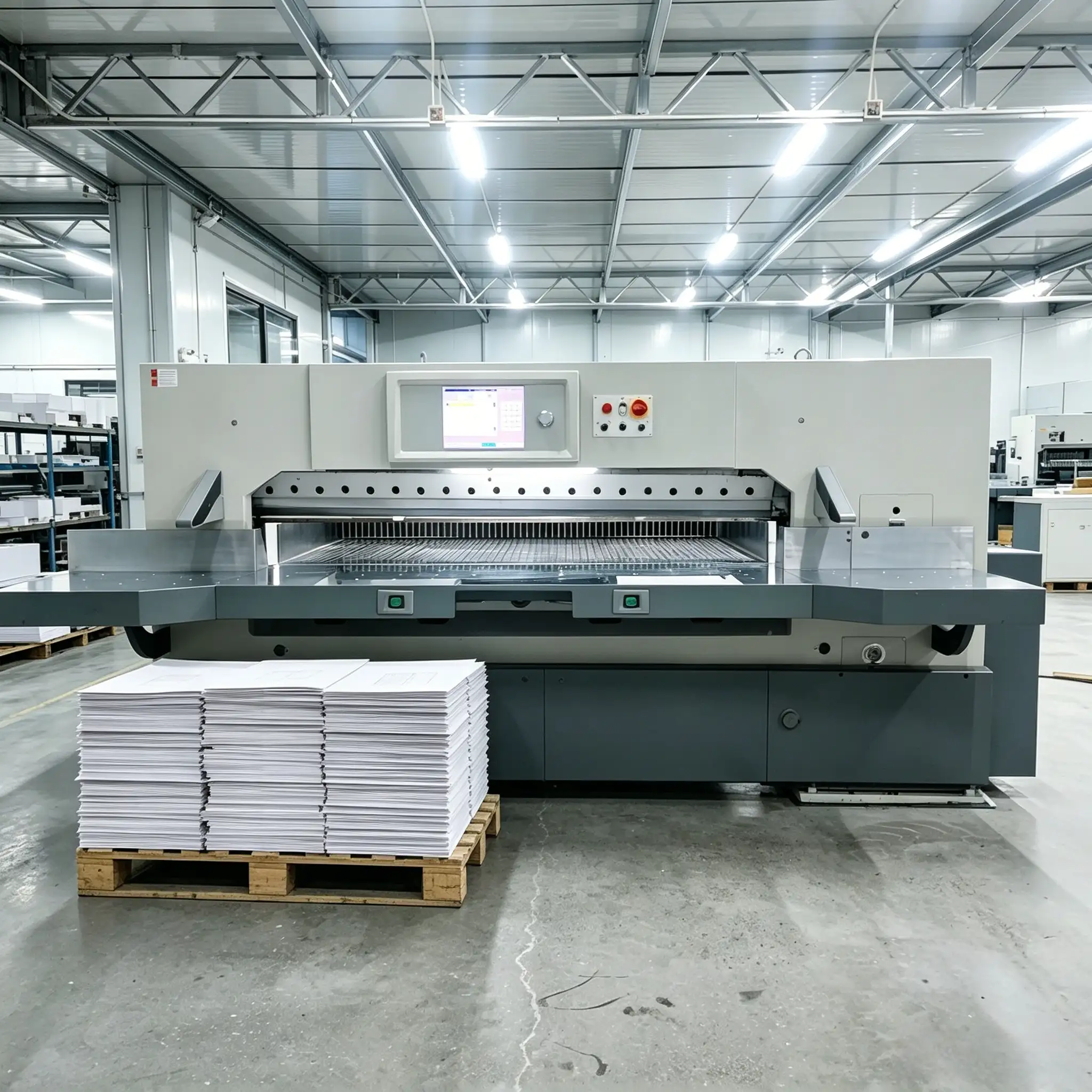
Being a machinery professional who has a twenty-plus year experience with DAIS Printing Machinery (Guangdong) Co., Ltd. I have witnessed the revolution in the industry of printing and packaging due to the servo technology. Our Dongguan factories have also achieved high results by integrating servo motors into the die-cutting and the laminating lines, producing the best results to the customers around the world. Servo technology is a modern form of electric motors that have an onboard feedback system, which can be used to provide fine positioning, speed and torque control.
It is necessary in the current cutting and die-cutting machines since the old fashioned mechanical drives are not adequate to meet the demands of the modern packaging production which require high speed and accuracy. Servo-based systems are better than the old-fashioned mechanical systems because they are able to offer real-time adjustments, zero backlash, and repeatability and their motion accuracy eliminates errors that are characteristic of older systems such as cams or gears. Servo motors provide accurate repeatable motion control, which is a great deal better in cutting accuracy, registration alignment, and production efficiency. When you are operating a plant handling corrugated board or labels, consuming 20-30 percent of your time on waste cutting and increasing throughput with servo cutting technology can cut your costs in half. We will explore the mechanism of this, using actual installations we have accomplished at DAIS, as the basis.
What Is Servo Technology?
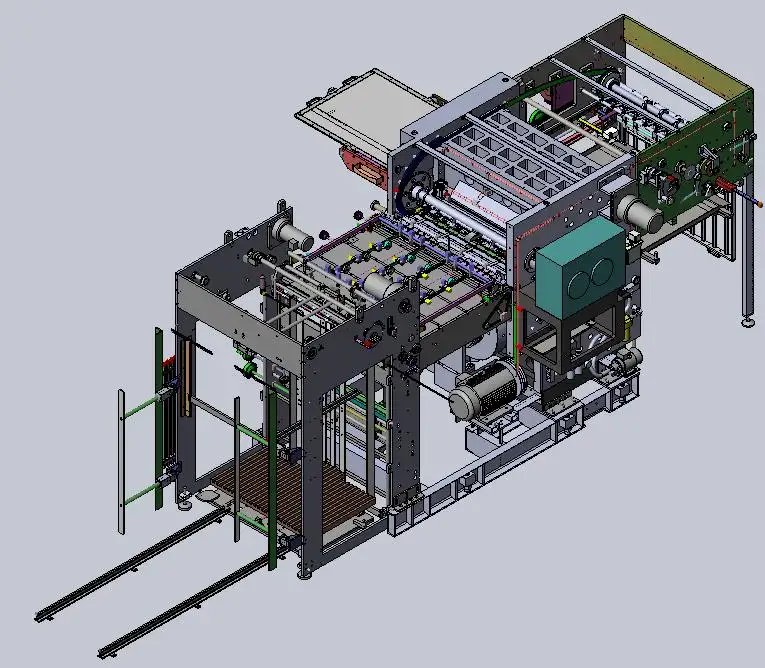
Servo technology is a closed control system comprised of servo motors, drivers and a feedback control. The servo motor is a type of electric actuator and it moves or spins in a high precision manner whereas the driver responds to a controller. The feedback loop employs sensors such as encoders to check on the actual performance and make corrections immediately.
This develops live speed and position controls to make sure that the machine reacts to changes timely. The reason why servo control is more precise than mechanical cams/gears: Mechanical systems are based on fixed linkages which are subject to wear and vibration and thus cause drift with time. However, this is removed with servos using electronic compensation. The definition of servo motors in our DAIS platen die-cutting machines such as the 1050×750 are reduced to intelligent power, that can supply the smallest accuracy of under a millimeter even at a rate of 6,000 sheets/h.
How Servo Motors Improve Cutting Accuracy
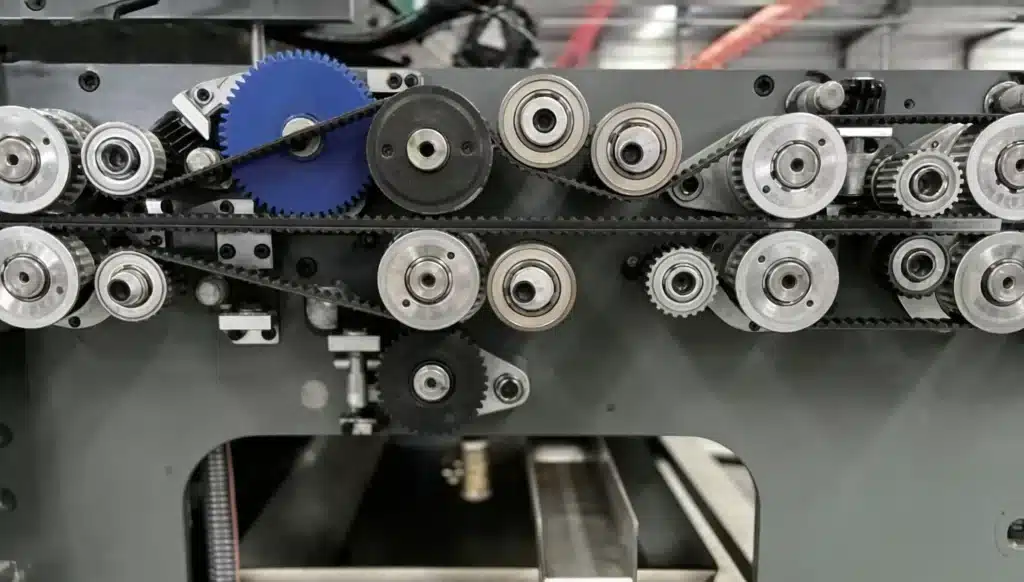
Servo motors improve the precision of cutting with a number of engineering miracles.
Position control In high-resolution position control the increments may be as small as 0.01mm, suitable to the most complex dies. Regular motion profiles achieve smooth starts and stop without the jerks which lead to misalignment. Zero backlash operation refers to zero play in the drive, thus commanding the tool directly. Micro-adjustments are corrected instantly to compensate changes in the material. Selective stopping accuracy The blade is stopped precisely at the point of need without overcuts.
These are bright in servo precision in operations such as creasing cardboard-I have tweaked systems where the standard drives were making the 0.5mm error but the servos were making the error less than 0.1mm. To the precision of servo cutting, it is approximately the reliability between runs.
Servo-Driven Feeding Systems
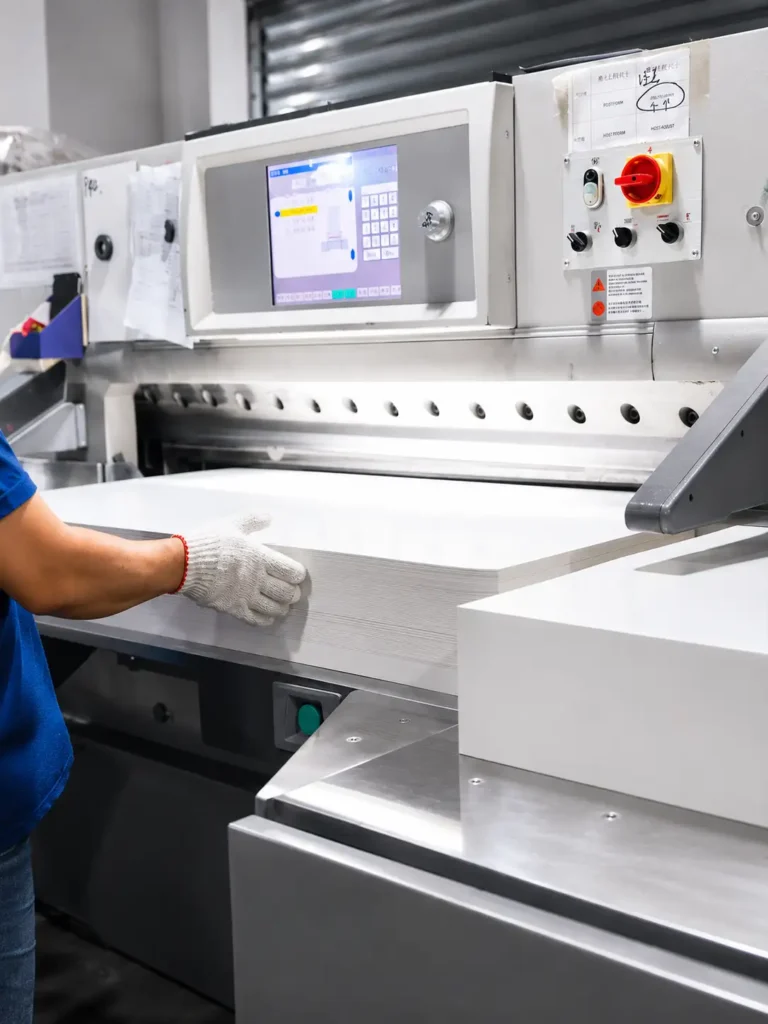
Inaccuracies may begin at feeding, but feeding systems which are servo-driven change this.
Proper positioning of sheets makes use of encoders to position the material on the die accurately. Slippage is reduced through smooth acceleration and deceleration on slippery stocks such as PET. The adaptive torque control results in reduced misfeeds and jamming, early sensing of resistance. High speed steady motion ensures consistency even at 8,000 cycles per hour.
With high-volume production of labels, this has removed feeder jams in our automatic feeding servo system in the 1320×950 die-cutter. Servo feeder technology makes sure that each sheet is aligned, which has the direct effect of increasing the overall accuracy.
Servo Technology in Die-Cutting Registration
Multi-layers or printed materials require die-cutting registration and servos perform exceptionally well in this requirement.
Servo motors move registration marks by scanning optical or printed guides and make changes in axis positions. Stretch or skew are rectified by milliseconds of real-time micro-adjustments. Registration is maintained even at high speeds since servos can process variable loads lag free. Less cumulative offsets because the error drift is reduced during the long runs.
In case of die cutting registration servo, our DAIS models combine this with vision systems after which 0.05mm tolerance on corrugated runs is attained. Servo registration system has changed the game in clients making cosmetic boxes where faulty positioning spoils the product.
Servo Control in Laminating, Stripping, and Stacking
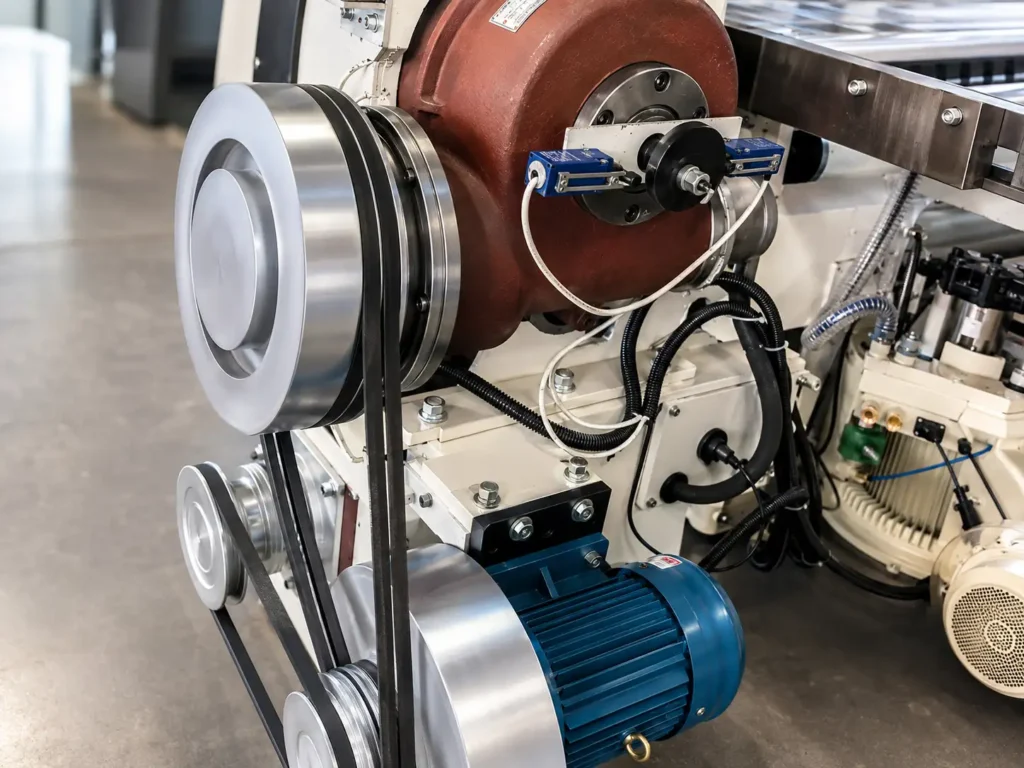
Servos bring precision to the cutting.
Under laminating, the precise roller pressure ensures smooth distribution of glue. The sheets are aligned perfectly by top and bottom through two servos. In case of stripping, the regular time of stripping discharges waste without tearing. Smooth stacking and delivery involves the use of servos to stack up completed parts in a gentle manner without the need of shifting.
These subsystem performance advantages are combined to work perfectly in our high-speed laminators such as the 1450 model where servo stripping has decreased defects by 25%.
Closed-Loop Feedback Systems
The secret is behind closed-loop feedback systems.
Encoders or resolvers supply sensors with data on speed, rotation and position. The motor behavior of drivers is adjusted immediately to achieve setpoints. The loop feedback makes sure that there is correcting in real time and this is used to compensate external influences such as temperature. Why closed-loop systems remove mechanical errors: closed loop systems identify and correct errors that are beyond the capabilities of gears.
This feedback motor control in closed-loop servo system designs has eliminated the batch-rejects in factories- our DAIS creasing machines rely on it to provide perfect EVA cuts.
Servo vs Mechanical Drive Systems
The following is a comparison of servo vs mechanical die cutter system:
Servo Advantages:
- Greater accuracy using electronic tuning.
- The same force should be used on each cycle.
- Individually programmable job motion profiles.
- Reduced mechanical wear because of a reduced number of moving parts.
- Using less energy due to the ability to switch on power when it is necessary.
- No direct response backlash.
Mechanical Drive Limitations:
- Lack of even pressure through gear play.
- Velocity constraints in complicated movements.
- An increase in lubrication and replacement maintenance.
- Gear movement and vibration drift.
Real comparisons at DAIS showed servos reduced maintenance by 40% and also enhanced uptime.
Servo Technology Benefits in Industrial Production
The machine servo payoffs of industries are evident.
An increase in cutting accuracy guarantees defect-free products. Less waste is saved through accurate cuts. Variable runs are managed by better production stability. Rapid job change over through programmable profiles. Better operator pressure with smooth predictable movement. Improved consistency of the products in elite packaging.
The following are the servo automation advantages that have helped our electronics packaging clients to realize zero-tolerance specs.
Real-World Applications of Servo-Driven Cutting Systems
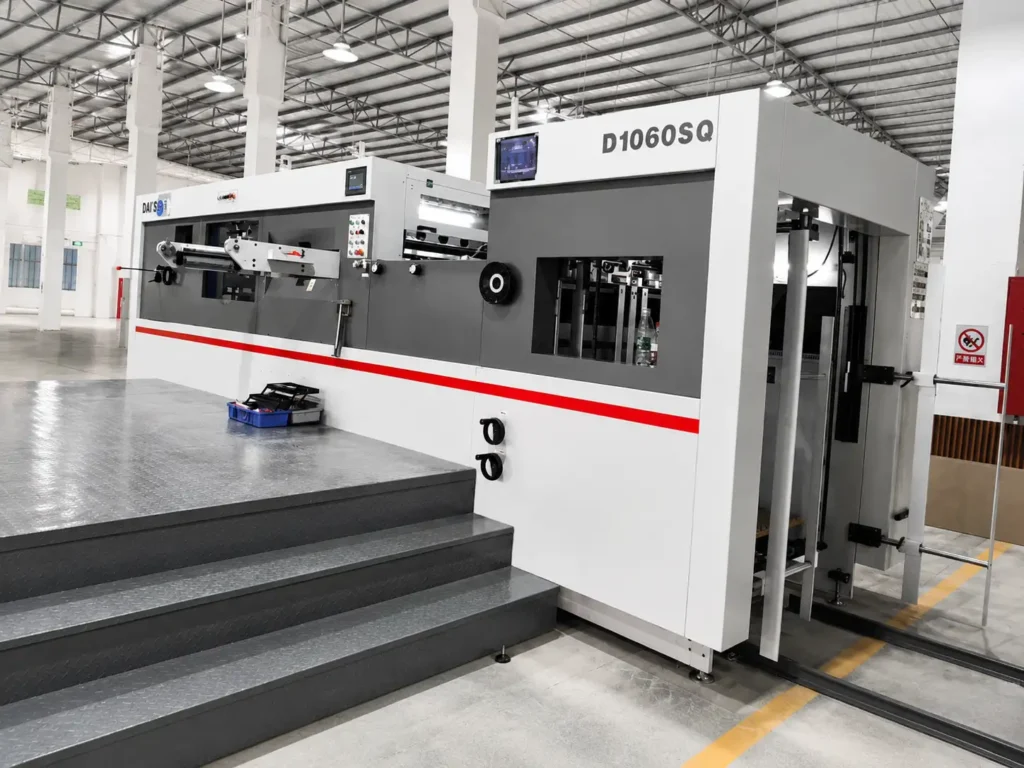
Servo die cutting applications span industries.
Packaging boxes are advantageous in that they have accurate creasing and no cracking. On flutes clean cuts are observed in corrugated board. Kiss-cuts are made in correct labels and stickers. Edges are not burred with PVC plastic sheets. Exclusive accuracy die-cutting of composites in carbon fiber.
Our servo-driven 1680×1220 die-cutter is versatile and endures well in precision packaging cutting of toy packaging.
Buying Checklist + Final Expert Recommendation
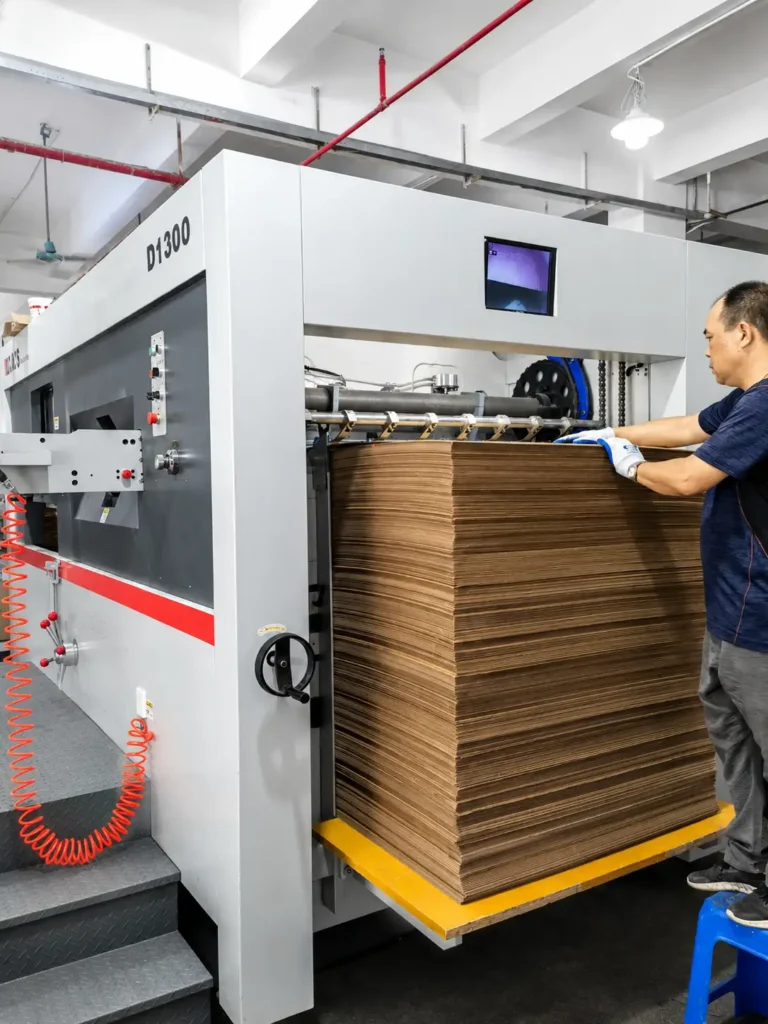
Assess it by the following checklist:
- Accuracy required: Less than 0.1mm would require high-res encoders.
- Type of material: Thick boards prefer sturdy servos.
- Speed of production required:- Secure high cycle torque.
- Registration: Optical integration necessary.
- Integration of automation: IoT/ERP compatible.
- Service motor brand/quality: Use Siemens type, which is reliable.
- Type of feedback system: Close loop mandatory.
- Maintenance expectations: Low wear designs.
- ROI calculation: Waste savings.
Servo-driven cutting and die-cutting machines have unrivaled precision, consistency and speed and thus servo technology is one of the most relevant developments in the printing and packaging production. In DAIS, it has been able to take the operations to the next level, give it a look next time you upgrade.