

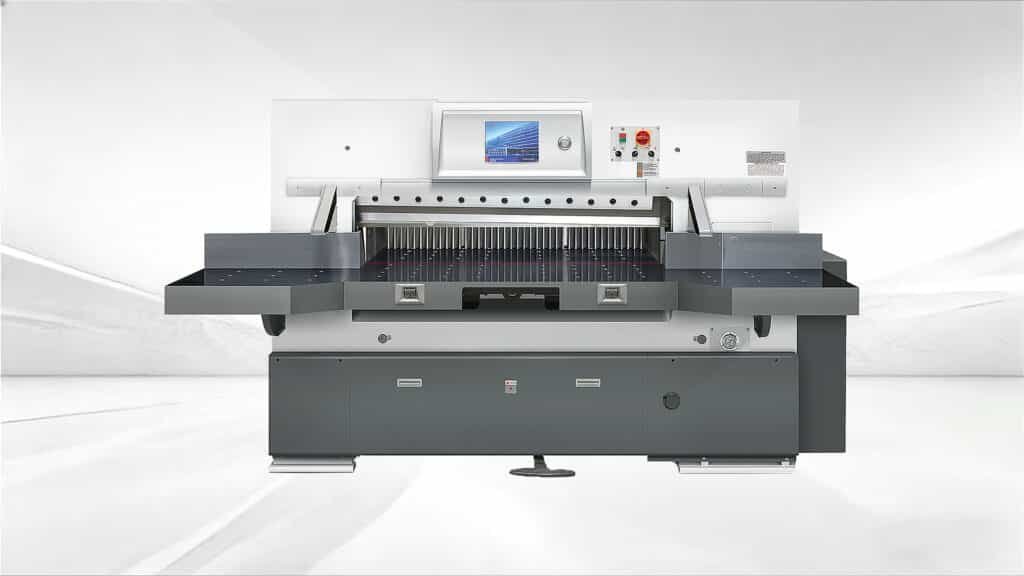
Paper cutting machine is the handhorse in the world of printing and packaging which guarantees an accurate trimming and efficient production. However, even the most durable models such as the servo-driven high-speed cutters can give way without proper maintenance, causing downtimes, poor cuts and increased repair expenses. Maintaining a paper cutting machine is not merely a task but a long term investment that allows increasing the life of the machine, improving the accuracy of the cutting process, and raising the general productivity. Since I managed maintenance in busy factories in Guangdong, I comprehended the role of regular care that would extend the service life of a machine by several years and reduce the number of safety threats.
The lack of proper maintenance causes breakages, incorrect cuts and even safety concerns, i.e., blade slipping or electrical malfunctions, which threaten operators. On the other hand, a well maintained paper cutting machine offers more accuracy, extended life of the components, enhanced safety and reduced cost of operation. With the attention to the maintenance of paper cutters and the service of industrial cutters, you will be able to escape the most frequent traps and make sure that your equipment performs without any issues. It is time to explore the basics, and the most important principles are first.
Essential Daily Cleaning and Dust Removal
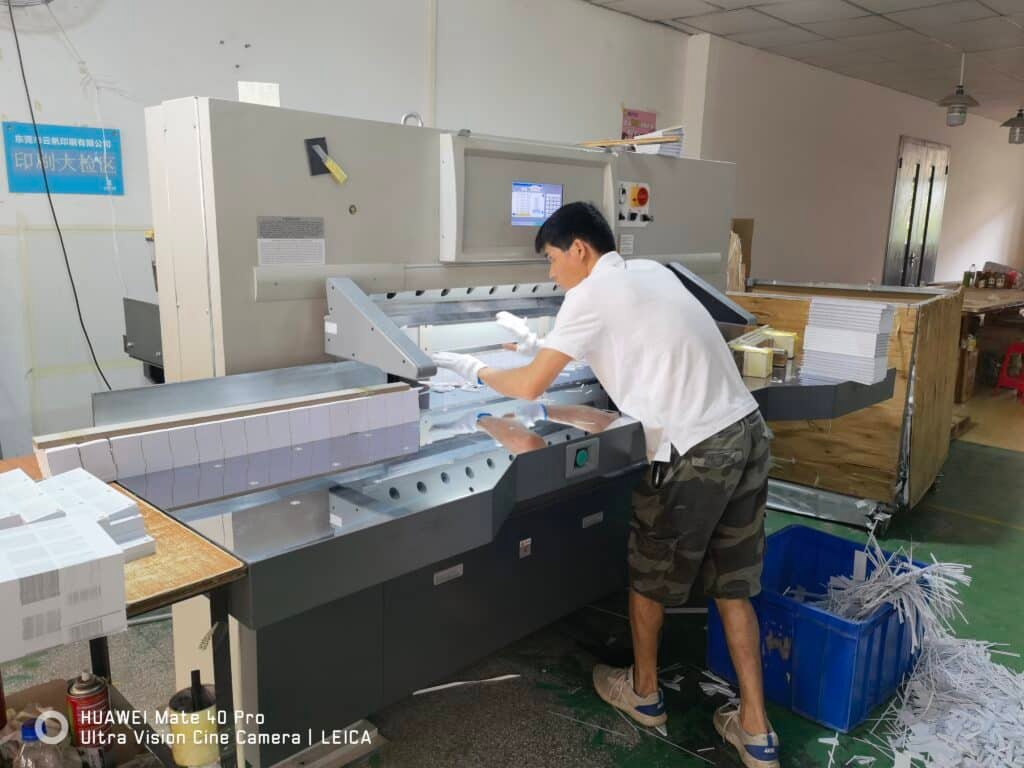
Any high volume operation causes paper dust to build up quickly attaching to surfaces and finding its way into sensitive spots. This accumulation influences sensors, bearings and lubrication leading to friction, overheating and ultimate loss of precision. Contaminated machines become less accurate with time resulting to jagged edges and squandered materials.
The solution is to implement cleaning routines daily. Use soft cloth and mild solvent to clean the surface of the table so that there is no residue left without scratching the surface. Blow dust off moving components such as guide rails and clamps with anti-static brushes. Vacuum cleaners should be used rather than compressed air, which would push the particles further into the machine, at this point, dust particles would be attracted to the crevices, a phenomenon which is more aggravating. This basic paper dust maintenance procedure and paper cutting machine cleaning step in factories that process thousands of sheets every day help in eliminating 80 percent of minor jamming and helps in increasing component life.
Prioritizing Blade Care and Sharpening
Central in any cutter is the blade and a sharp blade is vital to clean cutting. Flat blades cut fibers and adding pressure load in a way that overworks the motor and results in irregular trims. Sharpening times are determined by the amount of cutting volume – moderate use requires 10,000-20,000 cuts, heavy-duty use may need 6-12 cuts per week.
Apply knife grinding machines specially made to handle industrial blades in order to attain a fine edge. Watch monitor angle and edge micro-surface-paper = 19-22 degrees, to make it smooth to minimize tearing. Adopt a blade rotation program where the spares are changed when the machine is offline, and they can be sharpened. This practice of sharpening blades and cutting solid waste paper, coupled with the maintenance of knife grinding and optimizes performance as well as reducing wastes due to inaccurate cuts. I have seen machines on the packaging lines that had unattended blades which increased the number of repairs 2 to 1–do not allow it to occur.
Lubrication for Moving Components
Adequate lubrication minimizes wear on the components which are important leading to a decrease in the seizures and also increasing the time taken to operate. Pay attention to guide rails, screw and bearings, gear, and hydraulic system (when present). In its absence, heat and rapid degradation are generated due to friction.
Apply an oil of the correct viscosity, i.e. manufacturer-recommended, e.g. an ISO VG 32 oil in hydraulics or a lithium-based grease in bearings. Be careful not to lubricate too much, since it will draw dust and build sludge. Use lightly with grease gun/ oiler and wipe off. Check daily and as directed in a machine oiling guide in paper cutter lubrication and top up as required. This makes the movements fluid and cuts energy consumption by as much as 10 per cent in servo models.
Monitoring Cutting Pressure and Clamp System
Lack of pressure leads to inaccurate cuts which caused off-spec products and reworking. The clamp system is also crucial: clamps should be able to hold sheets so that they do not move. Pressure levels should correspond to the thickness of the material, otherwise slips will take place, or the material will be crushed.
Check pressure every week with either built-in gauges or external testers. Lubricate rails of clamps so that they slide down. Make sure that there is a consistent pressure on both sides by balancing cylinders or springs. Clamp system maintenance: This cutting pressure maintenance and clamp system maintenance has a direct influence on the quality of the cut particularly with a machine such as 1450 or 1750 sizes with various stock.
Back Gauge Calibration for Precision
The back gauge regulates the cutting length and as such, it is of importance in the aspect of accuracy. Misalignment is the cause of size errors, which wastes complete batches. Gauges that are powered by servo motors need validation to ensure the digital accuracy.
Check accuracy of test gauge on a daily basis by cutting test cuts with a ruler/caliper. Check screws, belts and loosening or wear motors. Make digital measurements with instruments such as laser calibrators to make adjustments less than a millimeter. Frequent calibration eliminates drift, providing consistent output at high-speed conditions.
Timely Cutting Stick Replacement
The blades are cushioned by cutting sticks which offer a soft surface to land on. Poor cutting is caused by worn sticks, the grooves result in incomplete penetrations. Change or rotate sticks–change after every few days, rotate when grooves are more than 2mm deep.
Replacement signs include visible scoring or bouncing of the blade. This mere replacement ensures integrity of the edges and limits the dulling of blades.
Hydraulic System Care for Stability
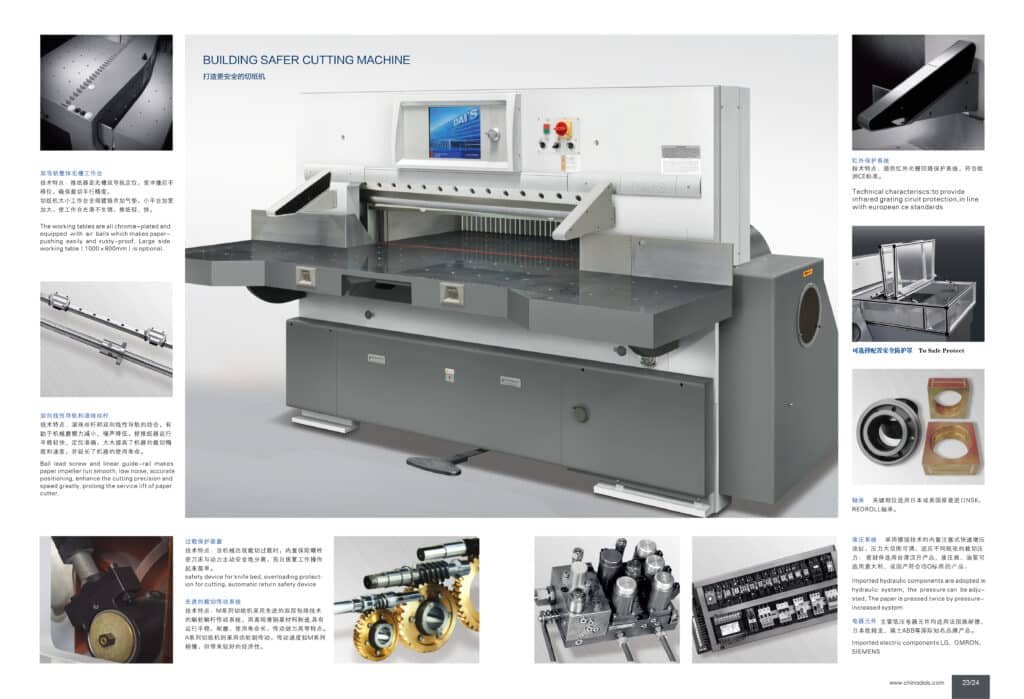
In hydraulic models, to achieve a stable cutting performance through hydraulic pressure, hydraulic pressure stability is required. Weak cuts or overloads may be caused by fluctuation.
Monitor oil level on sight glasses per day. Periodically change hydraulic oil once in 6-12 months (depending on use). Check hoses and valves to ensure they are free of leaks, looseness and seals are tightened and replaced. Wipe filters to avoid clogging, so that power flow is smoother.
Electrical and Control Panel Inspection
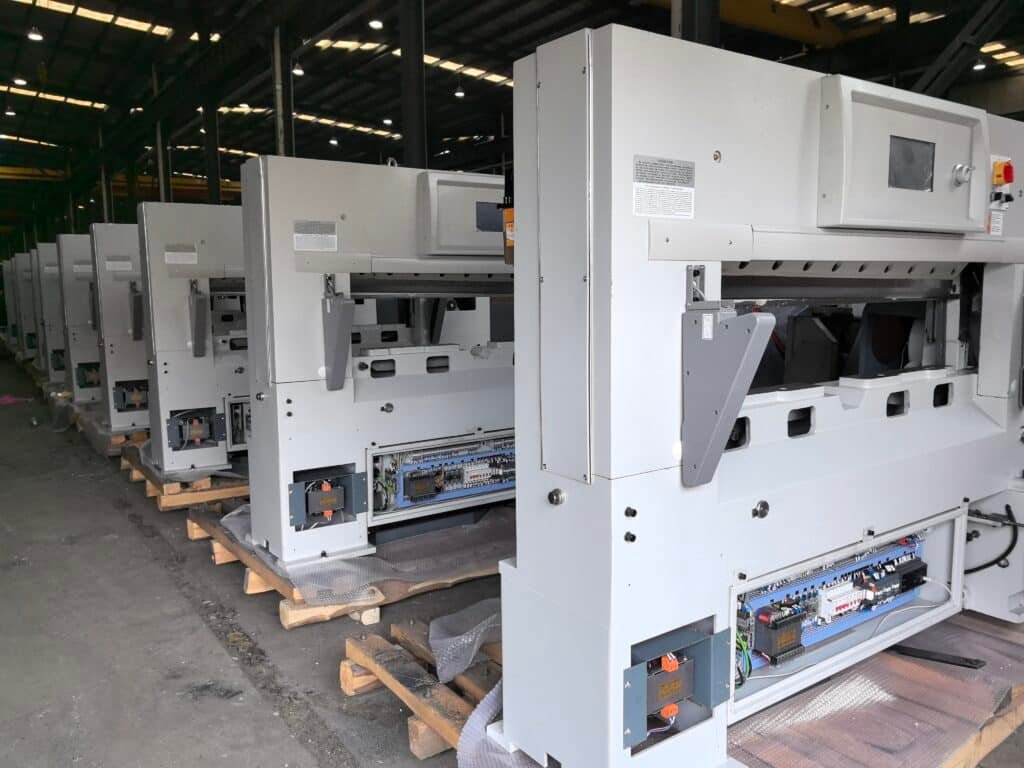
Safe operation is based on electrical reliability. Fraying or corroded check wiring connections. Emergency stop buttons: test to ensure immediate shutdown. Check on safety gadgets such as proximity sensors. Check communication cables damage.
This is an electrical maintenance and safety sensor check which is used to avoid the occurrence of faults that can stop the production process or lead to accidents.
Upholding Safety Features and Operator Protection
Safety is not an option- safety failures should be taken care of at once. The main parts are the infrared safety curtain, the system of two-hand operation, the emergency stop button, and finger guards.
Test every day: Turn on curtains to make blade stop, press emergency stops and make sure that guards are intact. Appropriate operation shields operators and is standard compliant which minimizes the liability in the industrial environment.
Regular Alignment and Leveling
Misalignment causes inaccuracy and erosion of the blade. Begin by levelling the base of the machine using spiritual levels or lasers. Flatten table of checks using straightedges. Welch: remember to keep the clamp and blade parallel so that you do not cut at angles.
Conduct a quarterly verification of alignment, and repairing shims or bolts. This increases the life of the machines this way since there is a good distribution of loads.
Adoption of Preventive Maintenance Schedule.
Preventive maintenance minimizes the downtime and lives of machines due to the organized routine.
Tasks of the day: cleaning, checking the lubrication, checking the blade.
Weekly: Pressure tests, gauge tests, safety tests.
Each month: Hydraulic oil inspection, electrical inspection, stick rotation.
Periodical check: Complete alignment, bearing lubrication.
Annual full service: Professional services, with part replacement.
This will ensure that there are minimal surprises and will ensure high uptime.
Tackling Common Problems and Fixes
The problems of the real world enter but timely solutions put matters back on track. Uneven cutting? Bend the cheese, sharpen the blade, change the stick. Machine vibration? Check bearings, foundations, looseness of bolts. Cutting size errors? Recalibrate back gauge. Hydraulic weakness? Replace oil or check pump. Clamp slipping? Adjust clamp pressure.
These are the troubleshooting steps based on factory logs, which make 90% of problems simple to resolve without significant intervention.
Long-Term Benefits of Proper Maintenance
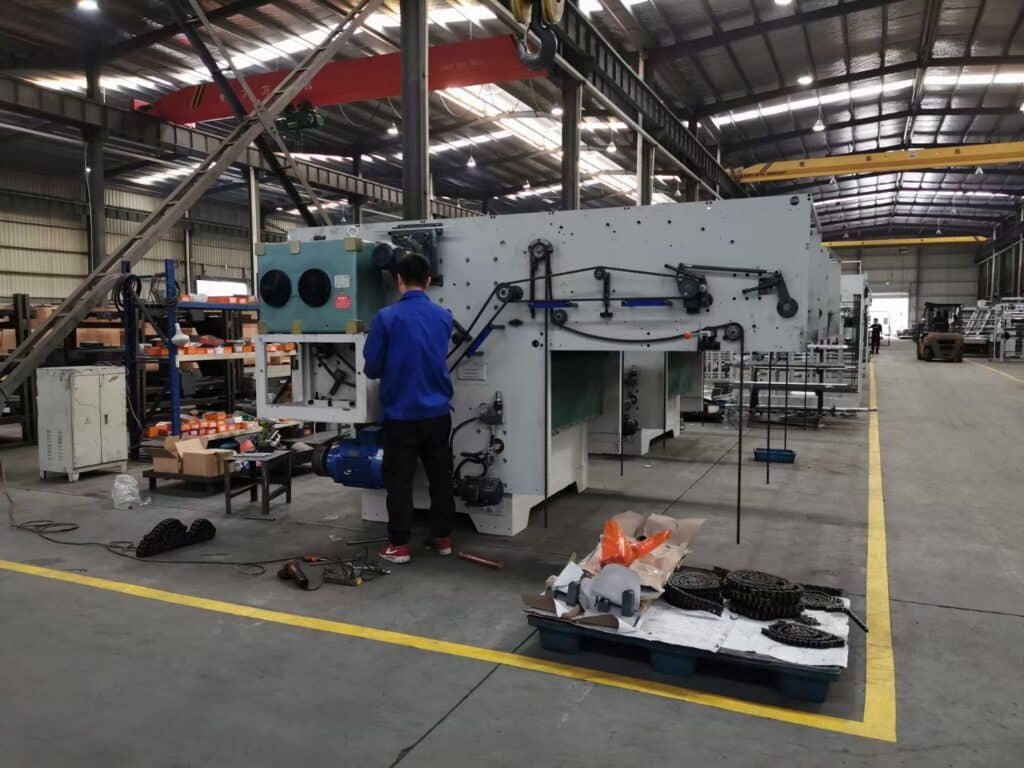
Regular maintenance has extended service life of the machine up to 2 times the service life. It guarantees greater accuracy of cuts to quality production. Fewer downtimes keep lines going. Reduced energy consumption reduces expenses. Better safety of operators creates a safe working environment. Increased overall productivity brings about profitability.
Expert Checklist and Final Recommendation
Regular reviews with this professional checklist can be used
- Berge condition (sharpness and alignment)
- Rail level (rails, bearings, hydraulics)
- Accuracy of pressure (homogeneous and equal to material)
- Calibration of back gauge (daily tests)
- Hydraulic system (oil, leaks, filters)
- Testing of safety features (curtains, stops, guards, etc.)
- Dust removal (table and parts)
- Checks on alignment (base, table, parallelism)
The most important aspect of any printing or packaging facility is the choice of a strict maintenance schedule as a tool to obtain the maximum accuracy of cutting, to extend the working life of equipment, and to operate safely and efficiently. These tips will help you protect your investment and continue production in a humming manner.
SEO Title: How to Maintain a Paper Cutting Machine: Tips for Longer Machine Life
Meta Description: Learn how to maintain a paper cutting machine and extend its lifespan. This guide covers blade care, lubrication, calibration, safety checks, alignment, cleaning, and preventive maintenance for printing and packaging plants.Excerpt: Regular maintenance is essential for keeping a paper cutting machine accurate, stable, and safe. In this guide, I explain how to maintain your paper cutter properly—covering lubrication, blade sharpening, alignment, safety systems, cleaning procedures, and preventive tips to ensure long-term performance.