

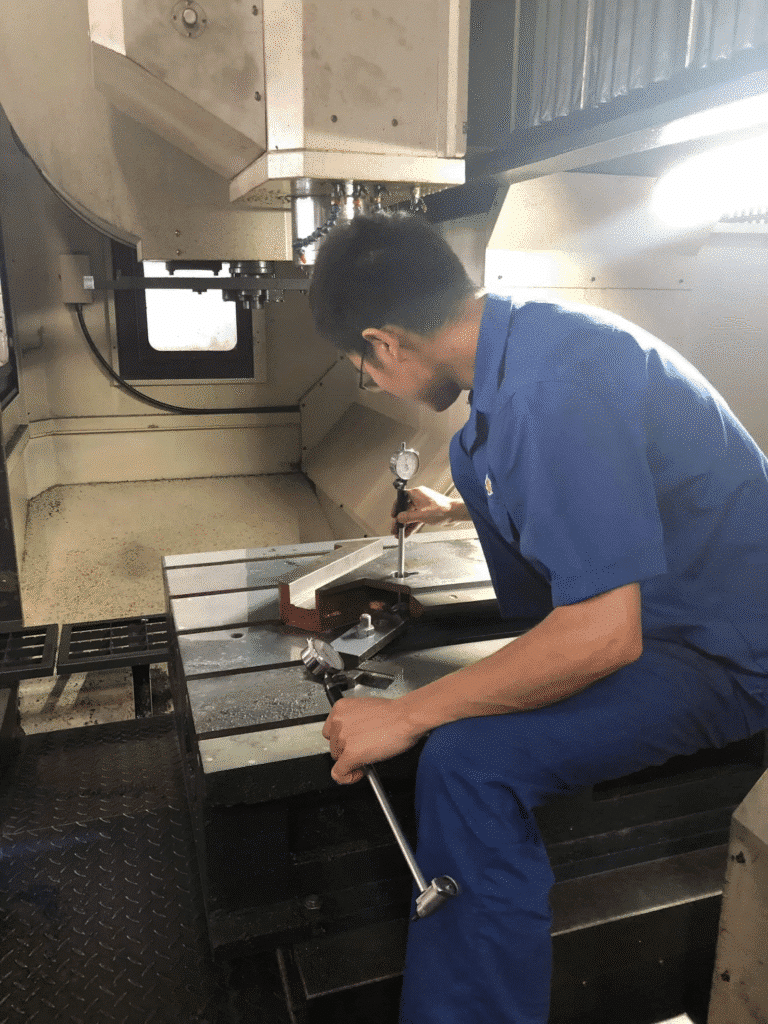
How to Improve Cutting Accuracy in High-Speed Paper Cutters
✅ Meta Description
Learn how to improve cutting accuracy in high-speed paper cutters through calibration, setup, maintenance, blade care, and process control. Practical strategies for production engineers and operators.
✅ Excerpt
Cutting accuracy in high-speed paper cutters depends on more than blade sharpness alone. This guide explains how setup, calibration, clamping, material handling, and maintenance influence precision, and provides practical ways to improve cutting consistency, reduce waste, and optimize production performance.
How to Improve Cutting Accuracy in High-Speed Paper Cutters
In high-speed printing and packaging facilities, precision is the name of the game. Cutting inaccuracy results in sheets out of register, more scrap, rework, and downtime. Yet many print shops still strive for more accuracy by improving just one piece of the puzzle – typically the blade – without understanding how the complex system from material through cutting and handling to packaging, defines the accuracy of the final cut.
Increasing cutting accuracy in high-speed paper cutters isn’t accomplished by making a single change, it’s accomplished by controlling machine setup, blade sharpness, positioning and material handling, and operator discipline as a system.
High cutting accuracy results from controlling the entire cutting process – not just a part of the machine.
What Affects Cutting Accuracy in High-Speed Paper Cutters?
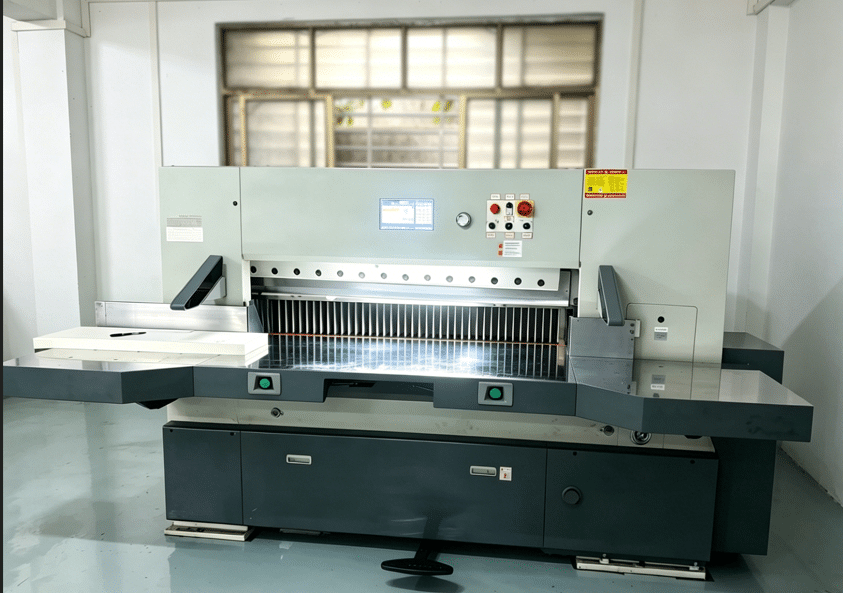
In industrial paper cutters, cutting accuracy is achieved through the smooth interaction of mechanical, electrical and operational factors. If any part of this chain is weakened, cutting accuracy is impacted – even with a new, sharp knife.
| Accuracy Factor | Impact on Precision | Typical Tolerance Range |
| Blade condition | Cut quality & edge cleanliness | ±0.1–0.3 mm |
| Back gauge accuracy | Dimensional precision | ±0.05–0.15 mm |
| Clamp pressure | Stack stability | Critical for no-slip |
| Material alignment | Consistency across stack | ±0.2 mm |
| Machine calibration | Overall repeatability | ±0.1 mm per cycle |
Knowing about these factors is the key to improvement, not troubleshooting.
Start with Blade Condition and Cutting Geometry
Blade sharpness is critical, but seldom the only factor impacting accuracy. Even with a super-sharp blade, machine settings create an inconsistent result.
| Blade Factor | Accuracy Impact | Recommended Action |
| Blade sharpness | High – affects edge quality | Daily visual + weekly precision check |
| Blade angle | High – influences push vs. shear | Maintain manufacturer-specified angle |
| Blade wear | Progressive accuracy loss | Replace at first sign of rounding |
| Cutting geometry | Edge quality & squareness | Verify rake angle and clearance |
Skilled operators know the geometry of the blade must be appropriate for the material. For instance, different rake angles are needed for coated stock and thick board than uncoated paper to avoid pulling or crushing. Periodic microscopic examination of the blade edge shows wear patterns long before they are visible.
Improve Back Gauge Positioning Accuracy
The back gauge is the key to dimensional control. A drift of 0.1 mm on thousands of sheets wastes a lot of material.
| Positioning Issue | Improvement Method |
| Calibration drift | Daily zero-point verification |
| Position errors | Servo motor tuning and encoder checks |
| Repeat inconsistencies | Linear guide cleaning and lubrication |
| Setup deviations | Job recipe storage and recall |
In my experience, I suggest performing a simple daily test on the gauge: cut out ten strips at the same setting and take their measurements using a digital caliper. A deviation of ±0.05 mm or more indicates recalibration.
Optimize Clamping and Material Stability
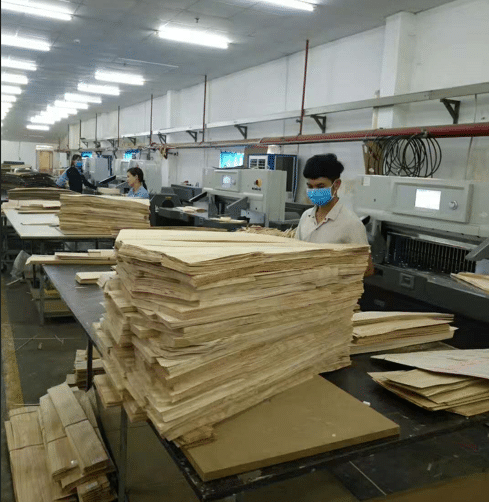
Stack drift is one of the most common but least-recognised sources of error. If the stack moves, the entire cut is trapezoidal or slanted.
| Stability Factor | Accuracy Benefit |
| Correct clamp pressure | Prevents shifting without crushing |
| Proper stack alignment | Ensures uniform edge reference |
| Controlled material handling | Reduces operator-induced variation |
This requires the right pressure: sufficient to hold the stack in place but not so much it crushes air pockets in lower-weight stocks. New servo clamps can deliver precise pressure profiling, with huge positive effects for mixed production.
Improve Setup Procedures for Better Accuracy
Good setups distinguish shops with high productivity. Fast through-put environments find that rushing setups almost always takes longer.
Setup Practice Checklist
| Setup Practice | Why It Improves Accuracy |
| Verify dimensions with calibrated tools | Prevents basic measurement errors |
| Check alignment with laser or square | Ensures squareness from first cut |
| Confirm settings against job sheet | Eliminates programming mistakes |
| Standardize setup procedures | Builds repeatable process control |
Record all critical setup parameters for repeat jobs. This converts tacit knowledge to explicit knowledge and eliminates first-article inspection time.
Calibration and Preventive Maintenance Improve Precision
Preventive maintenance is not an expense, it’s accuracy.
| Maintenance Practice | Accuracy Benefit |
| Regular calibration checks | Maintains baseline precision |
| Lubrication of guides & ballscrews | Ensures smooth, repeatable motion |
| Component inspection | Catches wear before it affects cuts |
| Mechanical adjustments | Restores original tolerances |
Perform complete calibration of the die cutting machine every 500 hours or every three months, whichever is sooner.
Reduce Accuracy Problems Caused by Machine Vibration and Wear
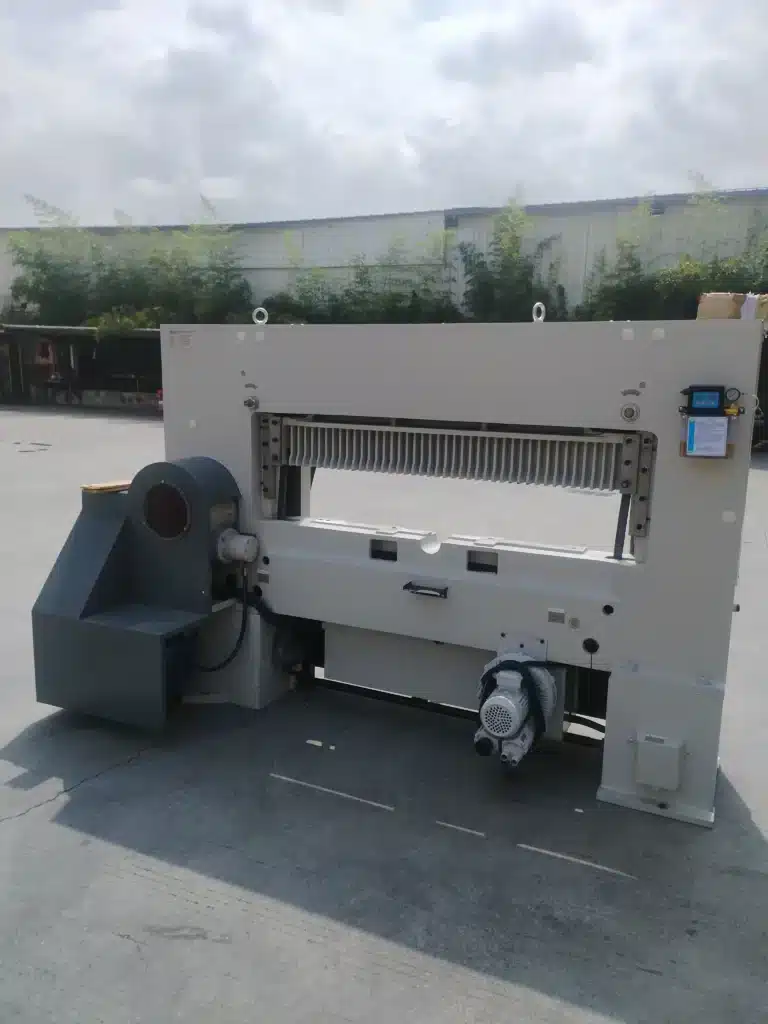
Vibration makes a machine variable. Causes include worn drive belts, loose frame bolts, unbalanced flywheels and foundation settling.
| Issue | Accuracy Impact | Improvement Action |
| Vibration | Dimensional inconsistency | Install vibration-damping pads |
| Mechanical wear | Position errors | Replace worn bearings & guides |
| Drive instability | Repeatability issues | Tension belts and align motors |
A vibration check using a smartphone or low-cost meter can help identify issues before they become apparent in the sheet.
Process Controls That Help Maintain High-Speed Cutting Precision
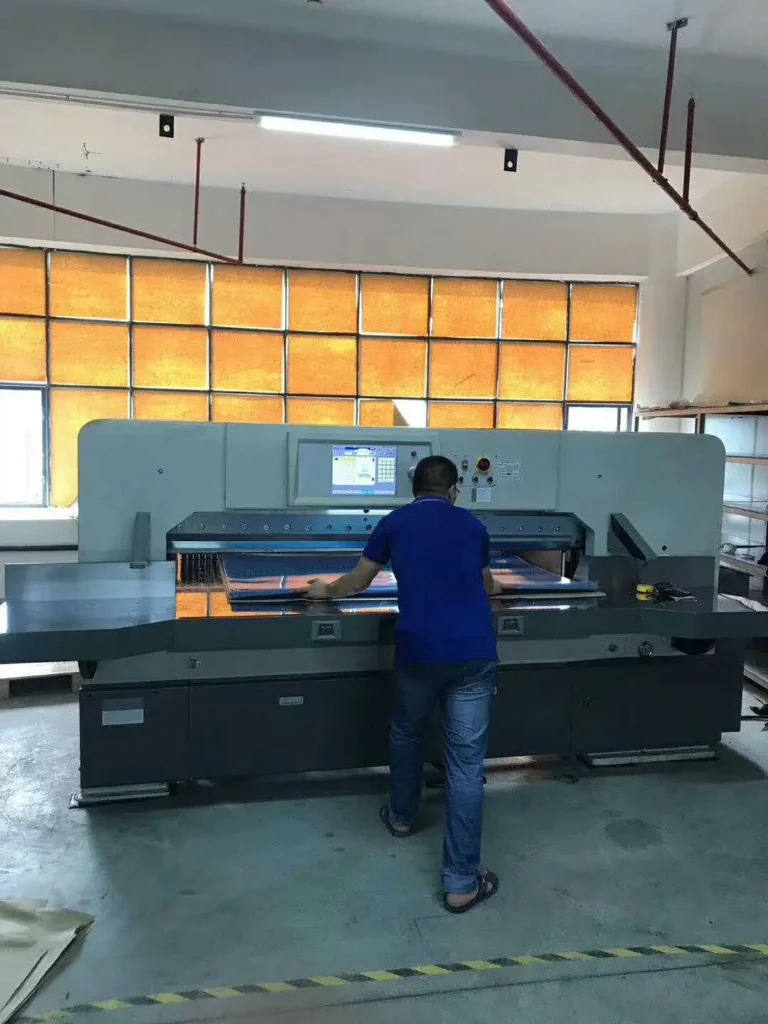
Technology can never make up for poor process control. Operating procedures, process quality checkpoints and operator training is the supporting structure for high accuracy.
| Process Control | Benefit |
| Standard operating procedures | Consistency across shifts |
| Quality checkpoints | Early error detection |
| Process monitoring | Real-time stability |
| Repeat job controls | Precision retention over time |
Have a brief “first-three-sheets” checking routine on all setups. It prevents wasting time on a whole lift.
Common Mistakes That Reduce Cutting Accuracy
- Ignoring tool sharpness, gauge drift and clamp pressure
- Not confirming calibration each day on fast feed rates
- Inconsistent clamp pressure on different stock material
- Hurried setups to keep production on time
- Putting off maintenance until accuracy issues are apparent
- Thinking of accuracy problems as being related to blade or operator errors
Accuracy Improvement Checklist for Operators
Daily Accuracy Check
| Accuracy Check | Verify Regularly | Action if Out of Spec |
| Blade condition | Every shift | Hone or replace |
| Back gauge calibration | Start of shift | Recalibrate |
| Clamp pressure settings | Every job change | Adjust & test |
| Material alignment | Every load | Re-align stack |
| Machine stability | Daily | Check for vibration |
| Setup verification | Every new job | Measure first cuts |
Print this and place it at each machine. It’s used religiously by teams to reduce waste in a matter of weeks.
Advanced Technologies That Improve Accuracy in Modern High-Speed Cutters
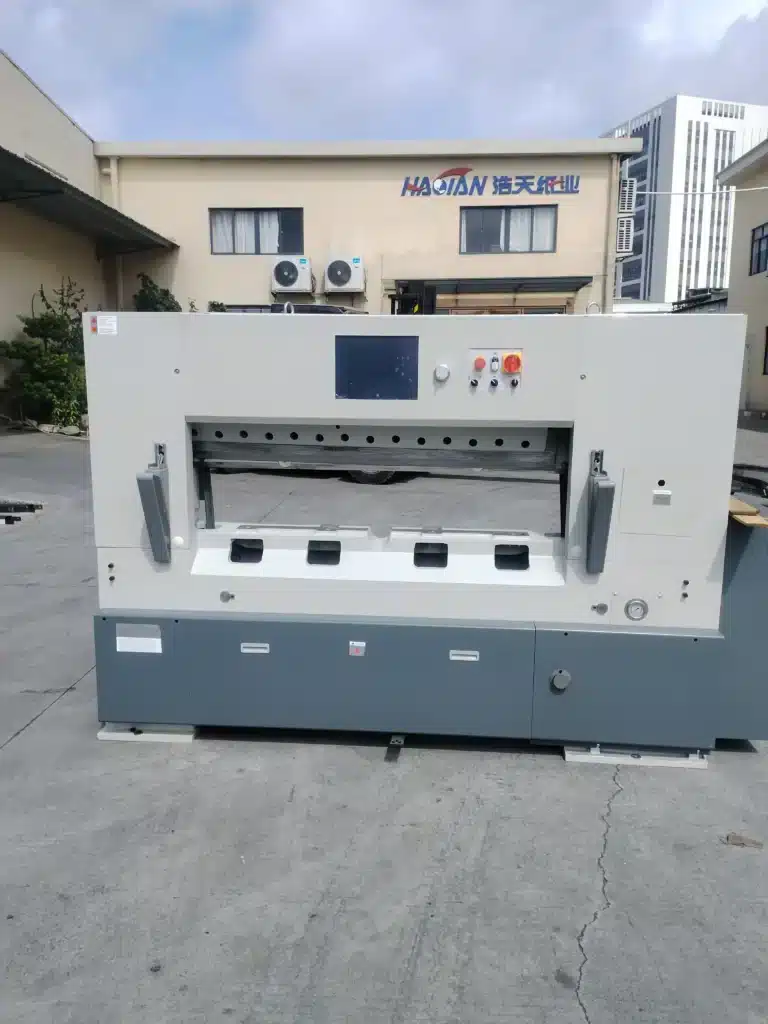
The fastest, most accurate machines today have servo back gauges, live position feedback, automatic profiling of the machine clamps and intelligent health monitoring that notifies the user of potential problems.
| Technology | Accuracy Benefit |
| Servo control | Sub-0.05 mm positioning precision |
| Digital controls & recipes | Repeatable setup with zero guesswork |
| Smart monitoring systems | Early detection of drift or vibration |
| Automated compensation | Real-time adjustment for material variation |
Such technologies don’t eliminate the need for human skill; they enhance it.
Conclusion — Cutting Accuracy Comes from Process Control, Not One Adjustment
When it comes to improving cutting accuracy in high-speed paper cutters, it’s not a single fix, but the entire cutting process that must be controlled – from the condition and position of the blades, to the calibration, stability of the materials being cut, and the operator’s skill.
When production operators see accuracy as a process problem, rather than a set of adjustments, they deliver tighter tolerances, reduced waste, increased productivity and improved overall equipment effectiveness. You can see it on the shop floor and in the bottom line.
Begin with the daily check, establish setup discipline and promote preventive maintenance. The precision gains will follow.
(Word count: 1,682)