

Die cutting refers to a process that involves the use of a special tool known as die in order to cut, crease, or shape the materials to achieve accurate shapes. It is a basic method in the manufacturing industry and especially to the packaging and printing where precision and productivity are of the highest order. Mass production of custom shapes, folds and perforations can be done on materials such as paper, cardboard, and plastics using this process. In its absence, the development of complex packaging artworks or accurate labels would be much more laborious and inaccurate.
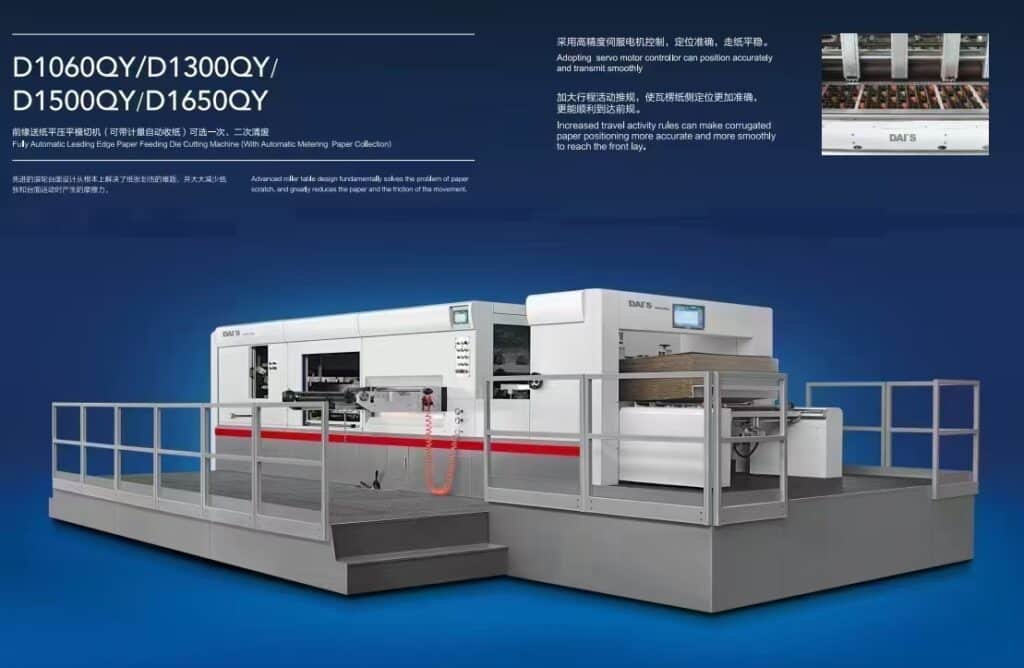
Die cutting plays a critical role within the packaging and printing since it has led to high quality of products, waste reduction, and increased production efficiency. With its requirements of tight deadlines and customization being paramount, die cutting allows the manufacturers to create both a basic folding carton and a complicated luxury box with a sharp edge and perfect creases. It is widely found in such industries as food packaging, consumer goods, pharmaceuticals, and commercial printing. The effects on the efficiency of production are also important: automated die cutting can work with thousands of sheets per hour and reduces the errors and wasted materials. When you work with packaging design or printing processes, it can be useful to have an idea of what is die cutting and die cutting process, as this can maximize your work flows to increase the quality of the output.
Die cutting in packaging converts plain sheets into useful designs, e.g., folding boxes or peeling labels. It also in printing provides finishing touches such as cut out windows, embossed textures that are more appealing to the eye. Common uses are in the production of die cut stickers, custom envelopes and corrugated displays. In the process of further exploration, we will discuss the technical side, types of dies, work processes, so that you will have a complete perspective on how this process is workable in real life situations.
What Exactly Is Die Cutting?
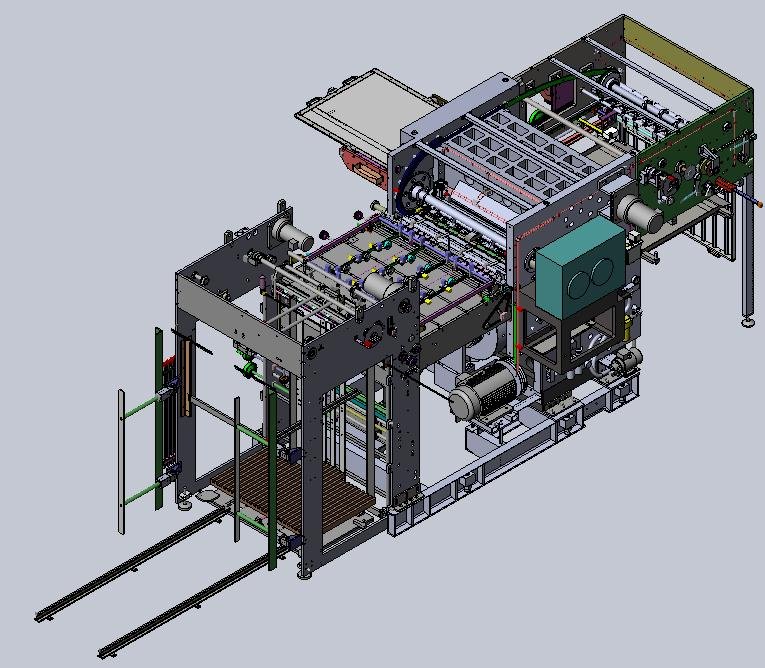
Die cutting Die cut is a high precision manufacturing technique that involves a custom-made die (an essentially a sharp and shaped blade or a tool) which cuts materials into a particular shape or pattern when under a high pressure. The principle of its operation is the exertion of regulated force on a substrate (material being cut) placed between the die and a backing surface. The material is sliced along the outline of the die in this interaction, producing clean cuts, creases, or perforations.
The simplest mode of interaction is when the substrate is fed into the machine with the die pressing down or rotating on the substrate. Pressure is important: it has to be constant to prevent tearing or incomplete cuts. A case illustrating this is in packaging die cutting where it could be a box blank cut out of corrugated board, or in printing die cutting it could be a score line added to a brochure so that one can easily fold it. The dies transfer is used to transfer shapes on materials by copying the desired outline, usually using rules (thin metal stripes) on a base made of wood or metal. This provides repeatability, and die cutting is therefore used in large volume automation in cases where repeatability is a factor.
My experience working with printing machinery made me observe how the small differences in set up could influence the final product. It is a universal process that can pick up thin paper and thick plastics however, it should be highly calibrated to ensure accuracy.
Types of Die Cutting Methods
Die cutting methods are several and each is best applied to various production requirements depending on the speed, material and complexity. Here’s a breakdown:
The most conventional one is called Platen die cutting (flat-bed) in which a flat die is pressed to the material as a stamp. It is suitable on short to medium runs, provides high accuracy and also can cut thicker materials. It is however slower compared to other processes, normally paying 1,000-5,000 sheets in an hour, and takes longer to set up. The differences are less speed and better pressure control to do the detailed work.
Rotary die cutting involves cylindrical dies which are in constant rotation and feed a material through rollers. This process is excellent in long-run and high-speed production, which can be more than 10,000 sheets per hour. It is cheaper than platen when it comes to volume but is less accurate in complicated designs. Straight cuts are accurate at high precision, whereas custom rotary dies are expensive.
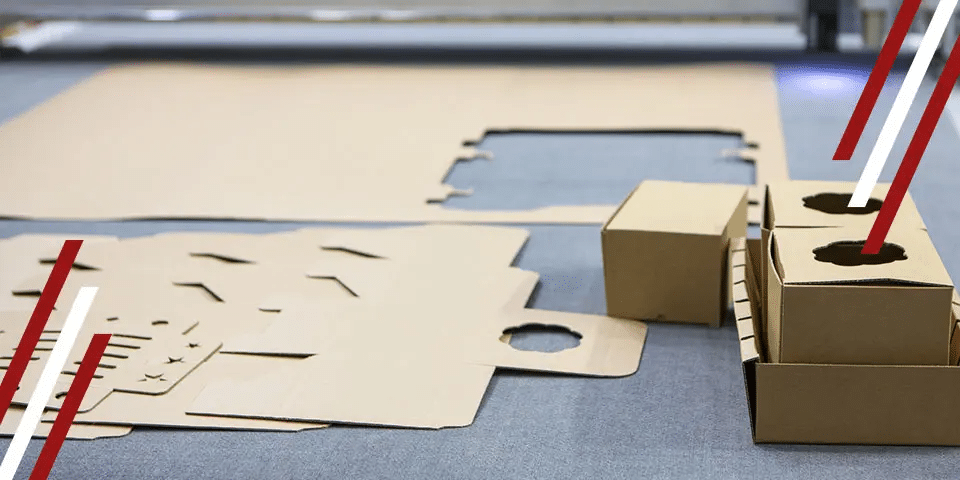
Laser die cutting uses focused beams of laser to vaporize or melt material along programmed paths. It is tool-less and very accurate, which suits prototypes or physically die-less complex shapes. It depends on the power, but it can go slower with thick material, accuracy can be down to microns, but it is also more expensive because of equipment. None of the die wears is cost-effective at low volumes.
On-demand cutting is done with computer-controlled blades or plotters in digital die cutting (no traditional die is used). It is adaptable to tailor jobs, has little setup, and is slower and less efficient in mass-producing. Differences: small batches require lower pressure requirements, but greater precision.
Such keywords as platen die cutting, rotary die cutting, and laser die cutting emphasize that the selection of an appropriate approach would affect the efficiency of packaging die cutting and printing die cutting.
Types of Dies
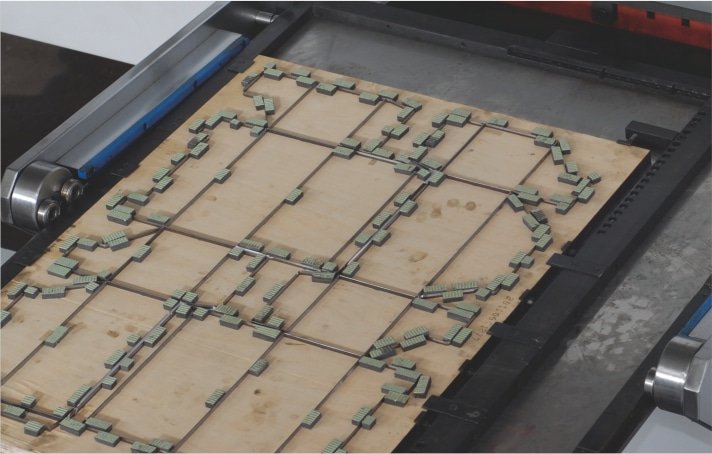
The process depends on dies which are specific to tasks. Steel ruled dies are made up of sharp steel cuts that are bent into shapes and attached on plywood. They are cheap, can be applied to flat-bed machines and are normally utilized in packaging where they are used to cut carton packaging or labels.
Rotary dies are available as solid (engraved cylinders, to ensure high durability) and flexible (magnetic sheets, so that they can be changed rapidly). Solid rotary dies are used in printing with a large volume whereas flexible ones are employed in the variable designs.
Embossing dies form either raised or recessed patterns by stampeding, not cutting. They are necessary to give texture to luxury packaging, such as debossed logos on the boxes.
Kiss-cut dies slice through the top surface but not the backing flexible to use in printing in stickers and labels.
Foil stamping dies transfer metallic foil in heat and pressure, to increase the visual appeal in the high end packages.
All types are customized: steel rule die, rotation die, embossing die.
What Materials Can Be Die Cut?
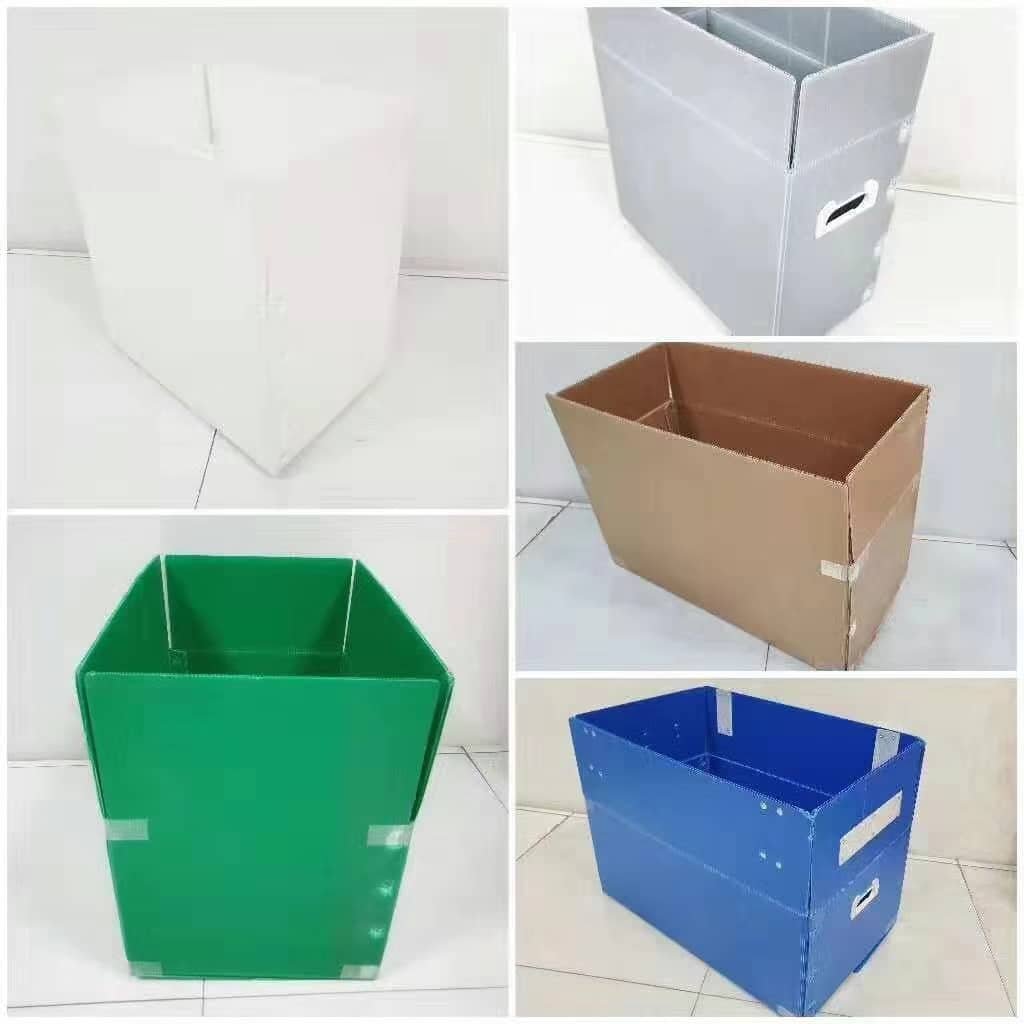
Die cutting is applicable on a large variety of substrates and this depends upon the requirements of the final product. Common ones include:
Paperboard – Light and folding, ideal in making cartons.
Corrugated board – Heavy and strong to use as shipping boxes, creases easily.
Cardstock- Business cards or invitations are dense in nature, and it provides clean cuts.
Plastic sheets (PVC, PET, PP) -Longevity: blister packs or tags, tearing resistance.
Labels/adhesive materials- Kiss-cutting stickers with backing.
Foils- Thin metallic layers used in decorative work.
High-density specialty materials – Such as foam or leather to use as custom inserts.
Die cutting materials should be compatible with the die capabilities; the thicker substrates to be die cut need to be under greater pressure.
Full Die Cutting Workflow
The die cutting process is a step-wise procedure that is accurate. Here’s how it unfolds:
Step 1: Die design and preparation– The engineers design the die with the use of CAD software and proceed to include cuts, creases, and perforations. To take the example of designing a die of a cereal box.
Step 2: Material feeding – A feeder takes the sheets in the feeder (which can be automatic when running at high speed).
Step 3: Registration and alignment: This is used to position the material using guides or sensors in order to line printed parts.
Step 4: Cutting / creasing / perforating – The die puts pressure on the material so as to shape it.
Step 5: Waste stripping – Removal of excess material is either done manually or by the use of pins / ejectors.
Step 6: Delivery and stacking- Completed work is assembled and put back in store to be processed further.
This how die cutting works flow reduces downtimes in industrial contexts such as the manufacture of gift boxes.
Key Die Cutting Techniques
Through-cutting completes total shapes of the material.
Peelable labels are partly cut using kiss-cutting.
Piercing draws lines of tears, such as the ones in tickets.
Raising the scores of bending and not breaking.
Embossing / debossing provides textures 3D.
Metallic foil finishes are bonded with foil.
Both improve the packaging and printing functionality.
Factors That Affect Die Cutting Quality
Quality depends on:
Evenness of pressure- Uniformity of pressure eliminates defect.
Die height -This should equal material thickness.
Rule sharpness Dull rule leaves ragged edges.
Material thickness The thicker it is, the more force is needed.
Registration accuracy – Prints are destroyed by misalignment.
Machine stability Vibration influences precision.
Operator configuration- Calibration expertise is paramount.
By dealing with them, the die cutting accuracy and optimal cutting pressure factors are warranted.
Die Cutting Machines
Machines vary by method:
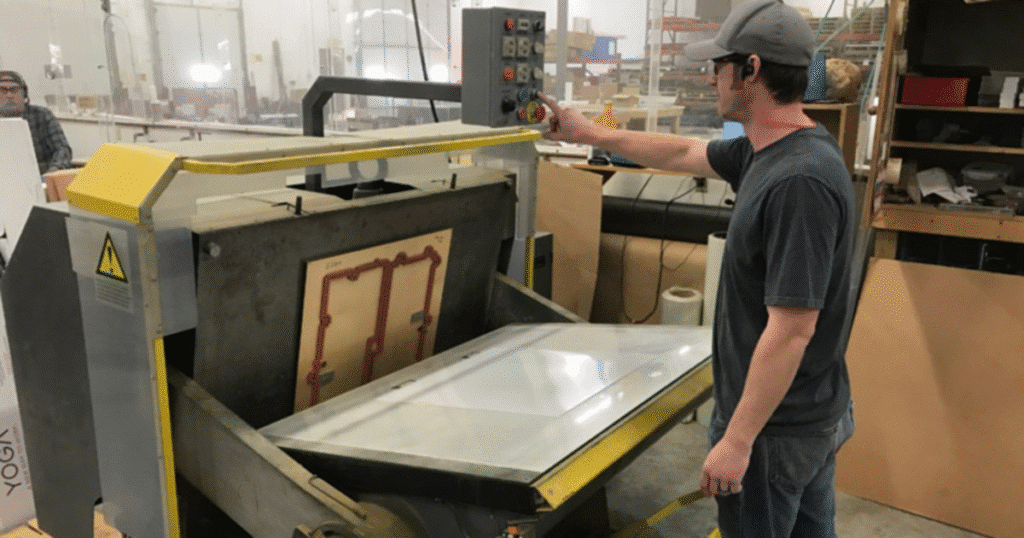
Automatic platen die-cutting machine – To be used on the medium-volume work.
Die-cutter with stripping– Automatic stripping is added to improve the efficiency.
Die-cutting machine (rotary) -High-speed roll.
Laser die-cutting systems Flexible, no-tool systems.
Digital flatbed die cutters – Use when there will be low production volume.
Automatic platen: elaborate packaging; rotary to print fast.
Common Applications of Die Cutting
Consumer product folding cartons.
Embossed and luxury packaging.
Branding labels and stickers.
Specially designed gift boxes.
Shipping corrugated packages.
Retail Point-of-sale displays.
Promotional sources such as brochures.
Ready finishes on books covers and stationeries.
These highlight die cutting applications in packaging die cutting applications.
The basis of contemporary printing and packaging production is die cutting to produce accurate shapes, creases, and packaging forms.
In assessing needs, the following checklist is to be used:
Type of material Paper or plastic?
Thickness – Thin or heavy-duty?
Speed required -high volume or prototype?
Precision level- Micron accuracy required?
Finishing functions needed? -Creasing, embossing?
Volume of production- Short or long run?
Type required Platen or rotary?
Material required as die type- steel rule, laser?
Budget and ROI issues- Cost vs. efficiency savings.Over years of experience in the industry, I have discovered consistency in such matching factors based on a dependable outcome and cost saving. Experts should always be consulted to offer specialized guidance to prevent the pitfalls such as wrong dies.