

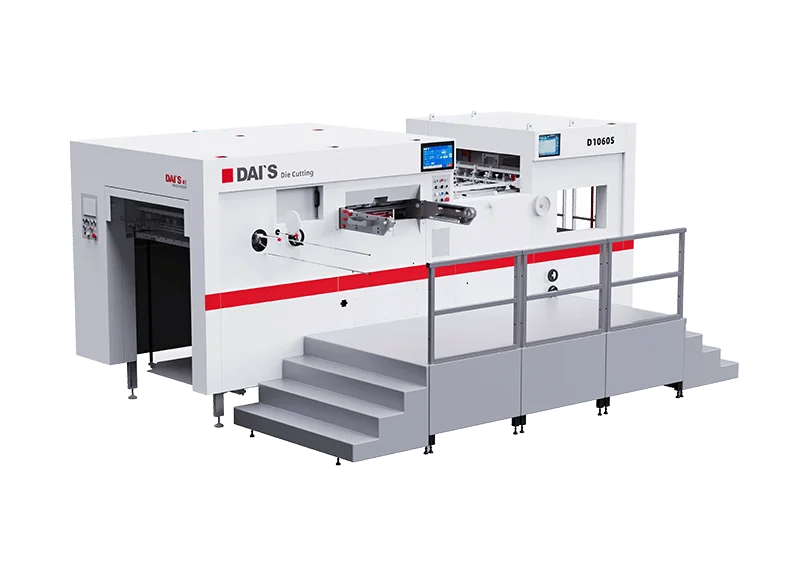
Being a specialist of machinery and having worked in the company as staff at the DAIS Printing Machinery Co., Ltd. I have been able to troubleshoot numerous die cutting issues in printing and packing plants in China and the rest of the world, so we have experienced the effect of factors such as wrong cutting or poor edges that stop production lines, wasted materials, and annoyed operators. The major causes of die cutting problems are improper pressure, dull cutting rules, poor registration, plates that are worn out or incorrect machine setup. These glitches in platen die cutters, automatic die cutters, rotary systems or creasing machines are commonly a result of neglected maintenance or ill-matched settings.
Die cutting problems are most regularly classified as incorrect cutting / bad registration, broken or smashed edges, uneven cutting force, missing cutting or excessively cutting, the removal of waste stripping failures, misalignment of dies, material bending or rolling, and even foil stamping failures in built in lines. The quick fixes are usually related to the pressure, sharpening of the rules, or recalibration of registration. Begin with safety to troubleshoot die cutting: Before making any adjustments, always turn it off. When factories solve these early, they will be able to spend minimal time out of business, and also production will be done in high quality to be used in packaging, such as boxes, labels and cartons.
In this guide, I will be basing on practical experiences of real factory floors where we have solved such problems on behalf of clients and die cutting problems and solutions will be practical and effective.
Problem: Inaccurate Cutting or Registration Errors
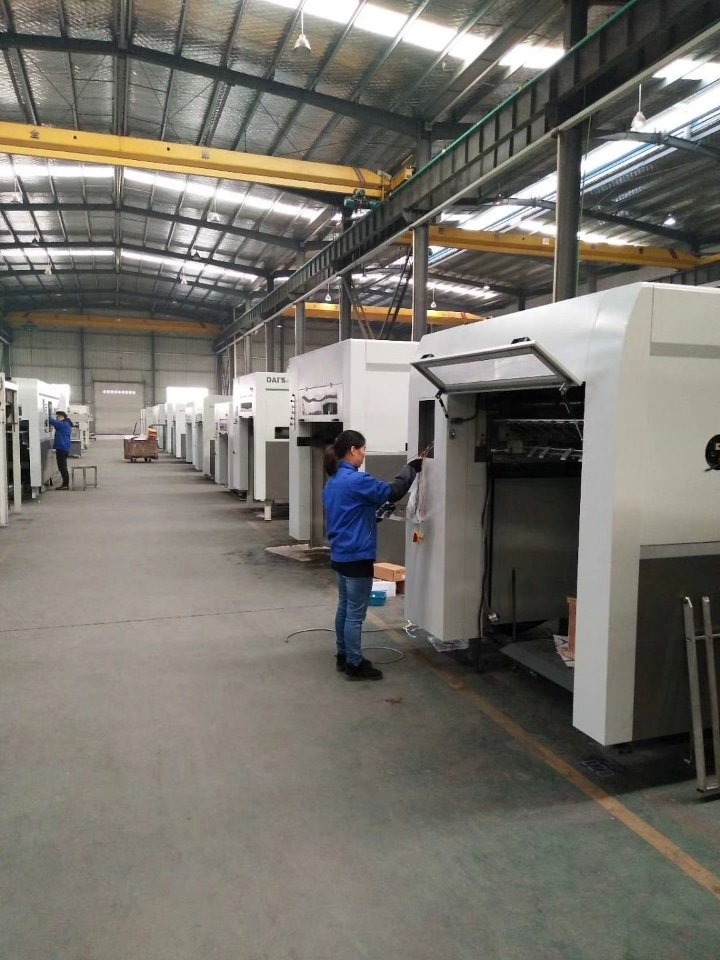
Causes:
- Misplaced alignment of the feeders and resulting in sheets moving when entering.
- Registration marks on dies or sensors that are not working.
- Unacceptable die mounting leading to chase offsets.
- Free clamping with movement under pressure.
- Unbalanced machine vibration.
Solutions/Fixes:
- Align front/side lays so that sheets are perfectly aligned–check with a test sheet.
- Register sensors again through the touch-screen interface on the machine.
- Hook die chase clamp firmly in place using a torque wrench.
- Check feeder suction and alignment, cleaning nozzles (where blocked).
- Minimize the vibration of machines by fastening base bolts and inspecting bearings.
- Reduce machine vibration by securing base bolts and checking bearings.
Prevention Tips:
- Calibration on a regular basis (shift to shift or material change).
- Plates with high quality and durable registration characteristics should be used.
- Make sure the feeding is stable through air pressure monitoring and sheet quality.
In our DAIS installations, die cutting registration problems are solved by a simple sensor clean saving hours of rework.
Problem: Cracked, Crushed, or Frayed Edges
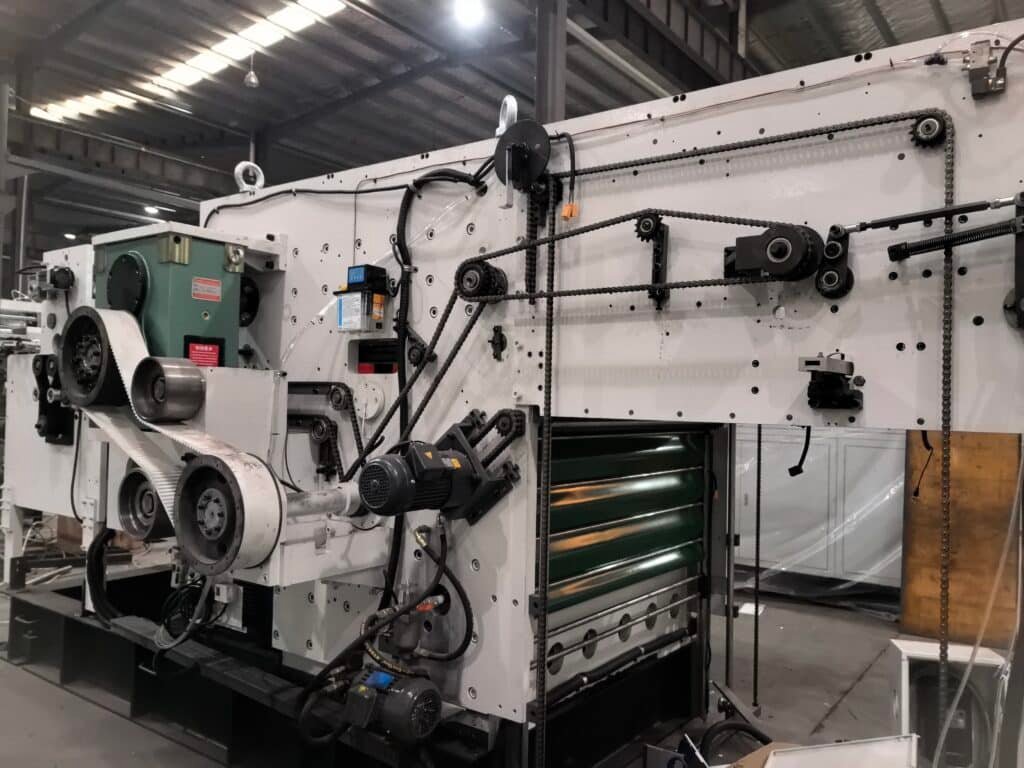
Causes:
- Excessive pressure of cutting which is squeezing the material too hard.
- Wrong die height not in line with substrate thickness.
- Poorly stored materials have resulted in inconsistent board thickness.
- Ugly cutting regulations cut and not slice.
Solutions/Fixes:
- Slowly decrease pressure – 10 percent less than maximum; experiment.
- modify die height or packing sheets accordingly.
- Substitute cutting regulations with exquisite, high-carbon steel regulations.
- Better supported on different thicknesses with crease matrix.
Prevention Tips:
- High-quality materials with the same caliper are to be used.
- Measuring the check pressure daily either with a gauge or test cuts.
Die cut crushed edges are typical of corrugated runs, I have repurposed them in food packaging lines by just changing to softer creasing channels.
Problem: Incomplete Cutting (Not Cutting Through)
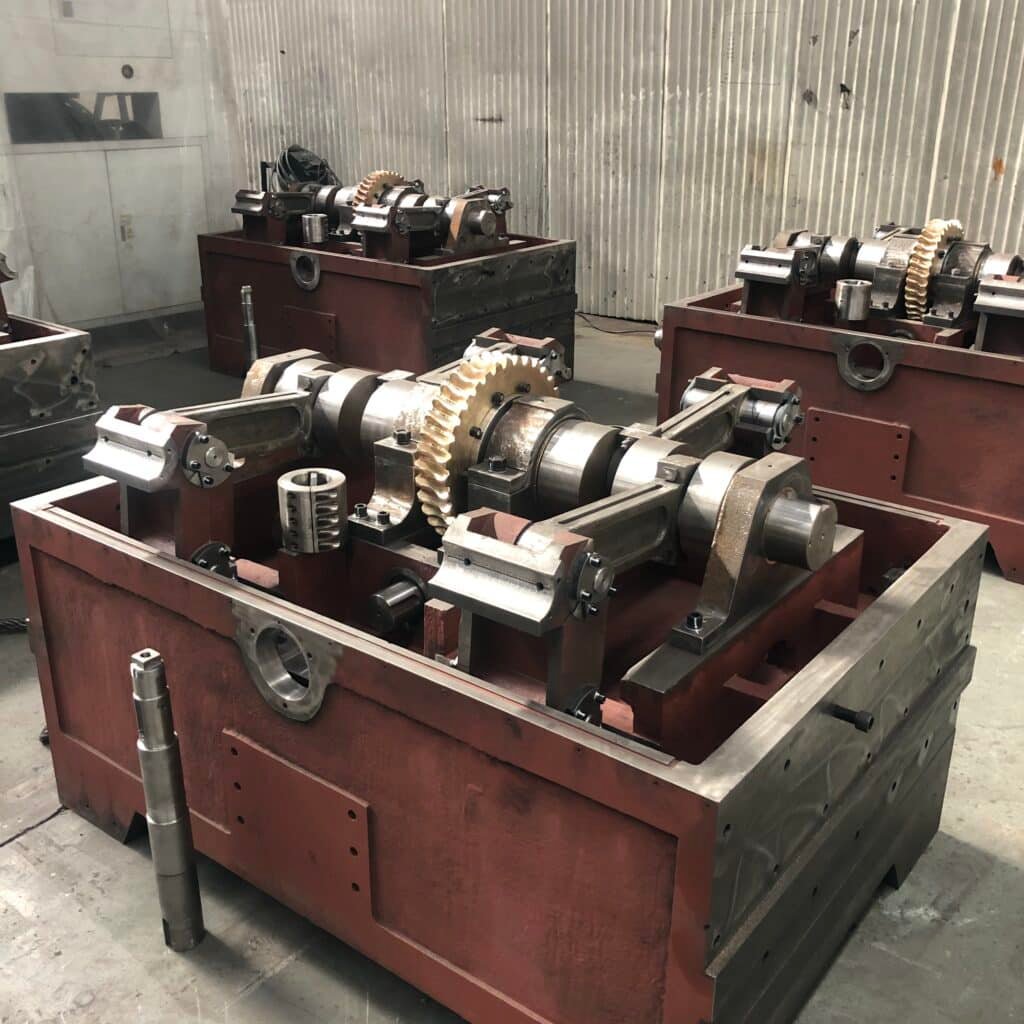
Causes:
- Lack of enough pressure on thick materials such as grayboard.
- Blunt blades or rules that cut out of shape.
- Lop-sided wear or debris cutting.
- Torn cutting plate absorbing unevenly.
Solutions/Fixes:
- Apply more pressure slowly and watch out for overcut.
- Substitute cutting regulations and sharpen backups on a regular basis.
- Even out the chase by scraping it and shinning down the dales.
- Rework the cutting plate with flat contact.
Prevention Tips:
- The inspection of tools each day nicked or dull.
- Check the wear of the cutting plates and rotate where possible.
In die not cutting through, factories with our platen die cutters usually do not pay much attention to plate wear- it takes only a flip to get several more months of life.
Problem: Overcutting (Cutting Too Deep)
Causes:
- Too much pressure pushing backing layers.
- Wrong rule excessively high.
- Uneven compressing of the improper packing material.
Solutions/Fixes:
- Immediately reduce pressure so as not to destroy the machine.
- Adjustment of the substrate-appropriate regulations of change.
- Even distribution Use make-ready sheets such as thin mylar.
Prevention Tips:
- Regular material testing prior to full production.
- Training on pressure limits of the operators.
This is reflected in incomplete die cut troubleshooting this is because in rotary systems, overcutting destroys rolls–dial back pressure according to caliper measurements.
Problem: Uneven Cutting Pressure
Causes:
- Bearing that is worn, making the press play.
- Impactual damage of the platen or chase.
- Sheets with unevenness in the form of high/low spots.
- Wrong setting of pressure in the entire bed.
Solutions/Fixes:
- Check balances and replenish in case of surplus movement.
- Remanufacture or upgrade platen components to be flat.
- Refill the chase with evenly spaced uniform sheets.
- Rebuild pressure with inbuilt gauges.
Prevention Tips:
- Maintenance programs on a regular basis.
- Use standard packing materials of reputed suppliers.
Problems of die cutting pressure are common with older machines; in our automatic die cutters we have auto-leveling, but the problem of uneven pressure cannot be troubleshooted with manual checks.
Problem: Waste Stripping Failure
Causes:
- Wrong stripping pins that are not corresponding.
- Low air pressure stripping force.
- Crash stripping board movement during cycles.
- Fibers of material which are too strong to separate.
Solutions/Fixes:
- Align pins of stripping with areas of waste.
- Enhance stripping pressure through controls.
- Position board as guides.
- Bend fiber or crease direction to make easier in breaking.
Prevention Tips:
- Periodical checks of set-ups of stripping prior to a run.
- Use the best stripping instruments such as rubber grippers.
High-speed lines waste stripping die cutting: I had problems with stripping units, which are solved by replacing them with servo-driven units to provide accuracy.
Problem: Material Warping or Curling
Causes:
- Sheets deformed by excessive pressure.
- Problems with humidity that result in lack of moisture.
- Feeders with imbalance of tension in materials.
- Wrong creasing matrix without bends.
Solutions/Fixes:
- Minimize pressure to low levels of effectiveness.
- Dehumidifiers in the plant.
- Alter profiled crease to broader channels.
- Apply anti-warping measures such as reverse creasing.
Prevention Tips:
- Keep material in climatic-controlled locations.
- Keep an eye on climate on a daily basis.
This occurs in cracking of paper during die cutting; most of them can be stopped by keeping the paper at 50% humidity as recommended by DAIS.
Problem: Die Misalignment or Loose Tooling
Causes:
- Mounting points that have been worn out due to frequent use.
- Free vibrating loose locking screws.
- Installation mistakes by operators such as lack of equal torque.
Solutions/Fixes:
- Check all fasteners to given torque.
- Wear check die chase condition.
- Installation: Before reinstalling, follow manuals.
Prevention Tips:
- Periodic check of mounting products.
- Training operators on set up.
Any issues of die alignment may result in bigger problems; tooling security is not complicated but neglected.
Expert Checklist + Conclusion
Apply this checklist in the troubleshooting process:
- Sample sheet daily cutting pressure test.
- Blade/rule condition/ sharpness check.
- Die mounting check of tightness.
- Test run alignment/ registration test.
- To smooth intake feeder calibration.
- Moisture test material using hygrometers.
- Flatness evaluation of plates by cutting.
- Eliminating unit set-up inspection prior to operation.
- Guidelines and refreshers of operator training.
The pressure, tooling and alignment issues are some of the major causes of die cutting problems. Through adequate set up, maintenance and troubleshooting procedures, the factories can greatly decrease downtime and enhance consistency in packaging production. These practices have assisted our clients to reduce rejects by 25 percent at DAIS- call in and we will give you specific recommendations regarding your line.