

Servo-driven paper cutting machines are high-precision automation tools that incorporate servo motors and sophisticated motion control algorithms to achieve precise positioning, repeatable cutting cycles and predictable performance. Unlike conventional paper cutting machines that are driven by mechanical and hydraulic controls, servo-driven paper cutters use digital control and high-response motors to deliver tighter tolerances, increased productivity, and greater operational versatility. In the printing and packaging market, these machines are increasingly critical due to the demand for both increased speed and virtually error-free operation in an environment of shorter print runs and shorter lead times.
To many customers, “servo-driven” equals “fast”. But the real value of servo technology is as much in positioning accuracy, repeatability and advanced motion control. The true power of servo-driven paper cutting machines is the ability to combine precision, speed and automation to achieve repeatable results that are often impossible with other types of machines.
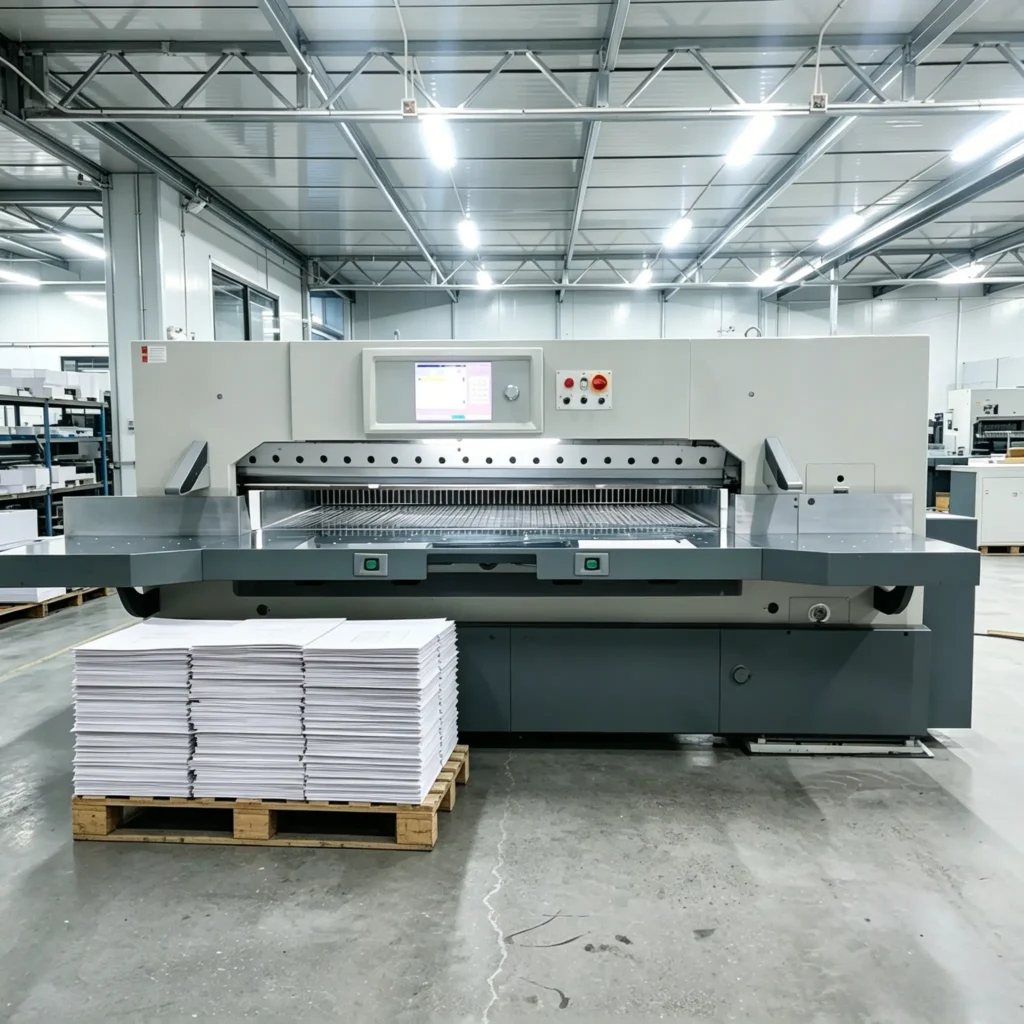
A servo-driven paper cutting machine is an industrial paper cutter that uses servo motors to enable position feedback for precise control of the back gauge, knife travel and paper feed. It uses electric servo motors, which supplement or replace traditional hydromechanical drives.
The control system is able to react to position feedback from encoders, adjusting the servo motors in real time. This enables much higher accuracy and responsiveness than non-feedback conventional systems.
| System Element | Function | Benefit |
| Servo Motor | Precision movement | Higher accuracy |
| Motion Control System | Coordinates positioning | Repeatability |
| Control Interface | Programming operation | Efficiency |
| Drive System | Controlled cutting cycles | Productivity |
How Servo-Driven Paper Cutting Machines Work
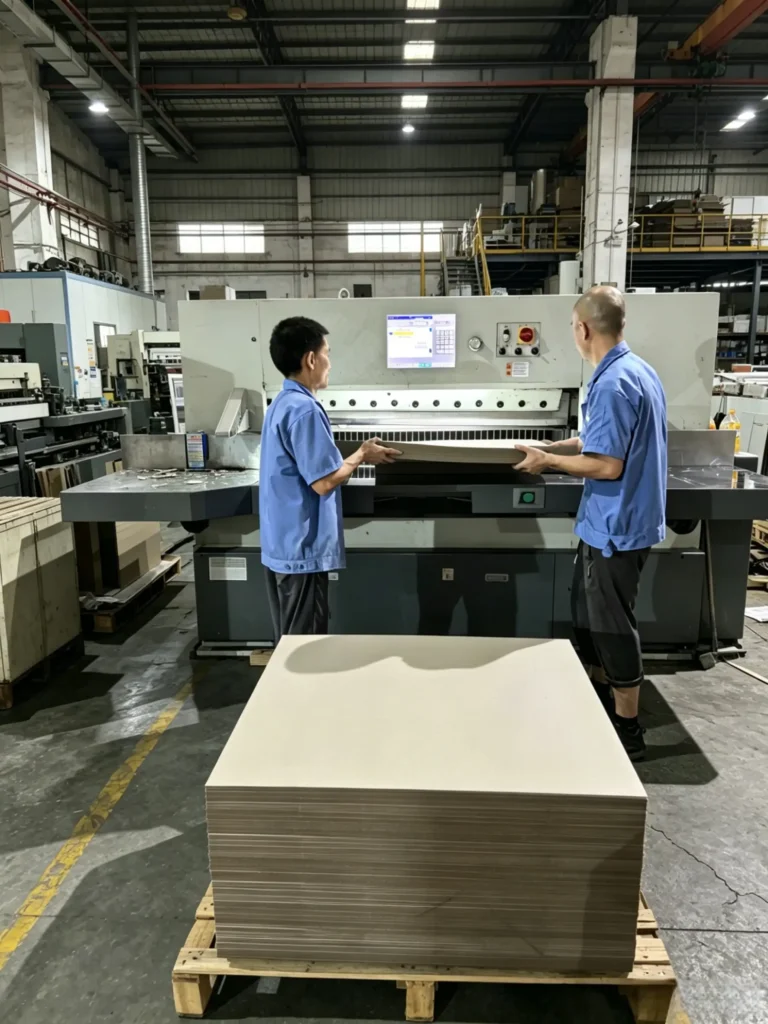
The key to the high-quality performance of servo-driven paper cutting machines is coordinated, programmable motion.
The job starts with the operator (or automated system) entering the job parameters. The servo-driven back gauge positions itself to within sub-millimeter accuracy. The servo-controlled knife then moves down at a controlled pace and pressure. Once cut, the next position is automatically calculated and the cycle repeats until a complex multi-cut job is complete.
| Process Step | Servo Role | Performance Benefit |
| Positioning | Precise movement | Accuracy |
| Cutting cycle | Controlled timing | Consistency |
| Repeat jobs | Programmed repeatability | Efficiency |
| Adjustments | Fast response | Flexibility |
Key Advantages of Servo-Driven Paper Cutting Machines
The benefits of servo-driven paper cutters are due to the inherent capabilities of the closed-loop servo system, rather than merely mechanical improvements.
Higher Positioning Accuracy
Servo systems can achieve positioning accuracy of ±0.1 mm or less. This enables converters to work within very tight tolerances on high-margin products like luxury carton board, labels and special packaging products. Lower variance results in fewer scrap sheets and more uniform products.
Greater Production Efficiency
Quick setup and minimal downtime between cuts allow more work to be done in the same time. Servo motors allow smooth acceleration and deceleration without vibration, allowing faster speeds while maintaining quality. Typical increases in productivity range from 15-30% for various jobs.
Better Repeatability
Once a job is set up, servo-driven paper cutting machines can cut the exact same pattern hundreds or thousands of times with the same results. This is particularly important for large production runs or when jobs return weeks or months later.
Lower Material Waste
Accurate positioning and vibration-free cutting jobs need minimal edge trims and miscuts. Over the long term, this can save significant amounts of material, especially for high-cost substrates.
Smarter Automation Capability
Today’s servo systems are readily networked with the factory, allowing data to be gathered, remotely monitored, and connected to upstream feeders or downstream stackers. This means they are smart factory-ready.
| Advantage | Operational Benefit |
| Precision | Better cut quality |
| Efficiency | Higher output |
| Repeatability | Consistency |
| Lower waste | Cost savings |
| Automation | Workflow improvement |
Servo-Driven vs Conventional Paper Cutting Machines
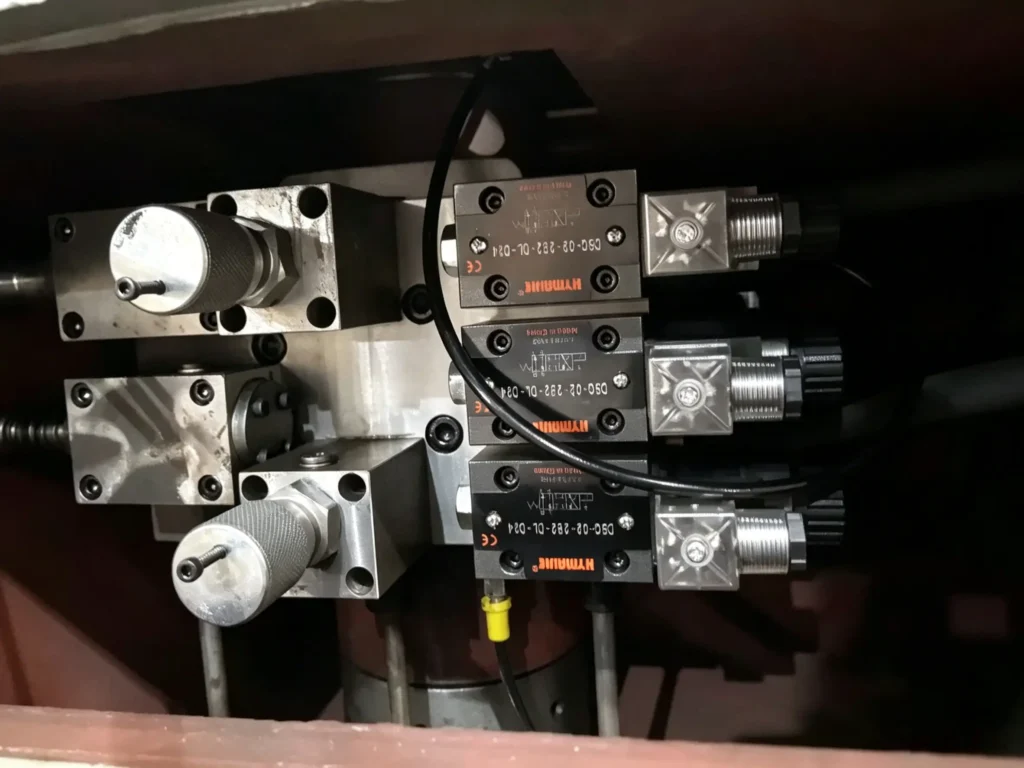
Traditional paper cutting machines, manual, hydraulic and simple motor-driven, are based on mechanical stops, hydraulic pressure or simpler motor drives. They may be efficient for simple tasks but are generally missing the dynamic responsiveness and feedback of servos.
| Feature | Conventional Machines | Servo-Driven Machines |
| Positioning Accuracy | Standard | Higher |
| Repeatability | Moderate | Excellent |
| Automation | Limited | Advanced |
| Setup Efficiency | Lower | Higher |
| Productivity | Moderate | Higher |
The above comparison highlights that servo-driven machines are ideal in applications where precision and repeatability are critical, while traditional machines could still be used for less complex low volume applications.
Applications Where Servo-Driven Paper Cutting Machines Excel
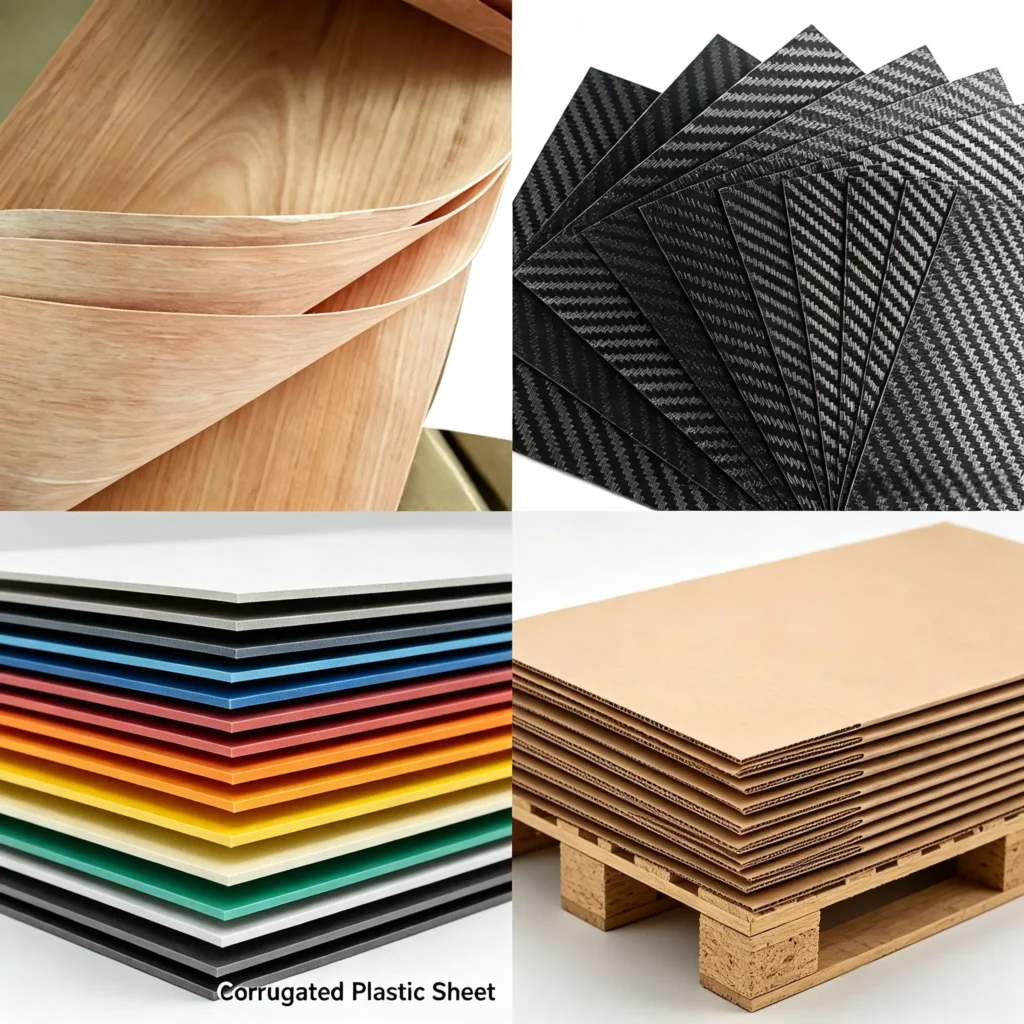
Servo-driven paper cutting machines are the ideal choice for applications that are both high-volume and high-precision.
| Application | Why Servo Technology Fits |
| High-volume printing | Productivity |
| Folding carton production | Precision |
| Label and specialty packaging | Tight tolerances |
| Large-format cutting | Positioning control |
| Repeat production jobs | Automation advantage |
Folding carton production lines gain from quick back gauge adjustments. Label industry users value the capability to fold thin, lightweight materials without rips and misreg.. Web-based jobs benefit from controlled and accurate movement on large sheets. Alternatively, low-volume job shops with straight cuts may not make full use of this technology.
When Does Investing in Servo-Driven Technology Make Sense?
Servo-driven paper cutting machines are best justified when existing equipment can’t keep up with production.
The best cases are high-volume production, businesses producing precision-sensitive products (such as pharmaceuticals or premium packaging), factories with a need to reduce direct labor, and businesses with a long-term view on automation. Low-volume shops may not experience immediate returns, while growing and large industrial manufacturers are likely to see high ROI.
| Business Scenario | Servo-Driven Fit |
| Small low-volume shops | Limited need |
| Growing converters | Strong fit |
| Large industrial plants | Excellent fit |
| Precision-focused applications | Strong fit |
Key Specifications to Evaluate in Servo-Driven Paper Cutters
For servo-driven machines, key specifications are those that affect performance in your application.
| Specification | Why It Matters |
| Positioning accuracy | Precision |
| Servo response | Performance |
| Automation controls | Efficiency |
| Capacity | Production fit |
| Integration readiness | Future scalability |
Choose servo motors with high torque and response speed, intuitive and powerful user interfaces, adequate program memory for jobs, and open architecture for integration.
Common Misconceptions About Servo-Driven Paper Cutting Machines
- “Servo equals higher speed only” – Servo isn’t just about speed; repeatability and accuracy are often more valuable.
- “Servo only applies to big factories” – Mid-sized converters with repeat or precision needs also reap benefits.
- “Increased automation equals increased complexity” – New UIs have made machines simpler to use and more capable.
- “All servo-driven machines are equally responsive” – Motor and control performance, and machine rigidity, vary considerably.
Potential Limitations Buyers Should Understand
Weighing all aspects is important.
Servo-based machines generally have a higher initial cost. Training can be required for operators and technicians familiar with traditional systems. It may not be the best choice for all jobs: simple, low-precision, or low-volume processing may not provide sufficient return on investment.
| Consideration | Why It Matters |
| Higher upfront cost | Budget impact |
| Training requirements | Adoption factor |
| Application fit | ROI relevance |
Future Trends in Servo-Driven Paper Cutting Technology
Servo technology for paper cutting is moving in the direction of Industry 4.0. Prepare for greater adoption of predictive maintenance via sensor monitoring, even faster precision control, more energy efficient servo systems, and complete integration with plant management software systems. These trends will continue to add value to the use of servo technology for smart manufacturing.
Conclusion — Servo Technology Adds Value Through Precision and Automation
Paper cutting machines with servo-driven technology provide the most value when manufacturing needs call for a balance of precision, speed, repeatability and scalable automation, not just an increase in cutting speed. When considering equipment investments for printing and packaging manufacturers, the choice should be made based on production requirements, not vendor hype. When properly matched to the task, servo-driven technology is a proven investment in more dependable, efficient and productive manufacturing.