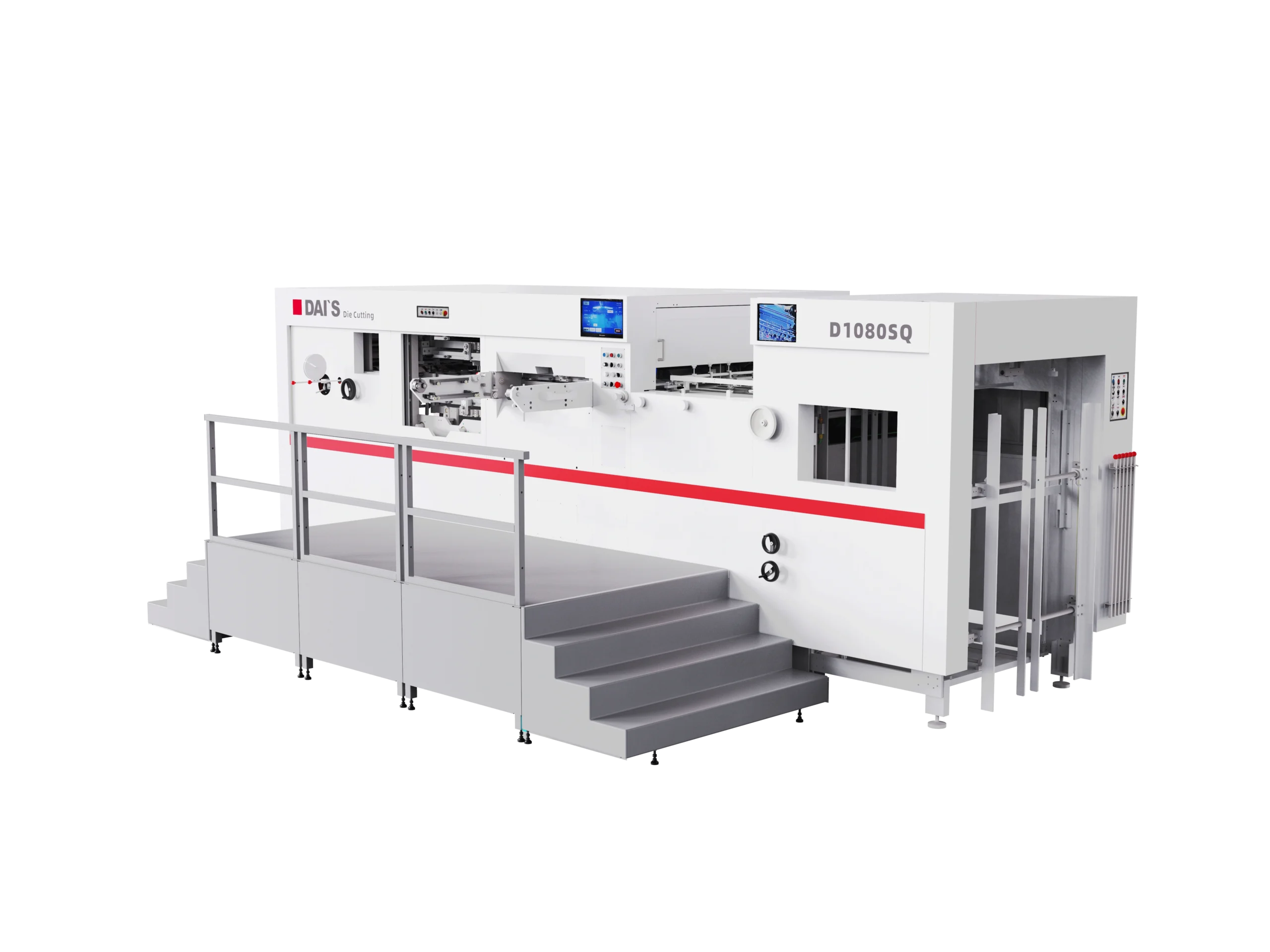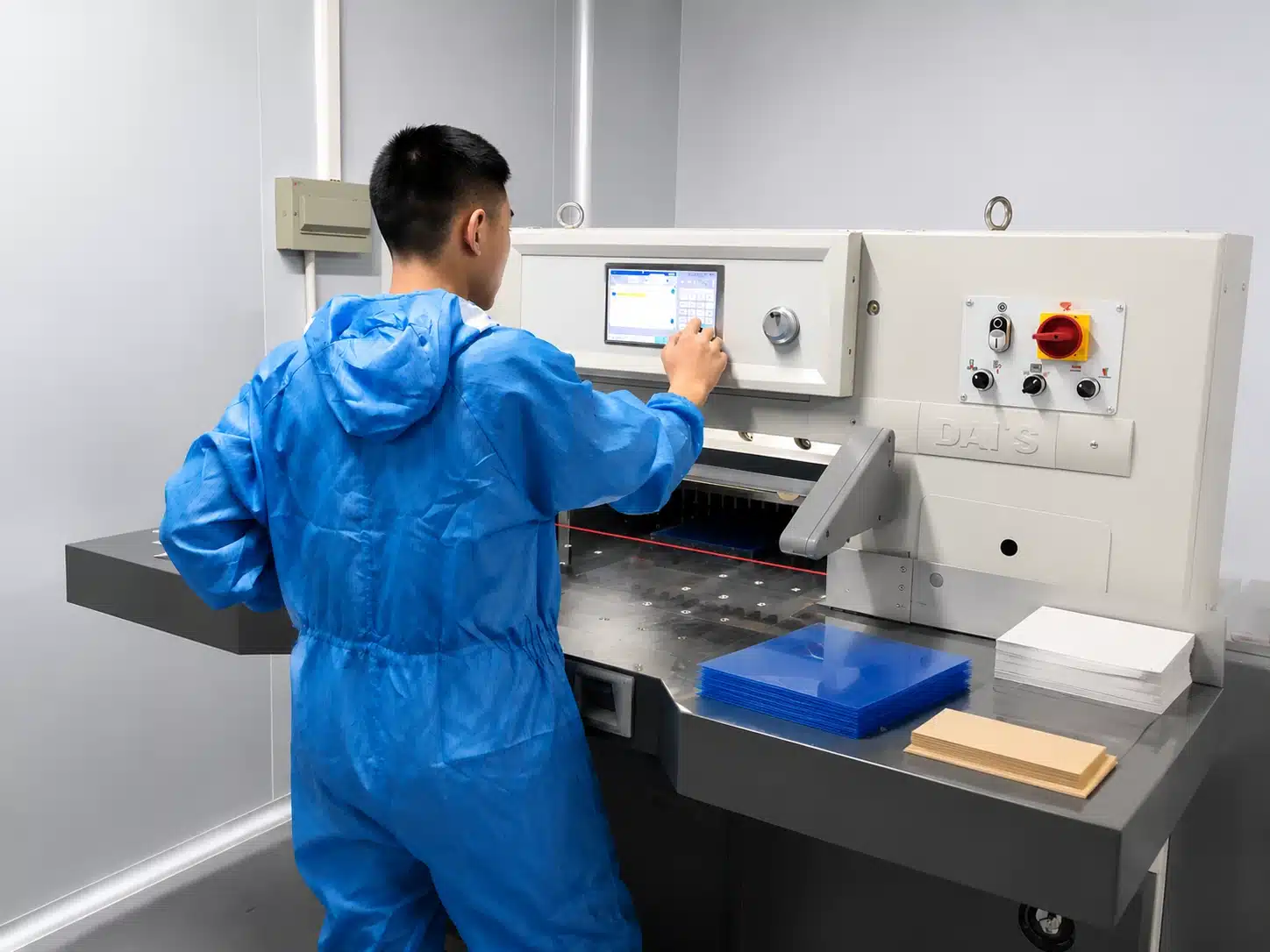
A paper cutting machine is a type of industrial machine used to accurately and precisely cut many sheets of paper, cardboard or other sheet stock at once. It is the first step in the printing and packaging processes, converting raw stock into sheets of the correct size for printing, die-cutting, folding or assembly.
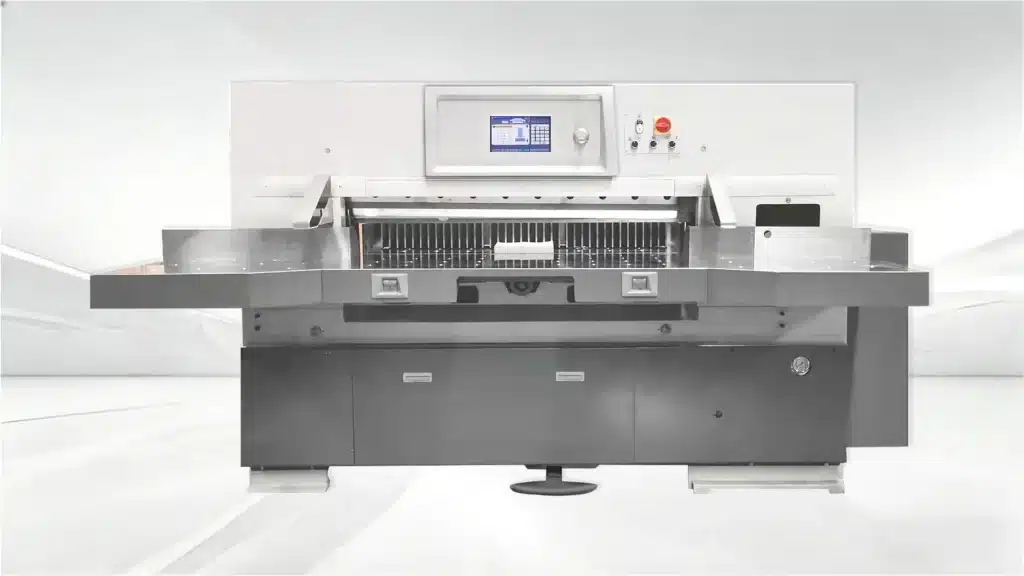
It is easy for newbies to think of a paper cutting machine as a cutting tool, but in fact it is a precision engineered industrial system, capable of high-speed, high-accuracy manufacturing. A properly designed paper cutting machine helps maintain cutting accuracy, minimise waste and enhance productivity in an industrial setting.
A paper cutting machine is more than a simple tool for cutting paper; it is an essential piece of production equipment that impacts accuracy, efficiency, material waste and overall production consistency.
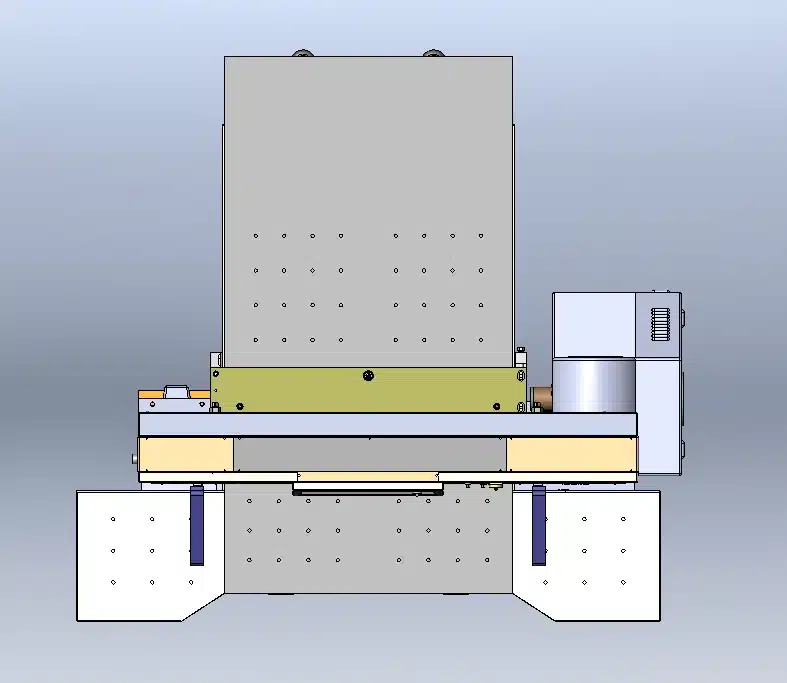
What Is a Paper Cutting Machine and How Does It Work
To understand why paper cutting machines do much more than simple trimming, production personnel need to know how they operate. The basic components of the machine are a robust cutting blade, an adjustable back gauge, a pressure clamp (normally driven by hydraulics or air) and a control panel that orchestrates the process.
To start, the operator (or automatic feeder) feeds a stack of material onto the back gauge. The pressure clamp moves down to secure the stack and prevent any movement. The blade then drops down at an angle and speed, cutting through the stack in a single pass. In servo-driven systems, all settings – including the back gauge position, pressure of the clamp, and angle of the cutting blade – are electronically controlled to achieve repeatability of 0.1 mm over many thousands of cuts.
This is in contrast to the traditional method, where the operator uses their eyes, hand wheel, and muscle. Mechanical automation eliminates operator variability, fatigue and increases productivity. Thanks to servo motors and programmable logic controllers (PLCs), operators can program a cutting sequence, store it, and retrieve it with the click of a button to get the same high-quality result every time.
| Component | Function | Impact on Production |
| Cutting Blade | Performs cutting action | Determines cut quality |
| Back Gauge | Positions paper stack | Ensures accuracy |
| Pressure Clamp | Holds material | Prevents shifting |
| Control System | Operates machine | Improves efficiency |
Types of Paper Cutting Machines
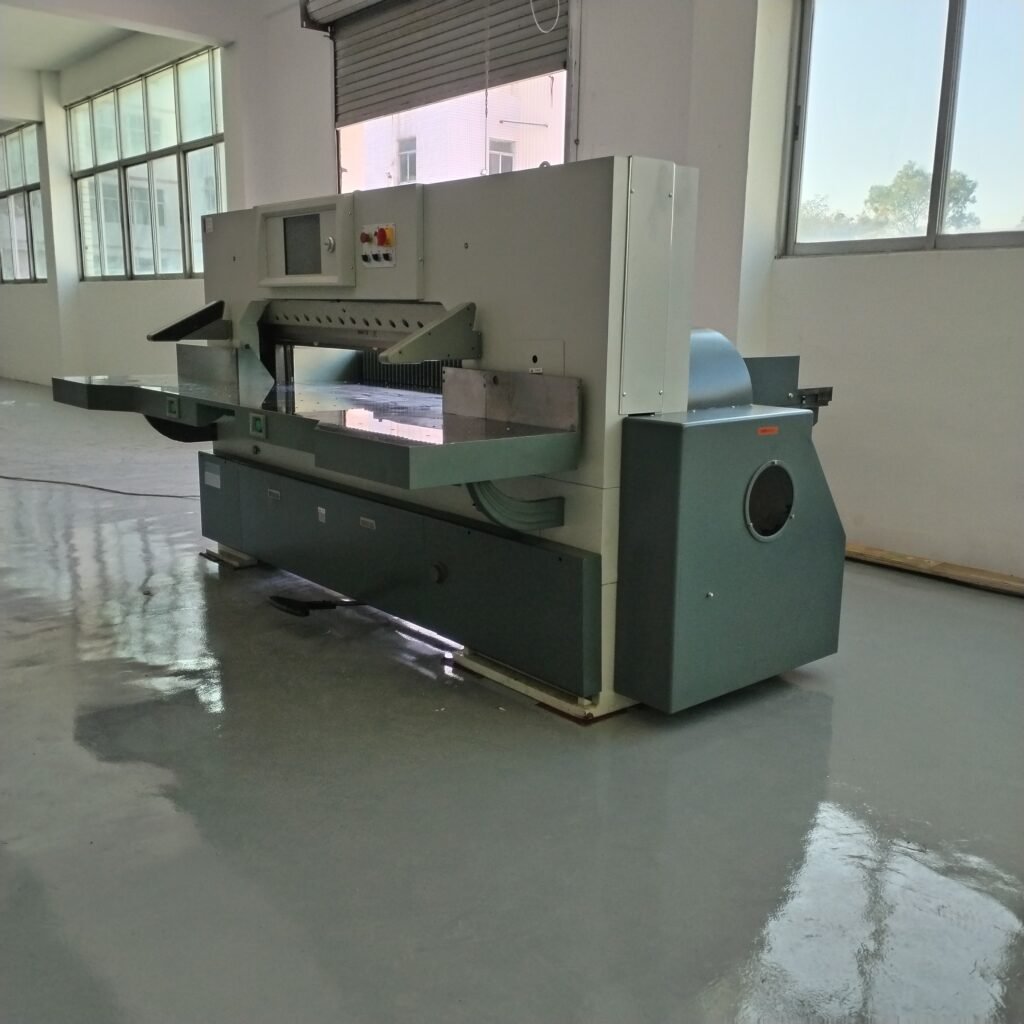
The type of paper cutting machine you need to choose will be determined by your production volume, tolerance requirements and degree of automation you already have on the shop floor. These machines are typically classified into three categories, according to their automation level and typical application.
Manual paper cutting machines are still used in small shops or for certain specialty applications. They are simple, cheap and low maintenance but require a lot of operator involvement and are slow and not very accurate.
Semi-automatic paper cutters are a compromise. They typically have motorised back gauge movement and hydraulic clamps but still require manual activation of each cut. These are ideal for mid-sized printing companies that require quicker set-up than manual cutters but are not yet operating non-stop.
Industrial paper cutting machines (servo-driven) are fully automatic. They feature programmable logic controllers, touch screens and high-torque servo motors that they use to cut automatically, often with automatic loaders and unloaders. These machines offer the speed and accuracy required by high-speed packaging converters.
| Machine Type | Best For | Key Features |
| Manual | Small workshops | Low cost, simple operation |
| Semi-Automatic | Medium production | Partial automation |
| Fully Automatic | Industrial production | High precision, high speed |
Applications of Paper Cutting Machines Across Industries
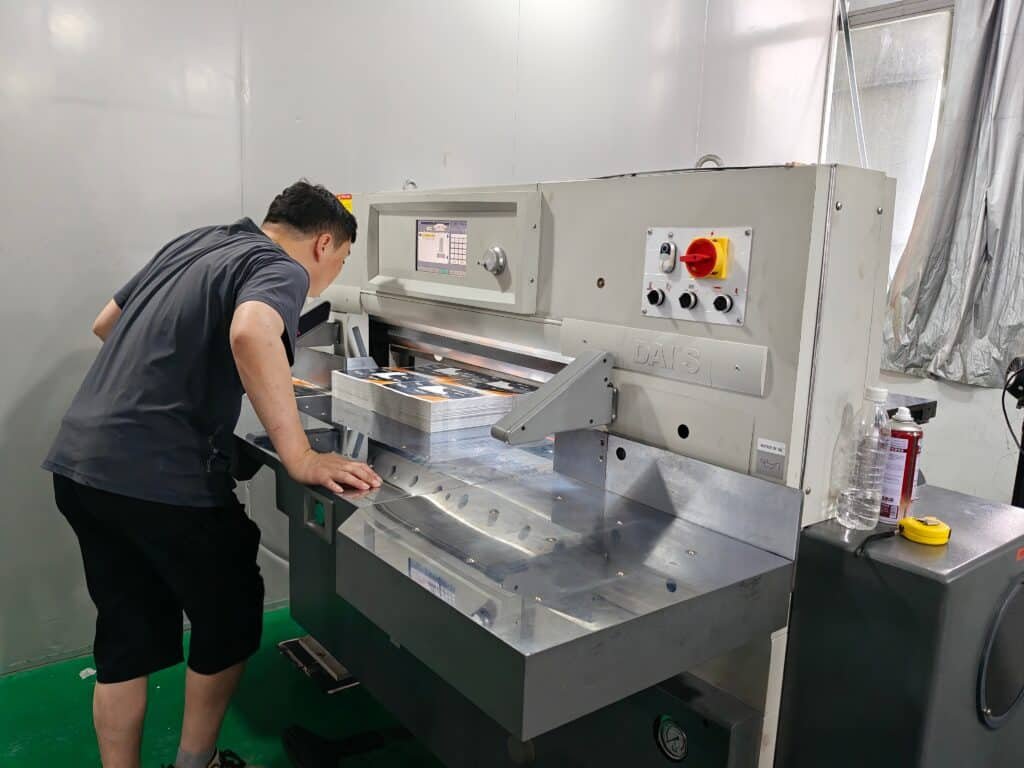
Paper cutting machines are more than just paper cutters. They were initially developed for the printing industry, but are now used to cut a wide range of materials, including fine art paper, corrugated board, and non-paper materials.
In printing and packaging, the cutter machines trim printed sheets to size before further processing in folding or die-cutting operations. In paper processing factories, they transform large parent rolls to sheet form. Carton and label manufacturers rely on precision cutters to produce consistent blanks for high-speed flexo- or offset printing. Even companies that work with plastic sheets or other composites rely on industrial paper cutters to produce square edges for subsequent lamination or assembly.
| Industry | Application | Benefit |
| Printing | Sheet trimming | Clean edges |
| Packaging | Carton cutting | Accuracy |
| Labels | Precision cuts | Consistency |
| Industrial materials | Composite cutting | Versatility |
Key Benefits of Using a Paper Cutting Machine
Manufacturing managers look for improvements in speed, quality and cost when they consider new equipment. The right paper cutting machine provides all three.
Consistency and accuracy first. Contemporary servo-driven machines have tolerances that manual cutting cannot deliver, removing the need to re-cut sheets. Greater productivity is the next logical step: now an operator can produce many times more product in a given time period. Lower reliance on human operators allows better utilization of skilled trades, while the reduction in material waste (typically 3-5 % less, due to improved nesting and cutting accuracy) also flows through to the bottom line.
| Benefit | Description | Business Impact |
| Precision | Accurate cutting | Less rework |
| Efficiency | Faster output | Higher productivity |
| Automation | Reduced manual work | Labor savings |
| Material Optimization | Less waste | Cost reduction |
Paper Cutting Machine vs Traditional Cutting Methods
The difference between a paper cutting machine and traditional manual or guillotine cutting explains why manufacturing facilities are increasingly modernising.
Hand cutting remains an option for small quantities, but it’s less efficient for larger volumes. Precision is poor, it’s slow, the labour input remains high, and results fluctuate depending on fatigue. By comparison, a well-maintained industrial paper cutter is highly accurate, fast, low in labor, and consistent for hours.
| Factor | Manual Cutting | Machine Cutting |
| Accuracy | Low | High |
| Speed | Slow | Fast |
| Labor | High | Low |
| Consistency | Variable | Stable |
Key Factors That Affect Cutting Performance
The best paper cutting machine is only as good as the men and women who operate and maintain it. Four factors are consistently responsible for performance: blade quality and service, machine stability, control system precision, and operator competence.
A sharp, well-aligned blade provides clean cuts without fiber compression. Stability, particularly in cast-iron machines, avoids wavy cuts. A control system that can accurately set the back gauge within 0.05 mm and hold that setting every time can impact yield. And finally, an operator who knows how to work with specific materials, program the machine to produce the best results and operate it safely, unlocks all of its potential.
| Factor | Influence | Result |
| Blade Sharpness | Cutting quality | Clean edges |
| Machine Stability | Vibration control | Precision |
| Automation Level | Control accuracy | Efficiency |
| Operator Skill | Setup accuracy | Consistency |
Common Mistakes When Understanding Paper Cutting Machines
These are some of the pitfalls that professionals can sometimes fall into when using or specifying paper cutting machines:
- Underestimating precision differences and believing all machines are equally precise.
- Failing to consider automation differences and opting for the cheapest.
- Ignoring maintenance – particularly blade and hydraulic system service.
- Buying based on price, not matching machines to production needs and capacity.
Conclusion — Why Paper Cutting Machines Are Essential in Modern Production
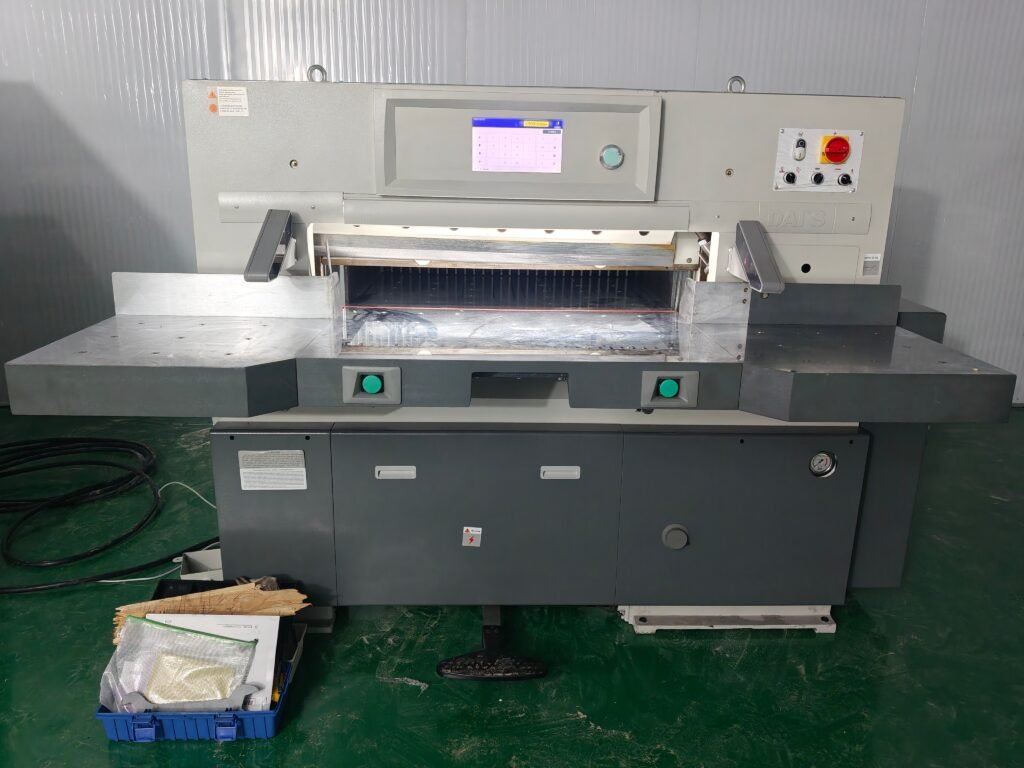
Today’s paper cutting machines are more than just cutters – they are critical production resources that define precision, productivity and quality in printing and packaging operations. They combine accuracy, speed and automation to align with both lean production and consumer demands for faster turnaround times and finer tolerances.
For manufacturers seeking to increase production volumes and minimise costs, spending time to learn the technology behind paper cutting machines is not a luxury – it is a business imperative. The correct machine, seamlessly fitted into your production process, becomes one of the best investments you can make in terms of return on investment, working automatically to give you a competitive edge.