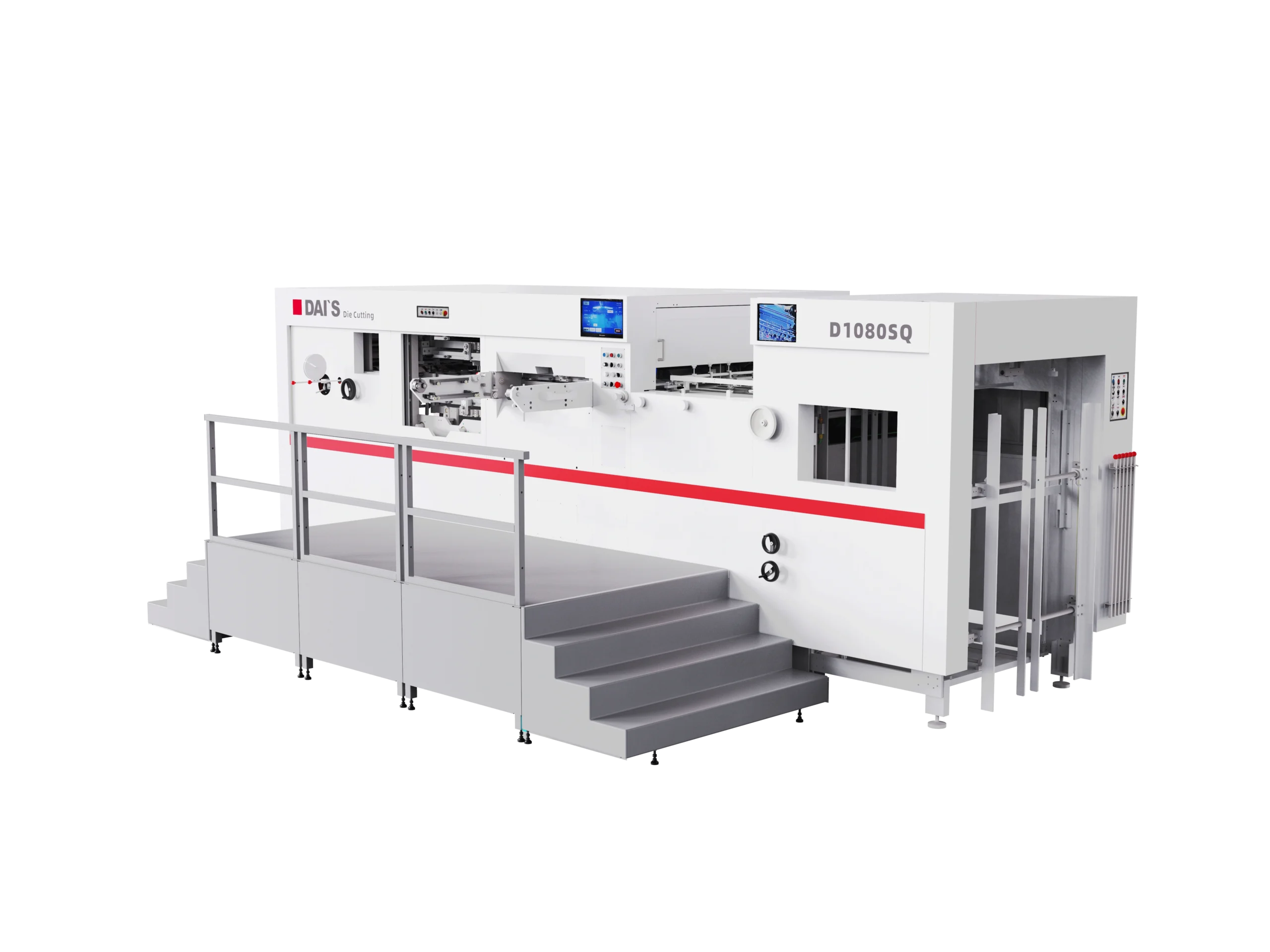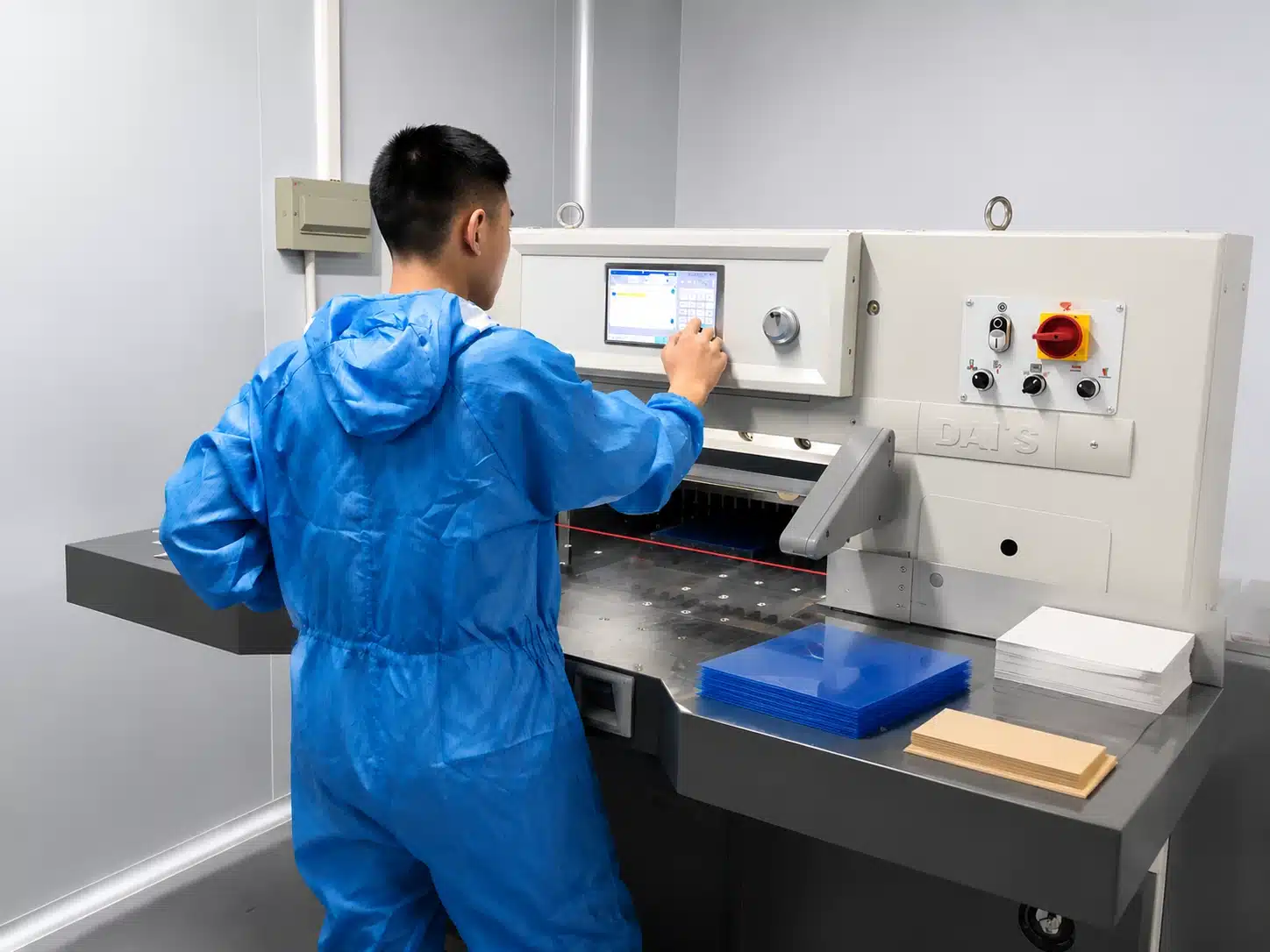
An automatic laminating machine is a fully automated industrial machine that lamines printed paper sheets to plastic film, paperboard or other base materials to produce a cohesive product. It is used in packaging and printing plants to automatically process sheets from loading to stacking without operator attention.
Automatic laminating machines are not simply finishing equipment, they are essential components of the production process that significantly impact product quality, speed and consistency of manufacturing in the packaging industry.
It’s a common misconception among beginners that laminating is only for decoration, but in reality, it’s a vital element of product protection, structural integrity and efficiency of production. Automatic laminating machines play a vital role in maintaining adherence, quality, speed, and efficiency in commercial printing and packaging production.
What Does an Automatic Laminating Machine Do in Production?
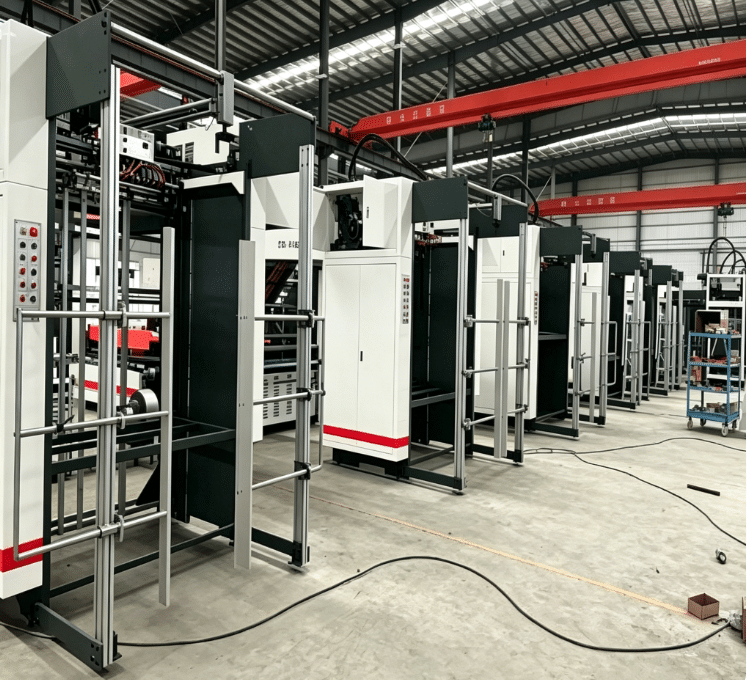
The automatic laminating machine is the binding powerhouse in large-scale packaging production, converting sheets of printed material and other substrates into robust, bonded, laminated products for subsequent die-cutting, folding or packaging.
On the production floor, the machine continuously supplies printed sheets, dispenses adhesive, accurately registers the layers, and applies pressure to bond them together. This is critical in high-volume production, where any bonding variability can cause product waste, rework or customer returns. The machine is designed to fit into comprehensive packaging processes, whether it’s making cardboard boxes or producing high-end cartons.
| Function | Description | Production Impact |
| Sheet bonding | Combines printed sheets with substrate | Improves strength |
| Surface protection | Adds film layer | Enhances durability |
| Visual enhancement | Gloss/matte finish | Improves appearance |
| Production automation | Reduces manual work | Increases efficiency |
How Does an Automatic Laminating Machine Work?
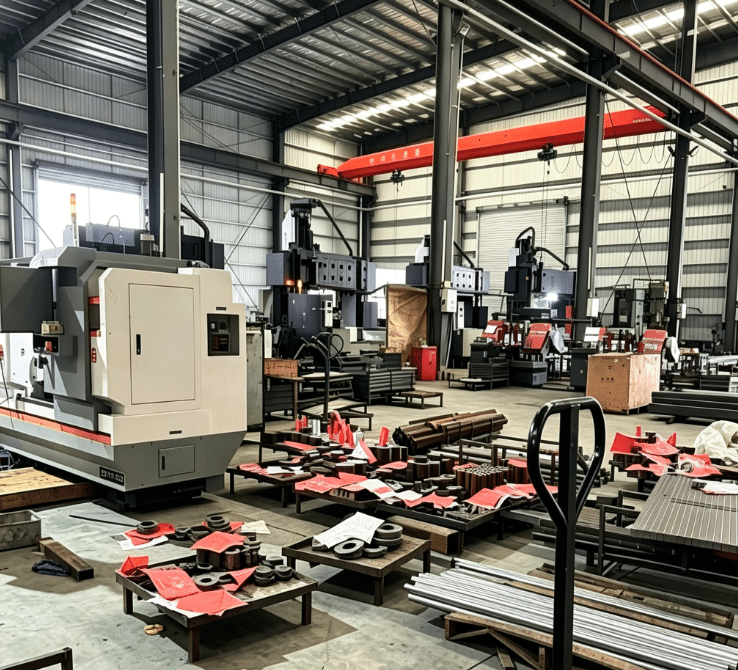
Automatic laminating machines work through a coordinated and servo-controlled process, which allows for consistent and accurate high-speed performance making the laminating machine working principle easy to understand but technically challenging.
The sequence starts when the operator feeds stacks of sheets to be laminated and substrate into the feeder. The machine then automatically performs five main steps:
- Sheet feeding (automatic feeder) – Sheets are selected and fed at a constant rate.
- Glue application (precision control) – Glue is applied smoothly.
- Registration (servo controlled) – Sheets are positioned in cross and longitudinal directions.
- Pressing & bonding (pressure and heat/cold) – Web is permanently bonded with pressure and heat/cold.
- Stacking & removal – Laminated sheets are neatly stacked for the next operation.
Today’s high-speed laminating equipment can produce a few thousand sheets per hour with registration accuracy of 0.5 mm.
| Step | Process | Key Technology |
| Feeding | Automatic sheet input | Servo feeder |
| Gluing | Adhesive application | Glue control system |
| Alignment | Position correction | Servo alignment |
| Pressing | Bonding layers | Pressure rollers |
| Output | Finished sheets stacking | Auto stacker |
Types of Laminating Machines Explained
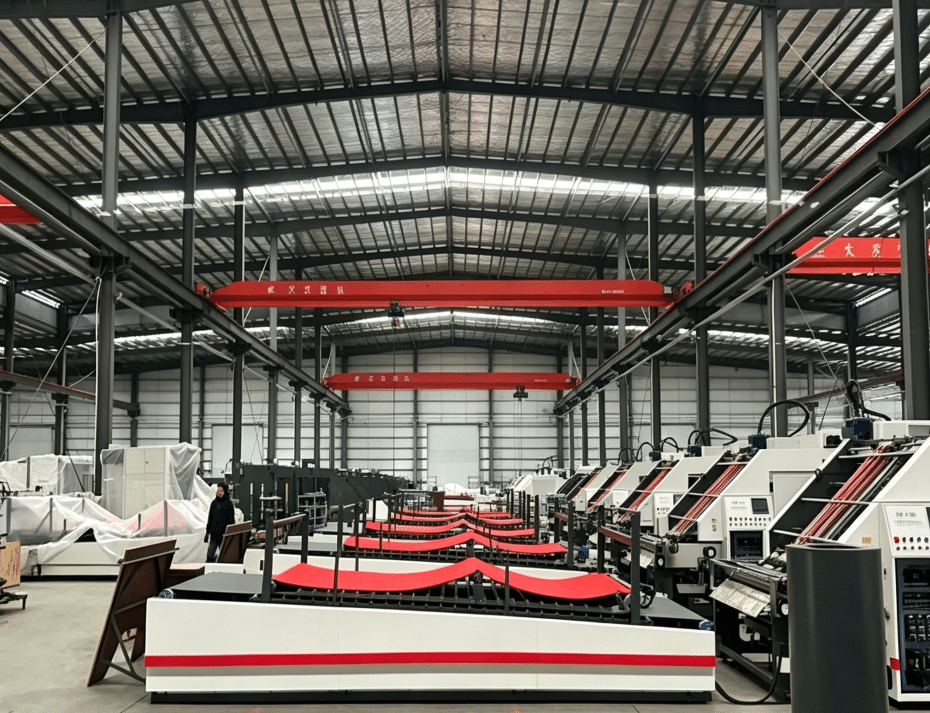
An automatic laminating machine fits into one of four types of laminating machines; understanding the key differences can help production managers choose the best option to meet their volume and quality needs.
These four types vary in automation, speed and human resource requirements. Although manual machines are still used in some small shops, in large industrial facilities fully automatic and high speed laminating machines are growing in popularity.
| Type | Automation Level | Best For | Limitations |
| Manual | Low | Small workshops | Low efficiency |
| Semi-auto | Medium | Mid-scale production | Requires labor |
| Automatic | High | Industrial production | Higher cost |
| High-speed | Very high | Mass production | Investment required |
Key Components of a High Speed Laminating Machine
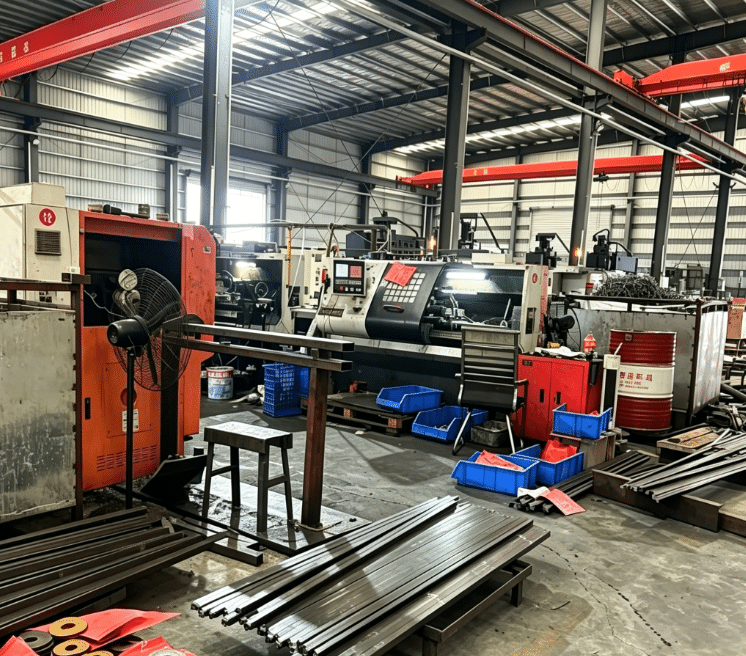
The components of a high speed laminating machine are designed to work together to deliver continuous output and meet precise tolerances in the demanding environment of the industrial laminating machine.
The feeding system, glue system, pressure rollers, conveyor system and control system operate as a unity. The performance of the machine and the bond depend on any shortcomings in one component.
| Component | Function | Importance |
| Feeder | Sheet input | Stability |
| Glue unit | Adhesive application | Bond quality |
| Rollers | Press bonding | Strength |
| Conveyor | Material transport | Efficiency |
| Control panel | Operation | Precision |
Applications of Automatic Laminating Machines
Automatic laminating machines find applications in several industries where the lamination process is required to deliver strength, protection and aesthetic value in one fell swoop.
Packaging and printing facilities use it to mount printed sheets to corrugated board and solid board for robust and stable boxes and cartons. Corrugated board plants use it for board mounting, whereas it is used to produce high-class consumer cartons in carton plants. Laminating machine for packaging is also used in industrial paper products and composite materials for packaging to attain desired rigidity and surface finish.
| Industry | Application | Benefit |
| Packaging | Box lamination | Strength |
| Printing | Surface finishing | Appearance |
| Corrugated | Board mounting | Durability |
| Industrial | Composite materials | Stability |
Advantages of Automatic Laminating Machines
Automatic laminating machines offer significant increases in productivity, quality and cost savings over legacy manual or semi-automatic processes.
Efficiency is increased due to continuous run and little downtime. Accuracy of registration dramatically reduces registration errors. Less labor cost is realised since a single person can monitor what previously took multiple operators. The greatest long term benefit though is consistent quality – every sheet has the same amount of glue, pressure and heat applied so fewer sheets are rejected and you know exactly what to expect downstream.
| Advantage | Impact |
| Automation | Reduces labor |
| Speed | Increases output |
| Precision | Reduces defects |
| Consistency | Improves quality |
Automatic Laminating Machine vs Manual Laminating
The choice between an automatic laminating machine and a manual laminating system is a choice between production volumes and quality.
Completely automated machines are fast, cost effective and consistent, whereas manual machines are only suitable for very short runs or highly specialised production where flexibility is more important than efficiency.
| Factor | Automatic | Manual |
| Speed | High | Low |
| Labor | Low | High |
| Accuracy | High | Variable |
| Cost | Higher initial | Lower initial |
Who Needs an Automatic Laminating Machine?
Automatic laminating machines are used by high-demand packaging manufacturers, export firms, and those who require the same high-quality output from every batch they run.
If you are running thousands of sheets per shift, or suffering from registration issues, or have to deal with increasing labor costs, an automatic or high speed laminating machine is usually a good investment. These machines are also recommended by industrial equipment distributors and engineers as components of smart-factory equipment for printing and packaging factories.
Conclusion — Why Automatic Laminating Machines Matter in Modern Manufacturing
Within the innovative fields of packaging technology, the laminating process is no longer just a finishing touch – it’s a critical process that makes or breaks the final product’s performance in terms of strength, surface quality, and durability.
This automatic laminating machine is not just a re-equipment decision – it is a pivotal choice that impacts production efficiency, product quality, and long-term competitiveness. With consistent bonding performance, increased production speed and reduced wastage, these machines enable increased output while adhering to the tight tolerances demanded by international brands and export destinations.For manufacturing managers and sourcing specialists, the choice of machine boils down to selecting a machine that matches the desired throughput with expected customer order volumes. If properly selected, an automatic laminating machine is a proven pillar for plant profitability and customer satisfaction.