An appropriate knife grinding machine will match knife needs, manufacturing needs, and long-term operational effectiveness as opposed to merely satisfying the minimum sharpening requirements.
Why Choosing the Right Knife Grinding Machine Matters
The performance of cutting on your whole production line is directly related to the quality of your blade sharpening. A well-sharpened blade will give clean, consistent cuts and a poorly grounded one will tear, give rough edges and require frequent replacement.
The wrong selection of the machine usually results in more time spent on the machine, more blades used, and higher operating expenses. These problems accumulate over time and decrease the overall equipment effectiveness (OEE). Conversely, a machine that is similar to your work is useful in extending the life span of the blade, delivering uniform output quality, and reducing the overall cost of ownership.
| Selection Factor | Operational Impact |
| Grinding precision | Cutting consistency |
| Machine stability | Repeatable results |
| Automation level | Labor efficiency |
| Proper machine fit | Lower operating cost |
Start With Your Blade Types and Application Requirements
The first consideration when choosing an industrial knife grinding machine is the blade type, as the blade geometry, material and performance requirements are unique.
Knives used in paper cutting such as paper cutter knives need to be very straight and have the right edges to make clean edges to the sheet. Slitter blades should have sharp edges and precise angles in order to separate cleanly. Planer knives need to be tough and have uniform bevels, whereas shear blades need tight control of their grinding angles to be able to shear heavy loads without chipping.
Knowing these differences will make sure that you do not purchase a machine that will not give you the desired results.
| Blade Type | Key Grinding Consideration |
| Paper cutter knives | Straightness and edge precision |
| Slitter blades | Fine edge geometry |
| Planer knives | Durability and consistency |
| Shear blades | Grinding angle control |
Additional Factors: Blade Length, Geometry, and Material
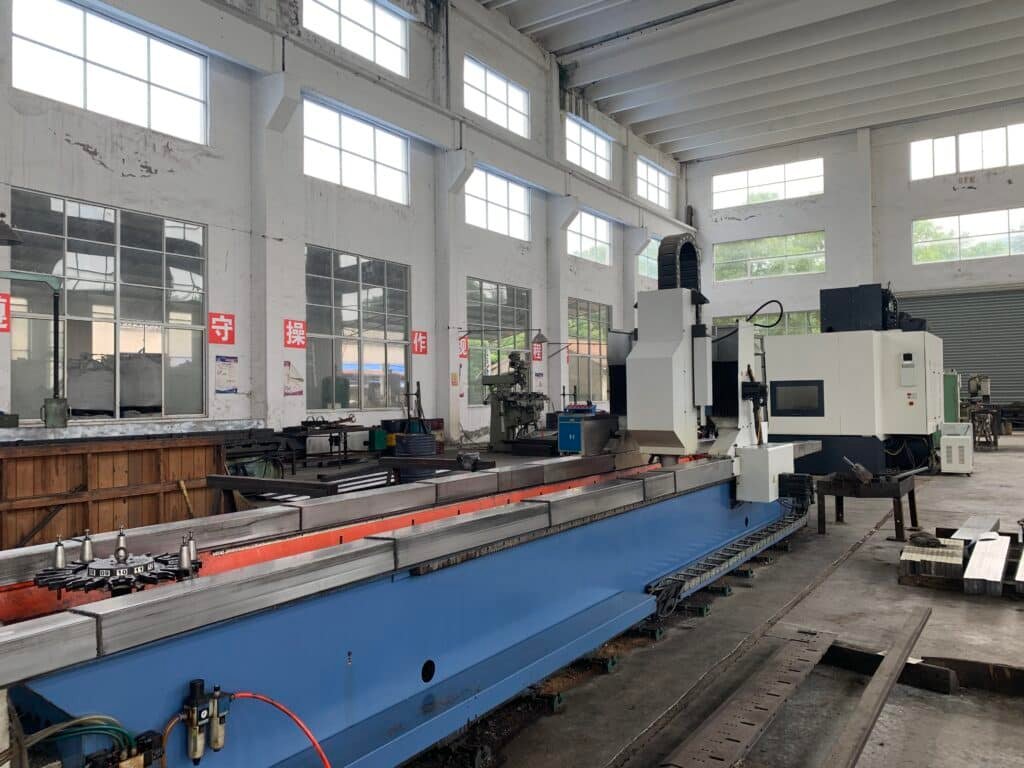
Machines with adequate grinding length and stiff supports are required to cut longer blades (typically wide-format paper cutters). Harder metals like high-speed steel or tungsten carbide can necessitate special wheels and a cooling system. Always plot your existing and future blade stock and then filter machines.
Evaluate Required Grinding Precision
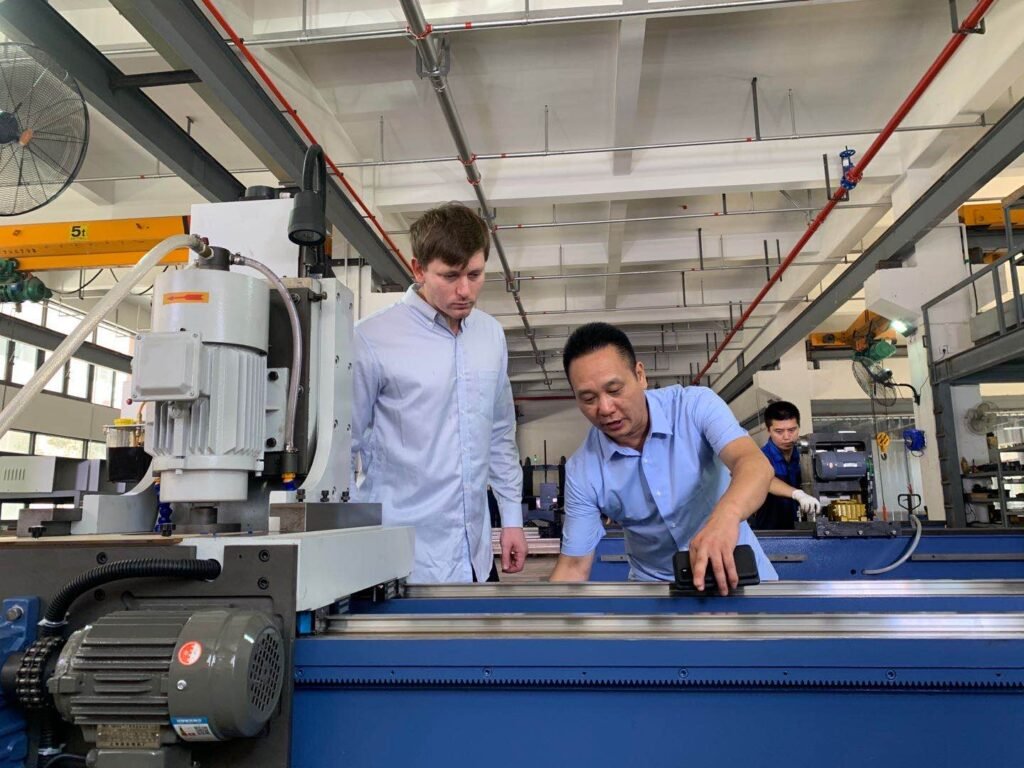
The precision required in each factory cannot be similar. A general purpose packaging converter can be satisfactorily sharpened with typical precision, whereas a high-quality label printer or precision die-cutter can have tolerances measured in microns.
Increased accuracy generally results in improved quality of output and increased length of the cutting tool before it needs sharpening, however it also raises the cost of a machine and the skills necessary by an operator.
| Precision Need | Suitable Machine Level |
| General sharpening | Standard machines |
| High-accuracy cutting | Precision grinders |
| Tight tolerance production | Advanced/CNC grinders |
How Precision Affects Real-World Output
Practically, the lack of accuracy results in the appearance of defects on the final products, increased wastage, and customer grievances. Excessive capital investment in ultra-precision with low-need applications is a waste that can be applied elsewhere.
Consider Manual, Automatic, or CNC Grinding Machines
The automation degree you prefer ought to be in line with your scale of production and employment circumstances.
Manual machines are also still used in small workshops due to the reduced initial cost, but they are dependent on the skill of the operator. Semi-automatic systems save manpower and enhance uniformity. The CNC or fully automatic knife grinders are better suited to high volume settings where repeatability of results with very little human effort is required.
| Feature | Manual | Automatic | CNC |
| Labor dependency | High | Medium | Low |
| Precision consistency | Moderate | High | Very high |
| Production suitability | Small scale | Medium | High volume |
| Investment level | Lower | Moderate | Higher |
Select manual when used infrequently, automatic when expanding to mid-size operations, and CNC when it makes sense to spend the money considering the volume of sharpening per day and the tight requirements.
Machine Stability and Construction Often Matter More Than Buyers Expect
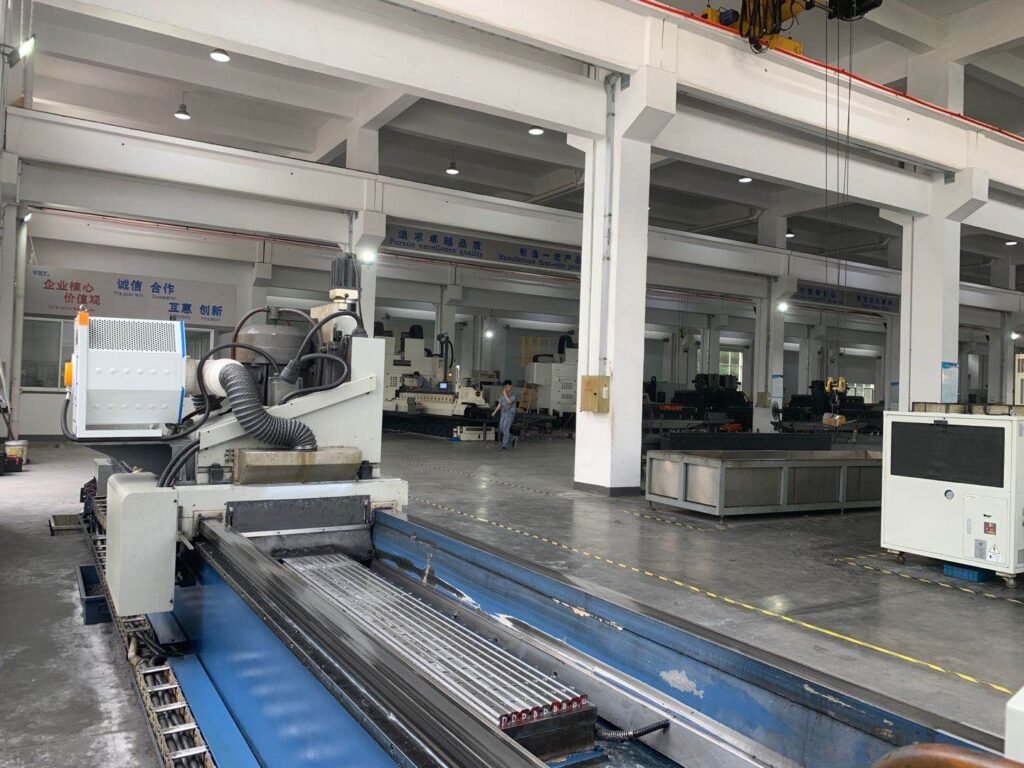
Most customers pay attention to visible characteristics and do not attach much importance to the structural integrity of the machine. The consistency of the machine daily operation is dictated by a rigid frame, precision guide rails, good vibration damping, and a good cooling system.
During the grinding process, vibration produces microscopic anomalies, which reduce the life of the blade. The loss of temper from overheating the blade edge due to inadequate cooling may result in premature wear.
| Machine Feature | Why It Matters |
| Rigid structure | Grinding stability |
| Guide precision | Edge accuracy |
| Low vibration | Better finish quality |
| Cooling system | Protects blade integrity |
Key Features to Evaluate Before Buying
In addition to the fundamental specifications, see control systems, quality of grinding wheels and dressing systems, safety interlocks and ease of maintaining the machine.
Flexible controls make it easier to set up and minimize operator mistakes. Quality wheels and automatic dressing options ensure that there is a longer performance. Low-cost and easy access to service points reduce the maintenance time and cost.
| Feature | Evaluation Purpose |
| Control system | Precision control |
| Grinding wheel system | Sharpening performance |
| Safety features | Operator protection |
| Maintenance access | Service efficiency |
Consider Production Volume and Future Growth
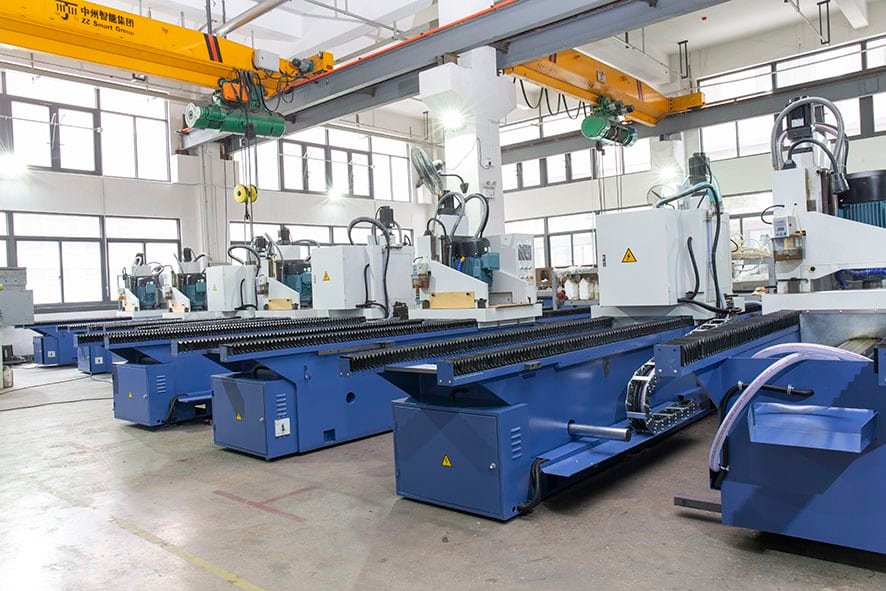
Capacity of the match machine to your current workload with reasonable growth potential. Under-specified machines cause bottlenecks; over-specified machines are idle and occupy capital.
| Production Scale | Machine Consideration |
| Small workshop | Flexible standard grinder |
| Mid-size factory | Semi-automatic machine |
| Large production | Automated/CNC system |
Imagine in 3-5 years. A machine that suits you today but cannot expand with your business turns out to be a liability and not an asset.
Evaluate Maintenance and Operating Costs, Not Just Purchase Price
The total cost of ownership is found to be much greater in the first two to three years of purchase. Include the usage of the grinding wheels, power consumption, availability of spare parts and anticipated service downtimes.
| Cost Factor | Long-Term Impact |
| Maintenance cost | Total ownership cost |
| Spare parts | Service continuity |
| Downtime risk | Production loss |
| Energy efficiency | Operating expenses |
A slightly higher priced, better-constructed machine will often provide reduced costs in service life.
Common Mistakes Factories Make When Choosing Knife Grinders
- Selecting more based on cost rather than the overall ownership cost.
- Not taking into consideration the types and accuracy of blades used and how they operate.
- Underrating the significance of machine rigidity and vibration control.
- Choosing less or more automation than they actually have.
- Not checking on local service support and availability of spare parts.
The errors often lead to regrets within the initial year of operation.
Questions to Ask Before Making a Final Decision
An effective checklist can be used to make sure that you address all essential aspects:
| Question | Why It Matters |
| What blades will be sharpened? | Determines machine fit |
| What precision is required? | Guides machine level |
| What production volume is expected? | Impacts automation need |
| What are long-term service needs? | Supports reliability |
Other helpful questions involve: How easy is day to day operation and changing of tires? What is the level of training and support offered by the supplier? What will be your workload service life?
Conclusion — The Best Knife Grinding Machine Is the One That Fits Your Operation
The most advanced or the least expensive is hardly ever the right knife grinding machine. It is the most compatible with your blade needs, production objectives, and operational effectiveness in the long run.
Emphasizing application fit, accuracy requirements, structural quality and total cost of ownership, you arrive at a decision that helps sustainable cutting performance over years and even more robust factory profitability. Take time to analyze in details – your team of production and maintenance will be grateful.