

Caring for paper cutting machines is not a case of fire fighting, it’s about preventive maintenance that maintains accuracy, reduces downtime and extends the value of the machine.
Sadly, many users consider maintenance to be an activity that takes place only when machines fail. But preventive maintenance can prevent most of the issues affecting reliability and performance in paper cutters. Effective preventive maintenance is vital in delivering cutting accuracy, machine uptime and asset life.
Why Preventive Maintenance Matters for Paper Cutting Machines
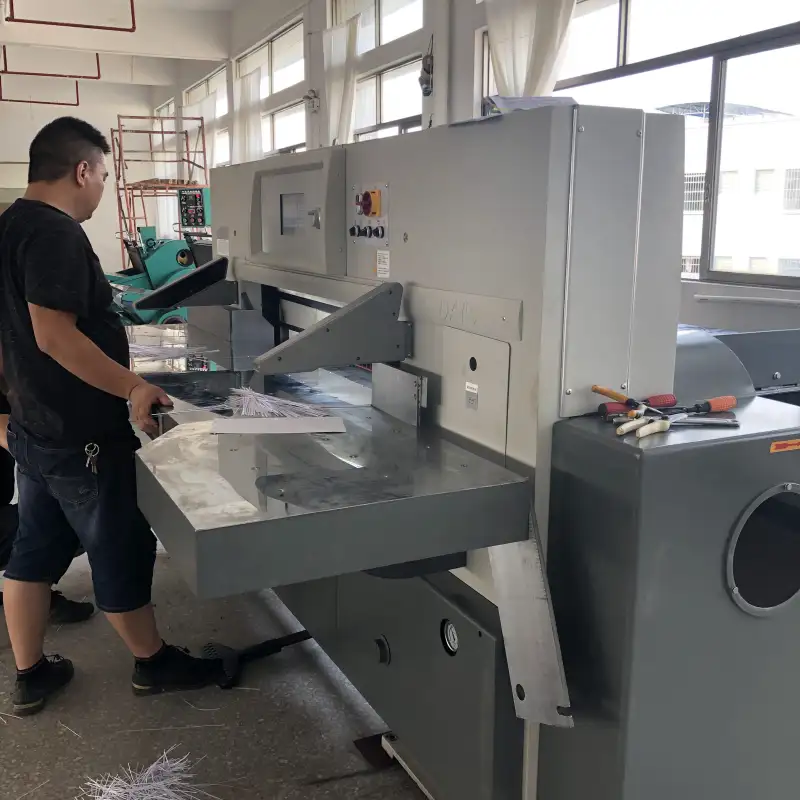
Preventive maintenance turns paper cutting machines from headaches to valuable production tools.
Regular maintenance ensures a consistent quality of cut, minimal downtime and a longer lifespan. Proactive maintenance can be the determining factor between a machine in action or one waiting for a part.
| Maintenance Benefit | Operational Impact |
| Less downtime | Higher productivity |
| Better accuracy | Consistent quality |
| Reduced wear | Longer lifespan |
| Improved safety | Lower risk |
Daily Maintenance Checklist
Performing daily maintenance is the first line of defence against more serious problems on paper cutting machines.
By performing these routine checks each day, operators identify problems before they impact productivity or safety.
| Daily Maintenance Task | Purpose |
| Clean machine surfaces | Prevent contamination |
| Inspect blade condition | Maintain cut quality |
| Check clamp function | Stable operation |
| Verify lubrication points | Reduce wear |
| Inspect safety guards | Operator protection |
| Check work area cleanliness | Safer operation |
These activities should be done at the end of the shift or before beginning a new shift. Keeping your machine clean and lubricated will help it run efficiently and accurately.
Weekly Maintenance Checklist
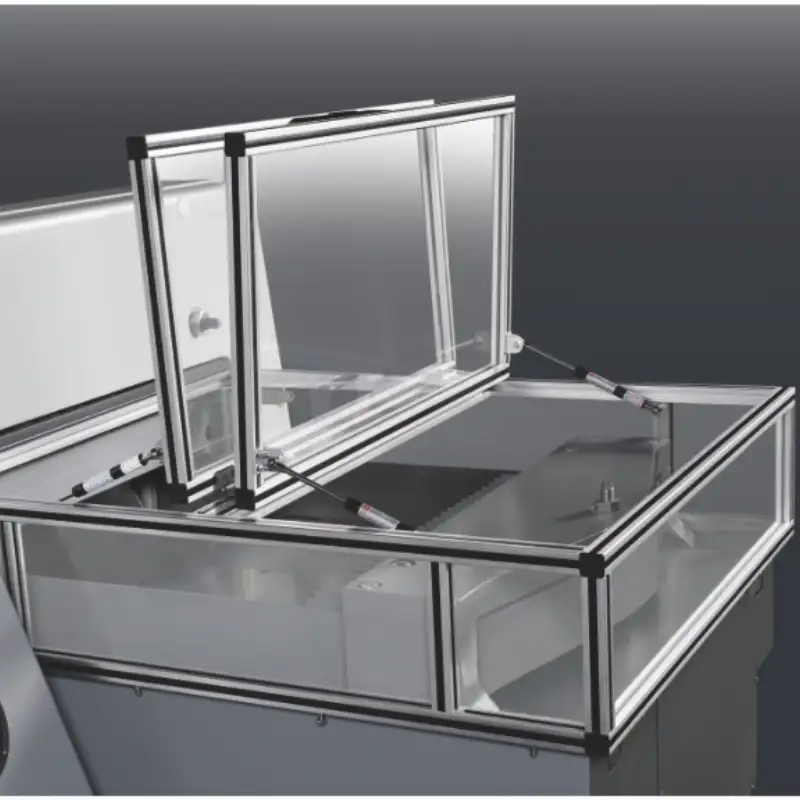
Weekly maintenance allows deeper inspections and minor adjustments that daily routines cannot cover.
This level focuses on verification and early detection of developing wear.
| Weekly Task | Why It Matters |
| Check blade condition in depth | Performance consistency |
| Verify calibration | Accuracy control |
| Inspect hydraulic/mechanical systems | Reliability |
| Check moving components | Wear prevention |
| Review safety devices | Risk reduction |
Listen for any unusual sounds and watch the machine’s response to the load. These inspections can detect problems weeks before they occur.
Monthly Maintenance Checklist
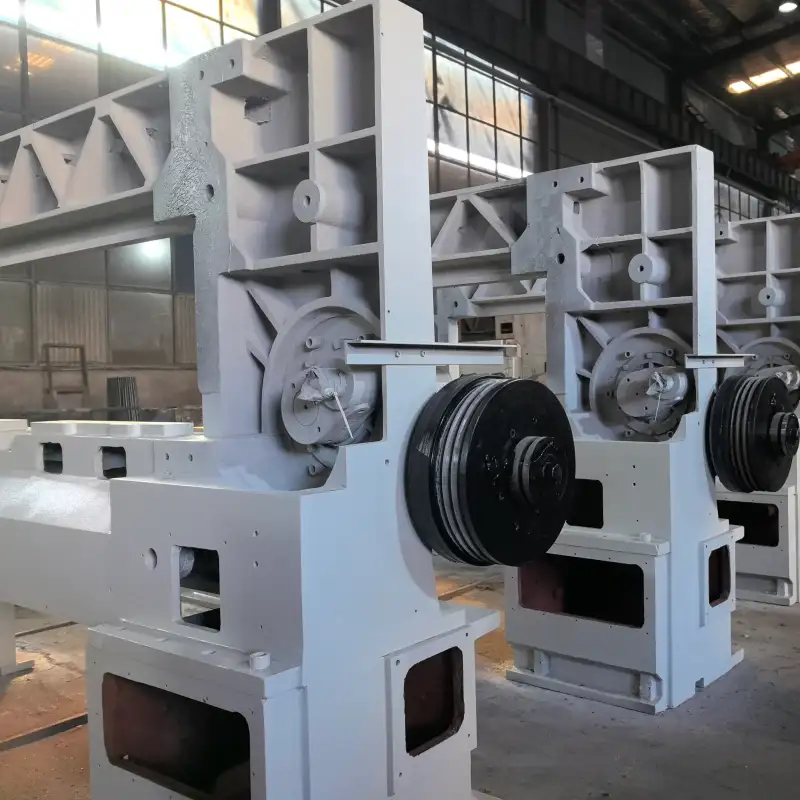
The monthly service focuses on proactively maintaining system health and care of components.
This is where trends can be detected that may have otherwise been overlooked.
| Monthly Task | Benefit |
| Inspect drive systems | Reliability |
| Check back gauge accuracy | Precision |
| Lubrication review | Reduced wear |
| Fastener/component inspection | Stability |
| Hydraulic system inspection | Performance protection |
Monthly servicing may detect early signs of potential problems – such as a slow decline in hydraulic pressure or slight drift in the back gauge – before they impact tool performance or lead to unexpected downtime.
Quarterly or Semi-Annual Maintenance Tasks
This type of maintenance includes more thorough evaluation and preventive tuning.
This plan strikes a balance between user maintenance and professional maintenance.
| Periodic Task | Purpose |
| Blade servicing review | Cut quality |
| Component wear inspection | Failure prevention |
| Mechanical adjustments | Precision retention |
| System diagnostics | Performance stability |
These sessions often involve partial teardown for inspection of components not available for inspection during shorter periods.
Annual Maintenance Checklist
Annual maintenance is a proactive approach to equipment protection and reliability.
This inspection ensures the machine is kept within the manufacturer’s specifications.
| Annual Maintenance Task | Objective |
| Full machine inspection | Overall condition |
| Major calibration review | Precision verification |
| Hydraulic/mechanical system service | Long-term reliability |
| Safety system audit | Risk prevention |
| Component replacement review | Lifecycle management |
Use the annual service as an annual check-up. Make detailed notes so you can compare the machine’s condition from year to year.
Blade Maintenance Deserves Its Own Routine
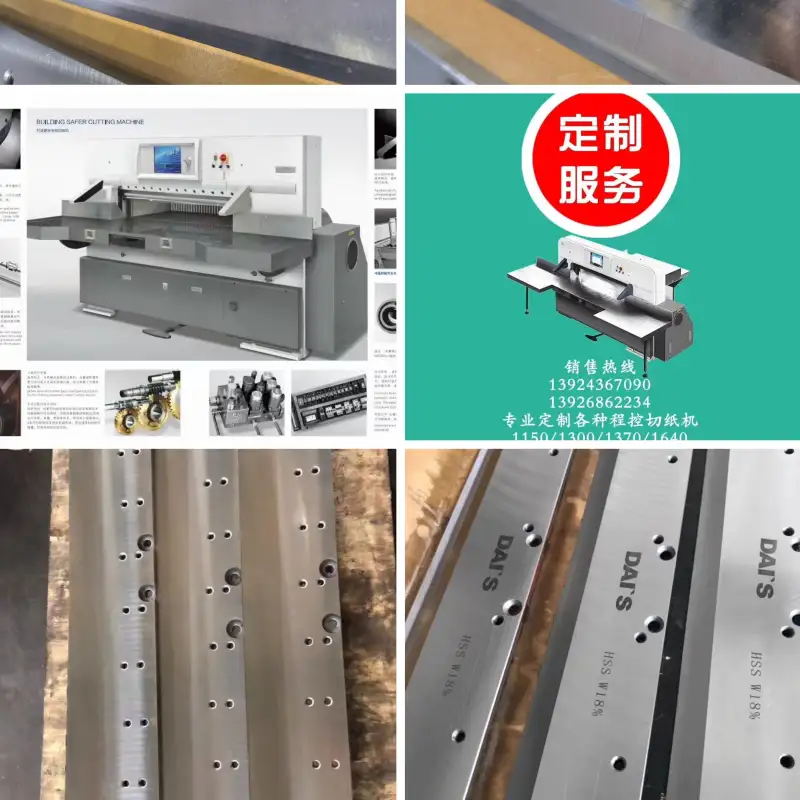
The cutting blade is the core component of a paper cutting machine – it requires special care.
Blade maintenance affects the quality of the cut, the neatness of the edge, and the efficiency of the machine.
| Blade Maintenance Item | Why It Matters |
| Sharpness monitoring | Cut quality |
| Blade wear checks | Accuracy |
| Sharpening schedule | Performance |
| Replacement criteria | Reliability |
Set criteria for when to rotate, sharpen or replace blades. Don’t wait until performance decreases.
Calibration Checks That Support Long-Term Accuracy
A well-calibrated paper cutter is a great paper cutter years down the track.
Periodic checks ensure it operates within precise tolerances.
| Calibration Check | Benefit |
| Back gauge accuracy | Precision |
| Position repeatability | Consistency |
| Tolerance checks | Quality control |
Experienced technicians know that drift in calibration can accumulate over many thousands of cuts. Record all checks with values and dates.
Maintenance Areas Often Overlooked
Sometimes even well-intentioned teams overlook crucial components that impact machine life.
These tips are from experienced field service:
- Sensors and safety devices – check they always work properly
- Hydraulic fluid check – look for contamination and level
- Loose fasteners – vibration may loosen bolts
- Belt, chain and gear wear – regular checks required
- Vibration monitoring – vibrations can indicate a problem
- Foundation settling – can occur over years
By monitoring these items, many “sudden” failures can be avoided.
Common Maintenance Mistakes That Cause Problems
By avoiding these mistakes you can avoid downtime.
We’ve seen these mistakes on many occasions:
- Not following scheduled maintenance during high production
- Concentrating on the blades and forgetting about the rest
- Not adjusting for drift until there are complaints about quality
- Putting off small repairs for too long
- Reactive rather than proactive maintenance
- Poor record keeping which makes repairs more difficult
Creating a Maintenance Schedule and Record System
Good recordkeeping turns what is good on paper into a good practice.
Documentation is essential for both operational and life-cycle costs.
| Recordkeeping Element | Why It Matters |
| Maintenance logs | Tracking |
| Service schedule | Consistency |
| Inspection records | Problem prevention |
| Parts replacement history | Lifecycle planning |
Keep simple, easy-to-use, electronic or paper logs. Do what works best for you.
Sample Preventive Maintenance Schedule Summary
| Frequency | Key Focus |
| Daily | Basic checks and cleaning |
| Weekly | Functional inspections |
| Monthly | Preventive servicing |
| Quarterly | Deeper diagnostics |
| Annual | Full system review |
This table provides a summary for planning and reviewing your maintenance program.
Conclusion — Maintenance Protects Performance, Not Just Machines
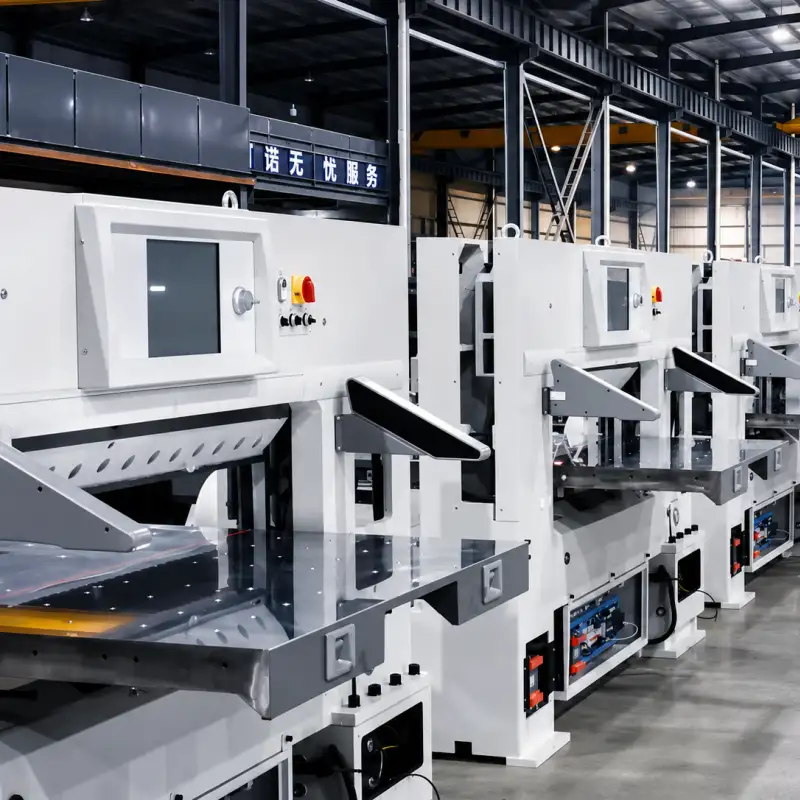
Paper cutting machine maintenance is not just about preventing breakdowns and damage, it is about maintaining performance, preserving accuracy, increasing reliability and extending equipment life and value through preventive maintenance.
Maintenance and operators who adhere to a daily to annual routine check list deliver higher availability, cut quality and longevity. Preventive maintenance is one of the best investments in industrial production management.
Apply these techniques carefully, record them and continuously improve. Your paper cutting machines – and your bottom line – will benefit from it.