
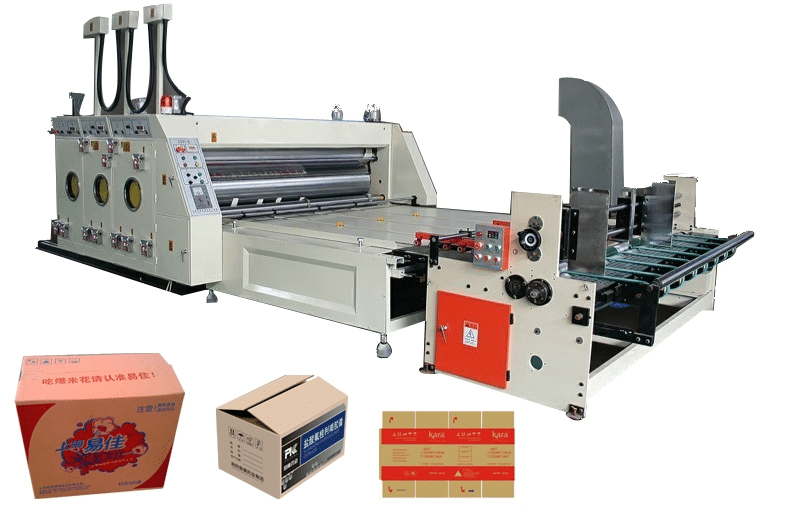
The fact is that during the last 20 years I have worked in the printing and packaging machinery business, and I observed that factories flourished or failed because of one decision: the choice of a die cutting machine. It is not merely a matter of shaving shapes but everything about efficiency, accuracy, and the ability to scale-up your operations without having to be in headaches every day. In case you are operating a printing or packaging factory, the selection of the best die cutting machine to use when packaging can spell out the difference between beat-the-deadline and outpaced rivals.
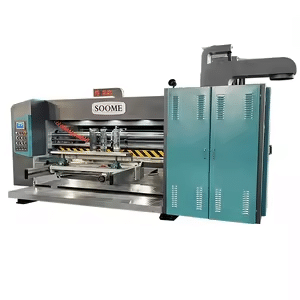
First of all, it is essential to answer what is the most important when choosing a die cutting machine. The best considerations reduce to your quantity of production, material to be used (paperboard, corrugated board or plastics), the type of machine- platen die cutter, automatic die-cutter or rotary die-cutter, and the pragmatics, such as the sheet size, cutting pressure and precision. Also do not neglect automation of feeding, stripping, embossing and stacking since it can reduce labor expenses and increase production. Lastly, weigh your budget against ROI in the long term; a low-cost machine may make cost savings in the short run but will cost you in terms of downtime and repair expenses.
At the factories where I work, the productivity is increased right after these factors are nailed. To give an example, in the case of a high volume packaging run, then one would consider an automatic die cutting machine that has high features hence doubling your throughput. However, when accuracy on specialty materials are in concern then perhaps a heavy duty platen die cut machine would be the solution. All through this guide, I will take you through these options one by one using real life situations that I have had to deal with in factories in China, and even beyond. At the end of it, you will have a clear direction on the way to locate the industrial die cutter that will perfectly suit your needs.
Understanding the Core Selection Criteria
Die cutting machine selection Before going any further, consider it as the process of fitting a tool to a job. The fast and automatized environments of high production require high-speed and automation, whereas the smaller operations may be focused on versatility and convenience. Religious terms such as best die cutting machine for packaging frequently point in this direction since the correct decision will streamline your whole procedure.
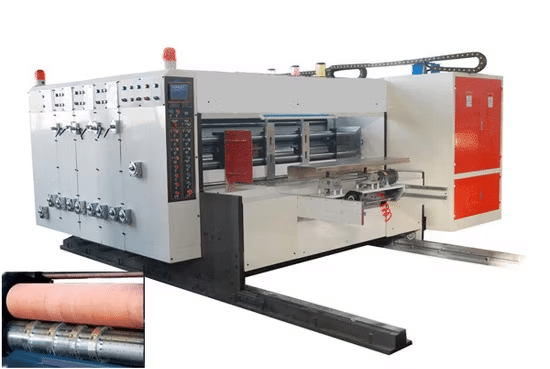
1. Machine Types Explained: Platen, Automatic, or Rotary?
The first large question is the kind of die cutting machine. This is what I have counseled many a factory master on, and the first step in it is to comprehend the differences.
A flatbed die cutter or platen die cutting machine is a machine that cuts materials with the help of a pressing device between two plates. It is good to work on such materials as cardboard or paperboard with precision and detail. When creating these, I have found them to perform well in short to medium runs in which the customization would be important. To illustrate, the popular models include the 1050×750 or 1320×950 where the models are effective to work with the standard sheet sizes. When comparing the platen die cutting and rotary, platen wins in terms of high accuracy on a heavier material, however, on extremely high volume, it may be slower.
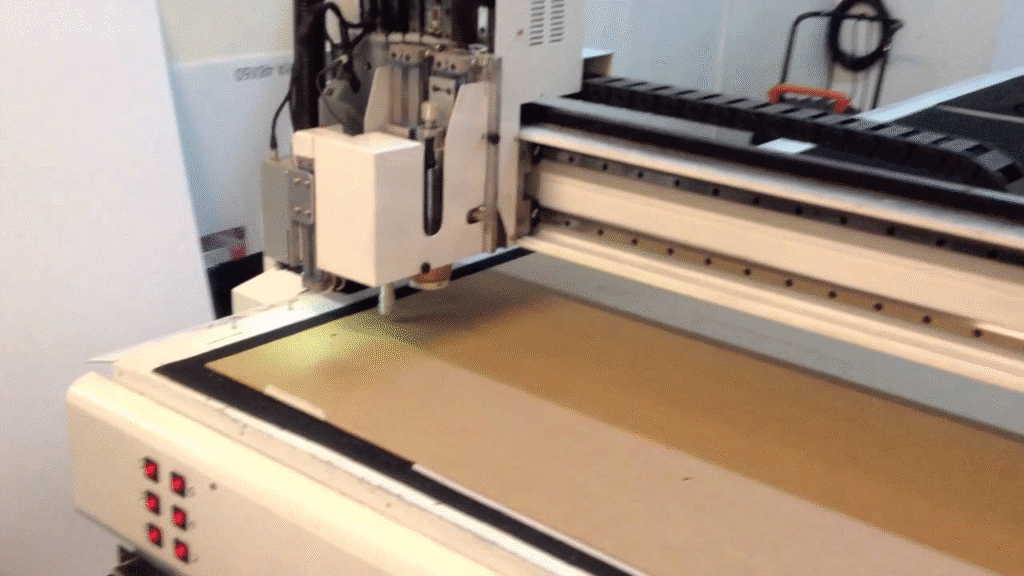
Next comes the automatic die cutting machine which is a further advancement of the platen base design that is more automated. These make packaging factories game changers with a view to being efficient. Automatics such as automatic feeding and stripping require less man-handling and stripping and therefore it is the best choice when it comes to continuous production. I have fitted them in plants where operators used to manually sort 1,000 sheets in an hour to more than 6,000 with the automated system. They are ideal when you are looking to find an automatic die cutter to package in an export of smart factories.
Rotary die cutting machines, conversely, have cylindrical die cuts with continuous rolling cuts. They are quicker on stretchable substances such as labels or films, however, not as suitable with rigid corrugated board. Rotary is an undefeated part in some situations where the speed is more important than the precision, such as high-volume custom labeling. But in the more common case of printing factories where boxes or cartons are involved, I would make a tendency to use platen or automatic types unless you have a roll-fed only arrangement.
These two options are based on the workflow. When versatility is required, use platen; when speed is required, use rotary and when efficiency is required, use automatic.
2. Material Compatibility: Matching Your Machine to What You Cut
The core of any die cutting process is materials and when this is misconstrued, this may result in poor cuts, machine wears or failure altogether. I have worked on projects where the machine used in the factory was changed simply because their previous machine did not manage to work on corrugated board without jamming.
Begin with basics: In the case of cardboard or paperboard, most cardboard die cutting machines will be adequate, but be sure to examine cutting pressure. Most cardboard die cutting machines would be 200-300 tons on normal work. Corrugated material requires more pressure that prevents the crushing of flutes hence seek machines with deep embossing capacity. More accurate dies and temperature control are often required to keep plastics such as PET or PVC from cracking and this is a frequent requirement.
Grayboard or specialty composites are complex in my situation. A machine of the kind which is rated as die cutting corrugated board should be able to adjust pressure and have strong frames so that they are able to stay aligned. Always sample–before buying anything I have known factories save thousands of dollars by checking compatibility.
3. Sheet Size & Format: Ensuring It Fits Your Products
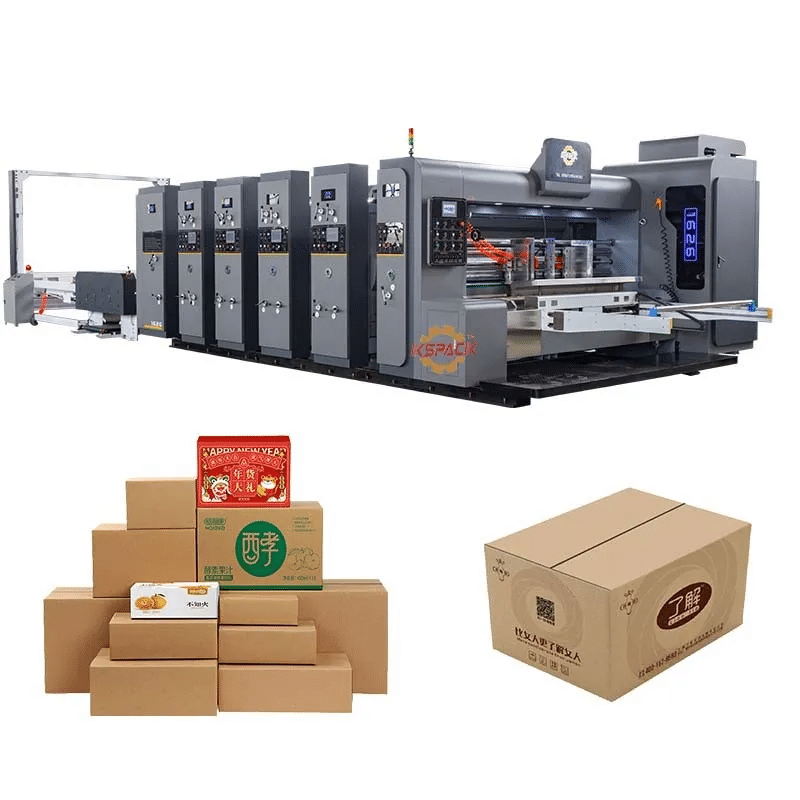
A typical error that I have noticed is the purchase of a die cutting machine without matching it with your sheet sizes. Their large format box products should not be handled by a small model of 800×620, literally.
Types of die cutting machines are numerous: Small 1050 die cutters and large 1320 die cutters and large 1680×1220 die cutters to suit an industrial scale. Calculate maximum sheet size and a trim-off allowance. Most of the factories that I have worked with regretted the fact that they had under-sized the factories because this hinders growth. Hint: Choose the modular designs, which upgrade on formats.
4. Production Speed & Output: Scaling to Your Needs
Where speed is required are high-speed die cutting machines. The sheet per hour ratings would be sheets per hour, entry level could be 4,000, and the automation capable leaders of the industrial die breakers would be 8,000 or more.
Look at your daily performance: Small shops (low volume) can survive on manual feeds, however, on scale, cycle rates and downtime must be taken into consideration. I have observed auto models to cut down on set up time by half making a strength out of a bottleneck. Speed is not efficiency, it is available uptime.
5. Automation Features: From Basic to Smart Factory Integration
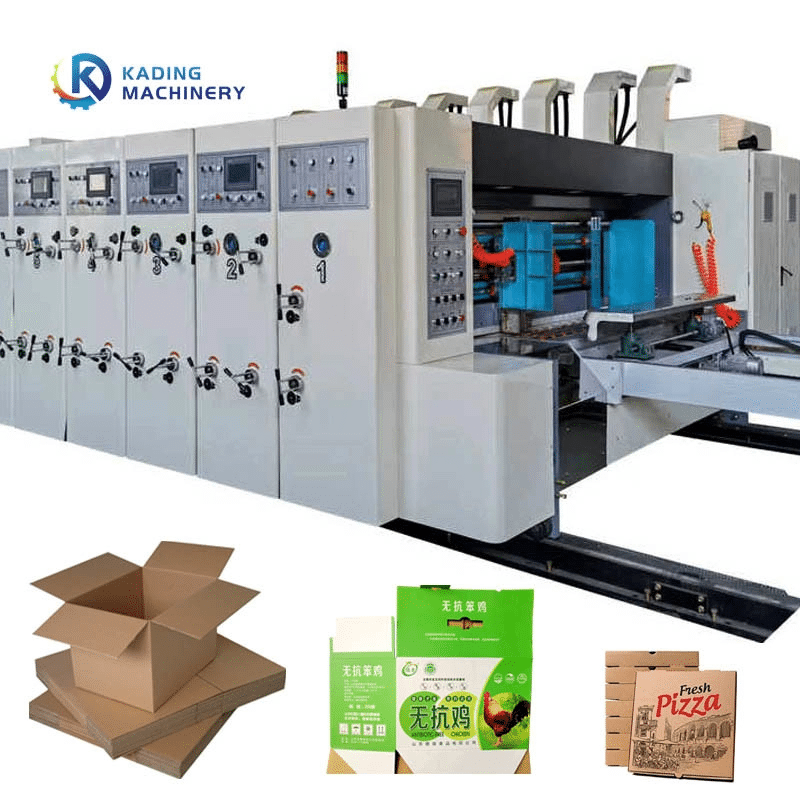
Automation makes a simple die cutter a monolith. Automatic feeders drag the sheets without creating holes and the stripping units discard waste without stopping the manufacturing process. Deep embossing or embossing will be used to add to the premium packaging, and everything is organised with automatic stacking.
Seek features of automatic die cutting such as servo-driven controls with accurate registration. IoT In smart die cutting machines, remote monitoring is made possible by touch-screens and IoT integration. I have been applying them to the factories where there were labor shortages and ROI was felt after few months.
6. Safety & Operator Considerations: Protecting Your Team
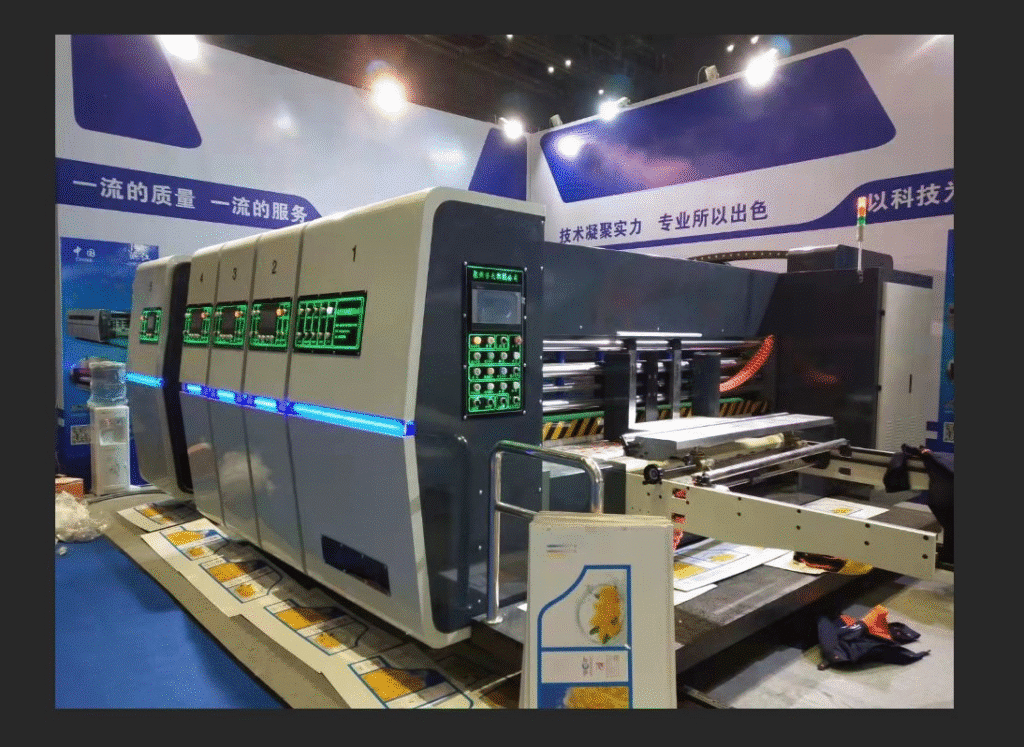
Safety is not a choice, it is a necessity. The current die cutting safety process has guards, sensors and interlocks to avoid accidents. Die cutters with user friendly interfaces are operator friendly hence less training time.
My fieldwork experience has shown that machines, which are auto-lubricated and are designed in an ergonomic manner, reduce fatigue. As a rule, opt to use global standards, which are CE-certified.
7. Maintenance, Durability & Service: Long-Term Reliability
A sustainable machine has a long life span. Search in the maintenance plans of the die cutting machine under cast walls, imported bearings and auto-lubrication. The availability of spare parts is also paramount, since absence of it is profit killing.
I have recommended on service contracts, which incorporate the 24/7 support, which entails prompt repairs. Strong brands create trust among after sales; neglected this and you will pay later.
8. Budget & ROI: Making the Numbers Work
Die cutting can cost as little as 50,000 to basic and 300,000 and above to fully automated. Add in the unseen expenses such as blades and energy.
Calculate die cutting ROI: A machine will have the potential to pay back in 1-3 years with an 30 percent increase in output. I have been doing calculations on behalf of clients whereby I show how the premium features are worth the money.
Expert Recommendation and Buying Checklist
In order to conclude, the right die cutting machine matches your production requirements, complexity of the material used, and automation objective. It is a future investment in your factory.
The following is an effective purchasing guide:
- Daily Production Volume: Estimate sheets per day-low (less than 10,000), medium (10,000-50,000) or high (50,000 and above).
- Largeest Sheet Size: Study your big sizes (e.g. 1050×750 mm or larger).
- Material Type: Choose such details as corrugated, cardboard, or plastics.
- Pressure: Deep cuts need either standard (200 tons) or heavy-duty (300+ tons) pressure.
- Precision Necessary: Tolerance of complex design.
- Automation Requirements: Feeding, stripping, stacking- mandatory or optional?
- Budgeted Amount: Start-up costs and the maintenance costs.
- Brand Reliability: Warranties and check reviews.
- Service Availability: Installing and repairs locally.
When updating your printing or packaging line, consider these factors, and you will be able to choose the most efficient machine that will be cost-effective in the long run. You can contact industry professionals such as working with known manufacturers to get specific guidance–it is worthwhile to do it once.