

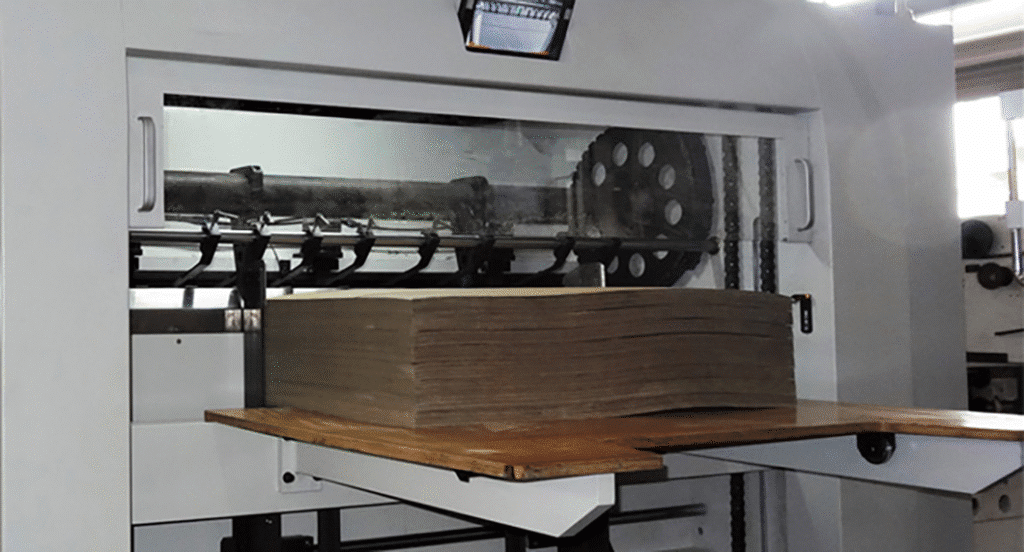
Die cutting is able to process a wide range of substrates such as paper based materials, synthetics as well as specialty composites. Die cutting materials will be the best materials depending on the thickness, density, fiber strength and the kind of die-cutting machine in use. The selection of the right one has a direct influence on reducing the cutting quality, the necessary pressure, tooling life, and the overall production speed. I have witnessed this with the case of DAIS printing Machinery where we have been producing die-cutting machines since the year 2000 and I have observed how the wrong combination of materials can result in inefficiency such as lopsidedness on the sides or machine malfunction.
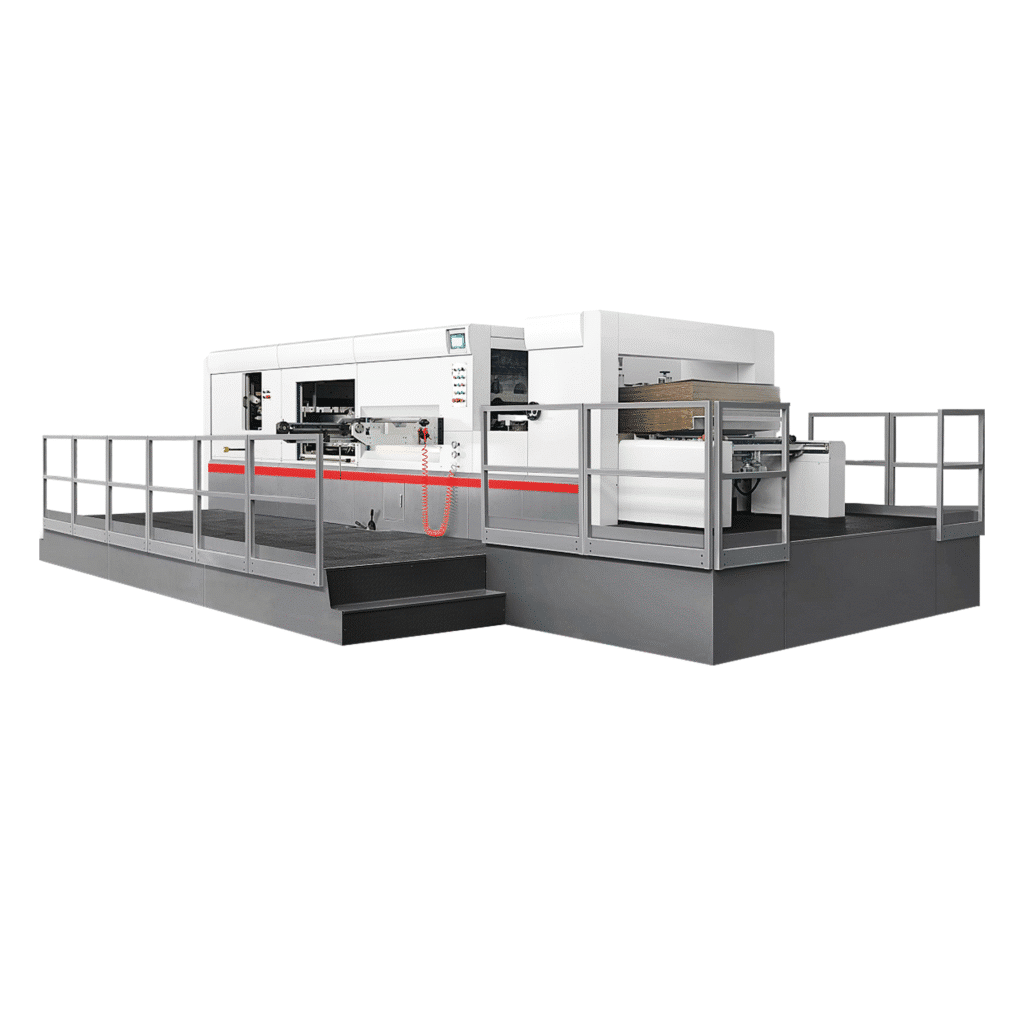
Corrugated board and paperboard continue to be the most widely used die cut substrates in the packaging and printing industry with their reliability and affordability with high volume production. They are used in such industries as food packaging or e-commerce, however, plastics and foils are gaining popularity in the sphere of durable or premium use. The choice of the material influences all things: dense substrates require more pressure whereas coated ones require sharper dies to prevent cracking. To achieve the best results, never forget what the end product will require like being foldable or weather resistant. We will take a closer look as we go to discuss the details of each material with some actual factory experience to assist you in choosing the one to use in your projects. Such die cutting materials make it possible to give accurate shapes on the packaging material that is die cut thus making it efficient in production lines.
Paperboard (Most Common Material)
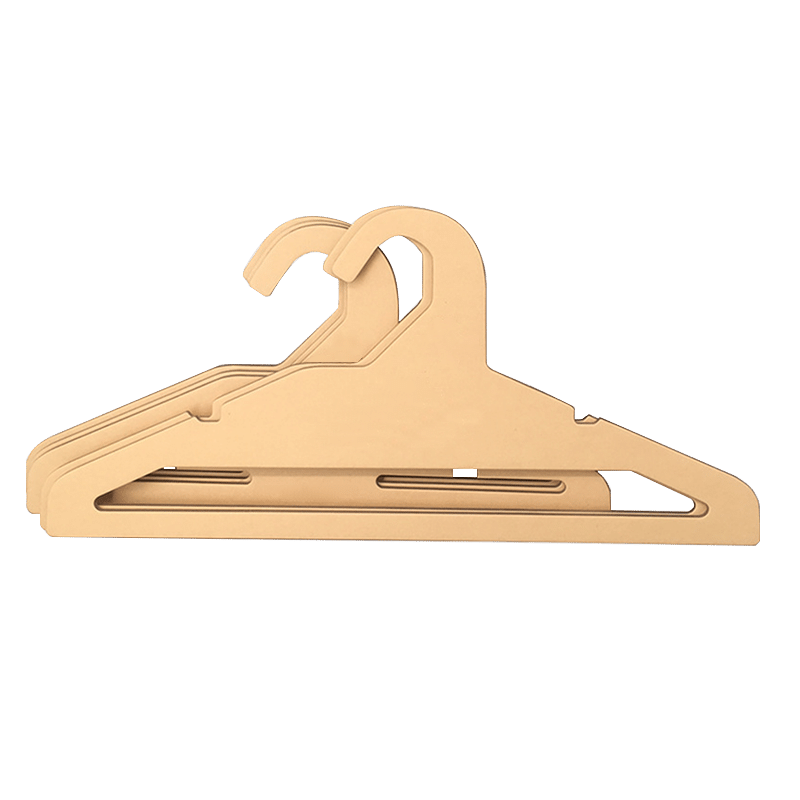
Folding cartons and printing are done with paperboard as the industry standard, which is characterized by a high degree of versatility and easy cutting. Being involved in the production of platen die-cutting machines of different types of boards at DAIS, I have worked with thousands of runs of this material.
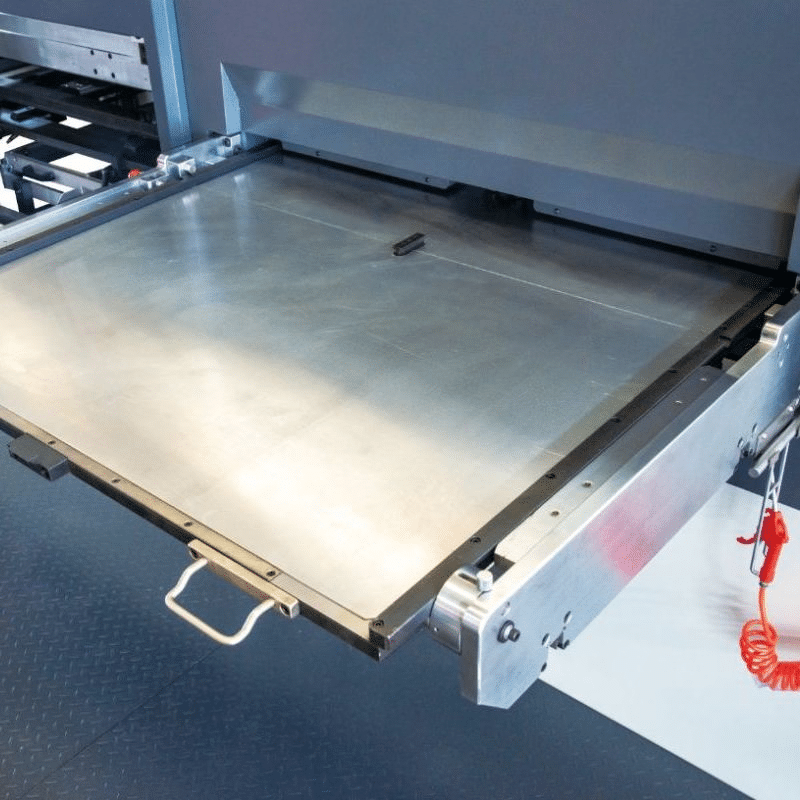
Some of the types that are available are SBS (Solid Bleached Sulfate), C2S coated board, uncoated board and Kraft board. SBS provides a white surface that is bright and ideal in high quality printing whereas Kraft provides natural strength in packaging, which is eco-friendly. Performance features: clean edges, good creasing without tearing, and even fiber density which resists pressure. Pros: easy to carry, recyclable and cheap; cons: has a tendency of absorbing moisture causing warping unless it is stored effectively.
Die compatibility: best used with steel rule dies in platen machines to achieve complicated cuts and scores. Uses: folding cartons, sleeves, tags, inserts, and high end packaging such as cosmetic boxes. An example is the case of printing where the brochure inserts are cut on paperboard by die cut producing sharp cuts with each cut. The SBS board cutting is preferred by a food-grade packaging because it has a smooth finish.
Corrugated Board
Corrugated board is an option that is used when one is in need of a strong, structural package, with layered flutes to enhance its strength. This type of material requires a strong equipment to prevent the traps that are usually encountered with high pressure die cutters as was the case with DAIS.
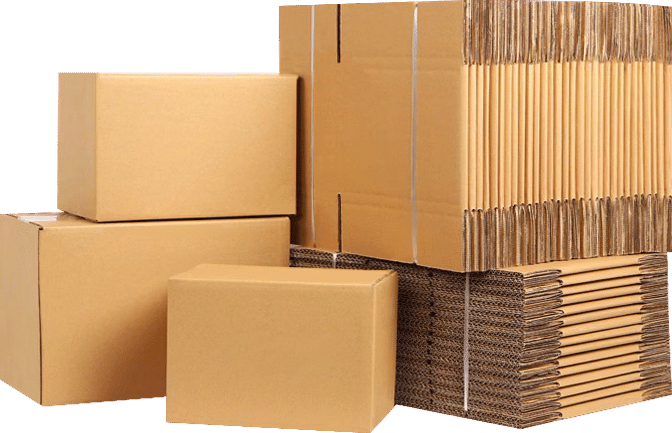
Among the commonly used types: E-flute (thin to work on details), B-flute (has more power), C-flute (is thicker to ship), and micro-flutes (delicate to display in the stores). Being made of thicker material, may need up to 1-5mm of total depth. Performance: best performed by creasing but easily crushed when over-pressed; cushioning to delicate objects. Merits: hardier, less expensive; demerits: more difficult to obtain ultra-fine details.
Fit with die types: most compatible with platen die cutting machines having adjustable pressure systems. Rotary techniques are suitable with less complicated designs and can lead to flute compression. Difficulties: cracking and unsmooth edges when pressure is incorrect – always check flute position. Applications: e-commerce packaging, e.g., shipping boxes, POS displays, and protective inserts. Corrugated die cutting is vital in the real-life application of Amazon-like mailer, and flute board cutting is definitely imperative in the heavy crates.
Plastics & Synthetic Materials
Plastics and synthetic materials are durable and transparent, which is why they would be suitable in a contemporary packaging solution. In electronics and cosmetics, at DAIS, these are regularly laminated and die-cut in our laminating and die-cuting lines.
Types: PET (polyethylene terephthalate to use in transparent containers, tear-resistant), PVC (polyvinyl chloride to use in rigid containers, smooth edges), PP (polypropylene to use in the flexible and tough applications), and PS (polystyrene to use in thin sheets). Performance: will withstand moisture and chemicals, although heat-resistant when used in high-speed cuts. Pros: durable and multi-purpose; cons: may melt or deform when subjected to too much friction, high cooled dies needed.
Compatibility die types: sharp steel rule dies are required; thermal problems are avoided with platen or laser techniques. Rotary die cutting is used to cut finer films. Reduction of performance factors: rigidity requires an accurate alignment to prevent slipping. Applications: retail window, cosmetic packaging, labels, and blister packs. An example of this is plastic die cutting which produces clamshell packs, PET die cutting is used in toy blister cards where clear visibility is required and PVC cutting is done in toy blister cards.
Labels and adhesive papers are precise cut products that do not damage backings which is ideal in branding. These need delicacy in terms of our foil stamping and die-cutting learning at DAIS.
Types: self adhesive labels, pressure sensitive adhesive sheets and laminated label stock. Performance: flexible with good hold though adhesive can gum up of the dies unless controlled. Pros: can be applied after cutting; cons: the residue accumulates on the tools, and they have to be cleaned regularly.
Die compatibility: ideal kiss cut die compatible with rotary dies, which retains the liner in place. Platen is employed in smaller production. Uses: stickers sheets, rolls, barcode labels and promotional tags. Label die cutting can be used to create a custom shape to be used in branding products in printing and to create peel-and-stick labels in packaging lines through kiss cut labels.
Foils & Thin Metallic Films
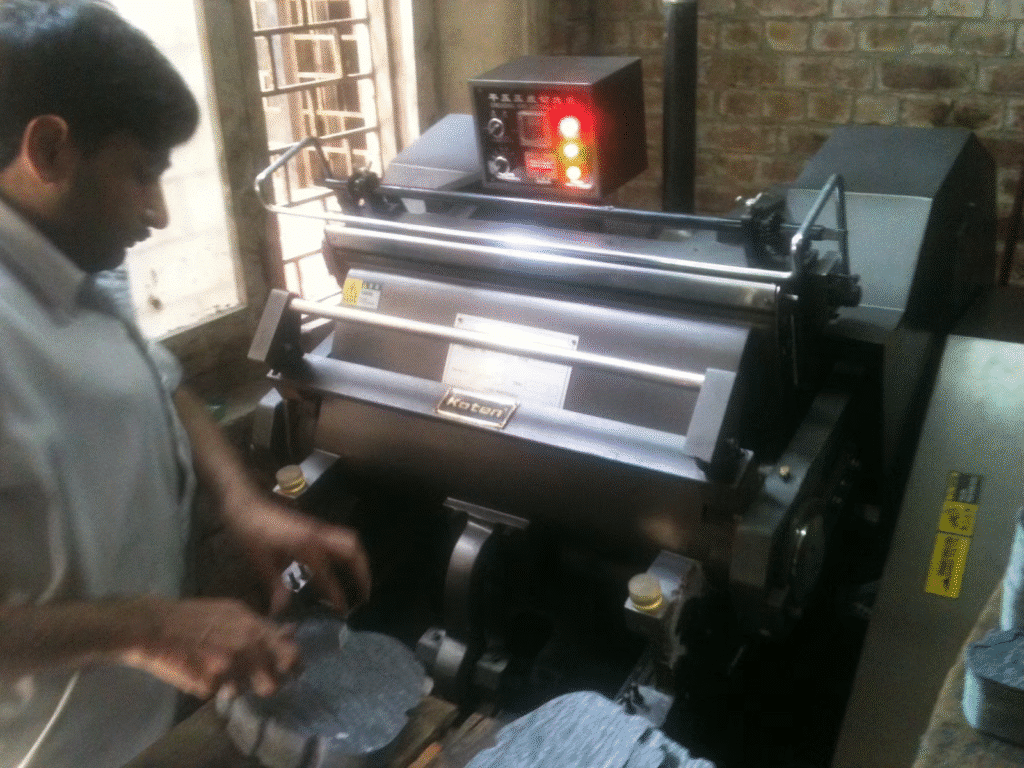
The foils and metallic thin film give superior shine and protection, improving the aesthetics of packaging. In our machines we have incorporated foil stamping designs at DAIS to clients who want luxury finishes.
Types: aluminum foil, metalized film and gold/silver foil. Performance: lightweight and flexible, and can tear easily unless razor-sharp dies are used. Pros: barrier effects and appealing to the eye; cons: costly and prone to pressure changes.
Raising compatibility The die types are compatible with hot foil stamping dies within platen or rotary systems. Laser is able to work with complex patterns without having to touch. Applications: decorative die cutting, high-end packaging ornaments such as wine labels, and wrapping presents. Chocolate boxes are now cut in foil and snacks packets are cut with metalized films to maintain freshness.
Foam, EVA, Rubber & Gaskets
Foam, EVA, rubber and gaskets offer cushioning and sealing and take die cutting past paper. Otherwise, our creasing machines are responsive to them in industrial applications at DAIS.
Types: EVA foam (ethylene-vinyl acetate to pad against the objects), PU foam (polyurethane to provide resilience), rubber sheets (natural or synthetic to provide seals), and gasket materials (composite to fit seals). Performance: compressible with rebounds, and needs controlled depth cuts. Benefits: shock absorbing; disadvantages: burns at high temperatures or blunt dies.
Particular compatibility: platen compatible with high-pressure die; serrated rule compatible with grip. Laser does not experience compression problems. Use: packaging of industry, automotive inserts, electronic protection, and toy parts. Phone case liners are made in foam die cutting and gasket die cutting makes sure that machines have a leak-proof seal.
Specialty Materials
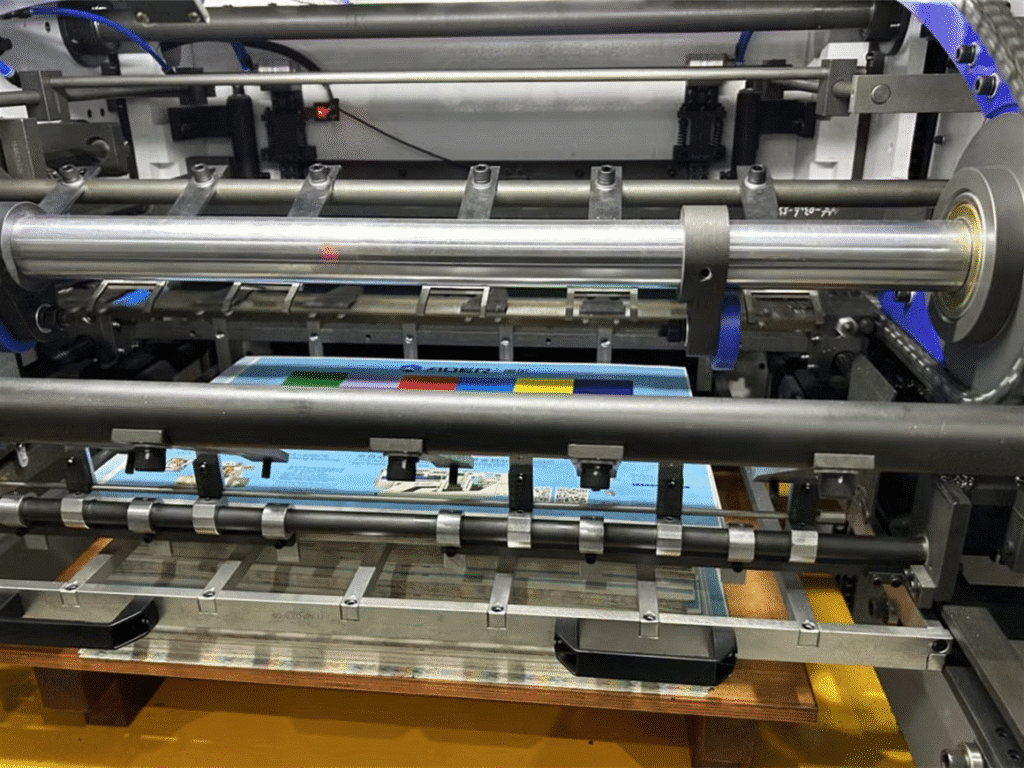
Specialty materials are made to satisfy a niche market, and they can be layers with combined characteristics. These are push limits on equipment based on custom runs in our factory in Guangdong.
The types are textured paper, embossed substrates, laminated board, composite sheets, and fabric-backed materials. Performance: mixed textures increase attractiveness and make it difficult to register. Merits: can be configured; demerits: possibly requires special tooling to avoid delamination.
Die type compatibility: usually must be laser die cut or hybrid die cut to be precisely cut. Platen suits laminated ones. Uses: premium invitations, reinforced packages and hybrid displays.
Material Performance Factors
There are a number of factors that influence the outcomes of die cutting on all substrates. Pressure requirements are determined by material thickness, i.e., the thinner the material, the faster the product is produced; the thicker the material, the stronger the product. Fiber density guarantees clean cuts; low density fraying. Elasticity or rigidity affects increasing, the former rebounds, the latter cracks. Surface coating gives it a glossy look and makes it slippery. The content of moisture should be minimal to swelling. The grain direction is smooth to make folds. The multi-process runs are influenced by the print layer thickness in terms of adhesion. In the factory environment, it prevents 90 percent of problems through monitoring of these.
Best Die Cutting Methods for Each Material
Output maximization is achieved through matching. Paperboard – Platen die cutting (good on detail and creasing). Corrugated – High-pressure platen die cutting (uses flutes but does not crush them). Labels Rotary die cutting (effective in kiss cuts on roll). plastics – Steel rule dies + platen or laser (eliminates heat accumulation). Foils – Foil stamping + rotary or platen (precise where metallic transfers are required). Foam/rubber – High pressure dies plates (compression control). These combinations provide compatibility die cutting of materials, and minimize wastage.
Common Problems by Material & How to Fix
Problems come about, and solutions are easy. Paperboard cracking – lessen pressure, set crease matrix on uniform distribution. Corrugated bursting – reverse direction of flute or die height to match layers. Plastic melting – slow down or place cooling dies in order to lose heat. Label misregistration – set rotary cylinders pressure and test alignment sensors. Foam deformation – serrated dies are used to achieve better grip and reduced force. Foil tearing – sharpen stamping rules and determine temperature. These solutions reduced downtime by half based on our experience in troubleshooting on our DAIS lines.
Applications in Packaging & Printing
The applications of die cutting cut across the industries. Consumer goods folding cartons. Luxury boxes with foils. Boxes of shipping corrugated. Food packaging using PET. Branding labels and stickers. Foam-insulated displays in the retail industry. Plastic cosmetic packaging. EVA inserts electronics. These present packaging materials cut in actual production.Another thing that is of utmost importance in getting clean and accurate die-cutting is the choice of material to be used in the process of packaging and printing. Checklist of this expert: Material thickness–measure machine fit. Precision required-micron level of labels? High speed reduction–volume? Quality of edges- smooth or textured? Compatibility in types, steel or laser? Machine pressure capability-works on thick substrates? Mass or short runs of production? Budget/tooling cost-balance between short-run and long-run. We have observed that appropriate selection enhances productivity at DAIS, and consult experts who can offer guidance.