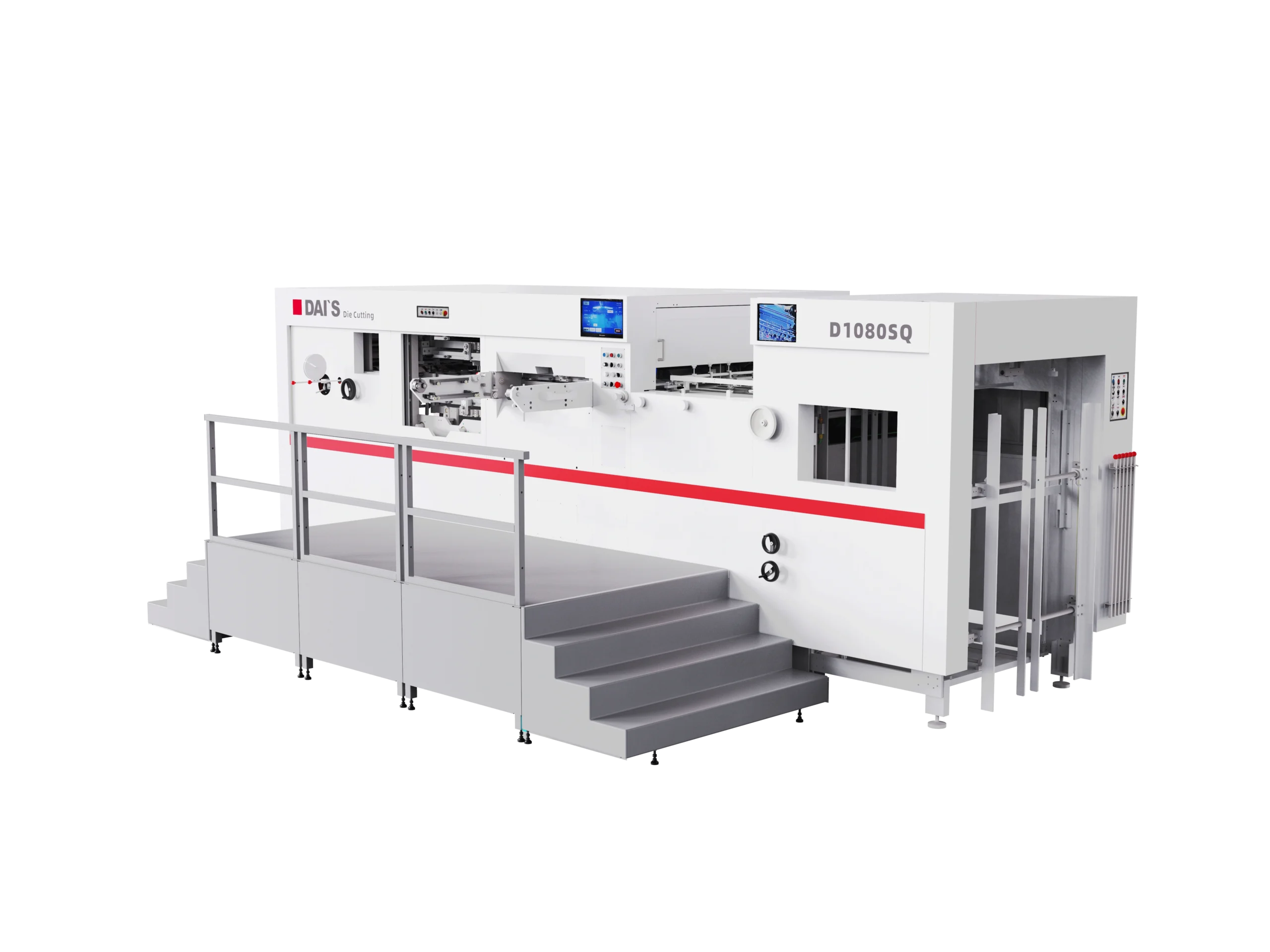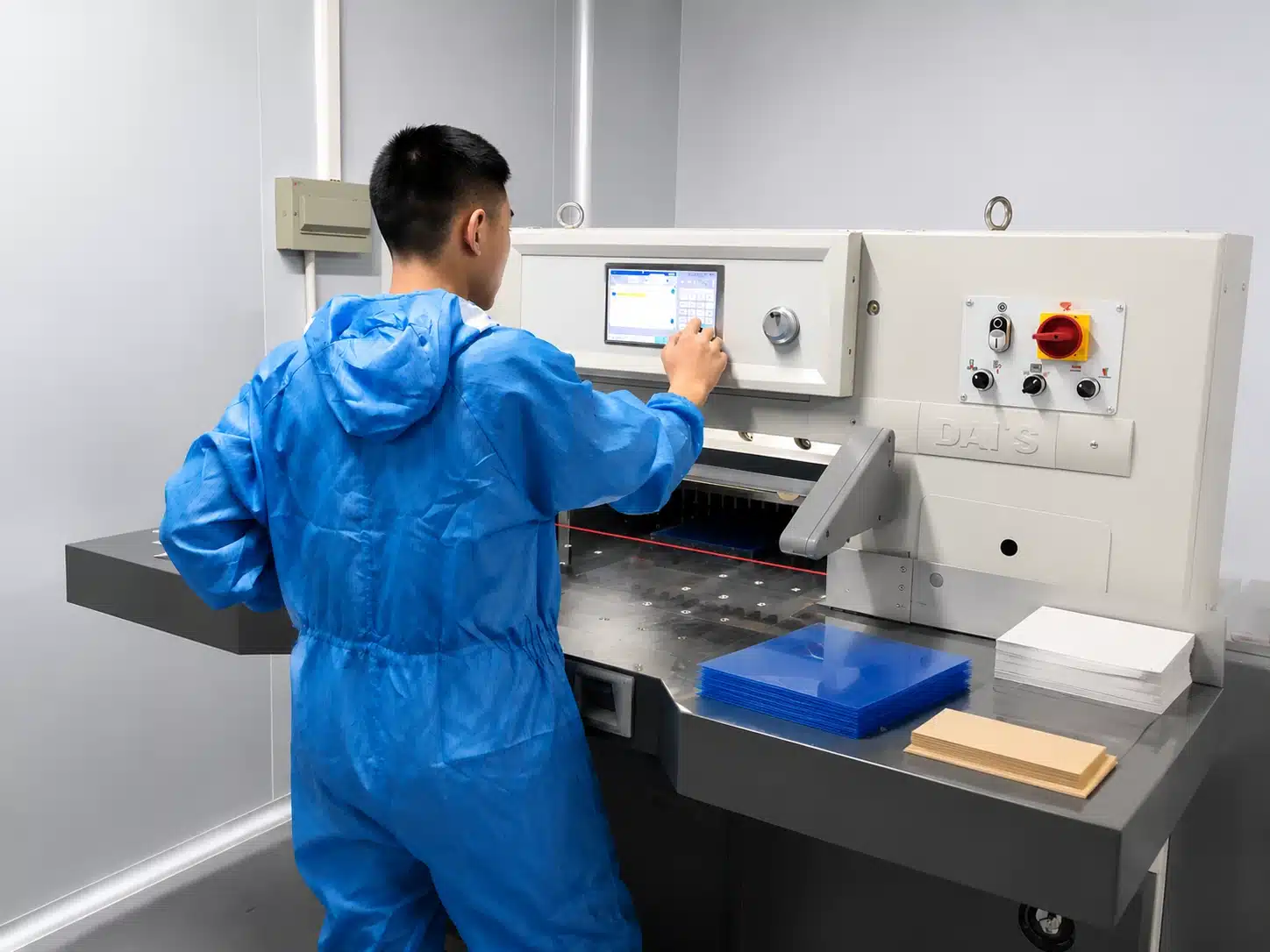
The price of a paper cutting machine can vary widely because the true cost of a machine depends on more than just machine size or brand. Automation, precision, configuration, quality, safety and productivity are all far more significant cost factors.
Most buyers think paper cutting machine prices are based primarily on size, but pricing is often determined more by automation, precision, quality, and configuration. The cost of a paper cutting machine is not simply determined by what you pay, but the relationship between performance, reliability, productivity and long-term value.
Primary positioning: Paper cutting machine costs depend on much more than size and brand – pricing is influenced by automation, precision systems, configuration, quality and long-term value.
How Much Does a Paper Cutting Machine Cost?
The cost of paper cutting machines varies widely, based on design, size and purpose. Anticipate typical price ranges to vary with model, market demand, international manufacturing standards and features.
| Machine Category | Typical Price Range (USD) | Best For |
| Manual Paper Cutters | $2,000 – $8,000 | Small shops, occasional use |
| Semi-Automatic Machines | $12,000 – $35,000 | Growing production |
| Fully Automatic Machines | $45,000 – $120,000 | Industrial output |
| High-Speed Servo Machines | $90,000 – $250,000+ | Large-scale production |
These estimates are only rough guidelines and are not quotes. The price of a paper cutting machine is affected by the specific cutting width, stack size, automation level and custom options. The long-term cost of a high-end automatic model may be lower than a low-end basic model.
What Factors Affect Paper Cutting Machine Prices?
A range of technical and commercial factors influence paper cutting machine prices. Knowing these helps to compare apples with apples rather than lowest price.
| Cost Factor | How It Affects Price |
| Automation Level | Higher automation increases cost |
| Cutting Width/Size | Larger machines cost more |
| Precision Systems | Advanced controls add value |
| Build Quality | Heavier-duty construction raises price |
| Safety Features | Advanced protection increases cost |
| Brand/Support | Service infrastructure may affect price |
Automation Level
Automation is the biggest price driver. Manual machines depend on a highly skilled operator, but servo machines offer precise repeatability with little operator intervention.
Cutting Width and Capacity
Broad machines demands sturdier frames, larger hydraulic or servo drives, and more advanced electronics, all of which add up in material and design costs.
Precision and Control Systems
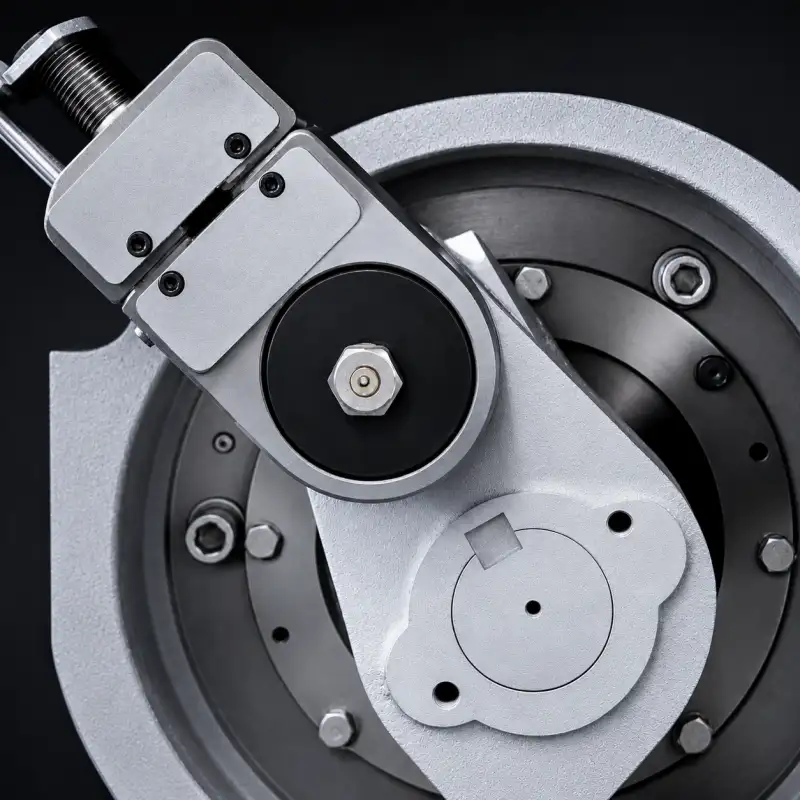
Encoders, PLCs and closed-loop control add to the cost but significantly increase accuracy and precision.
Build Quality and Materials
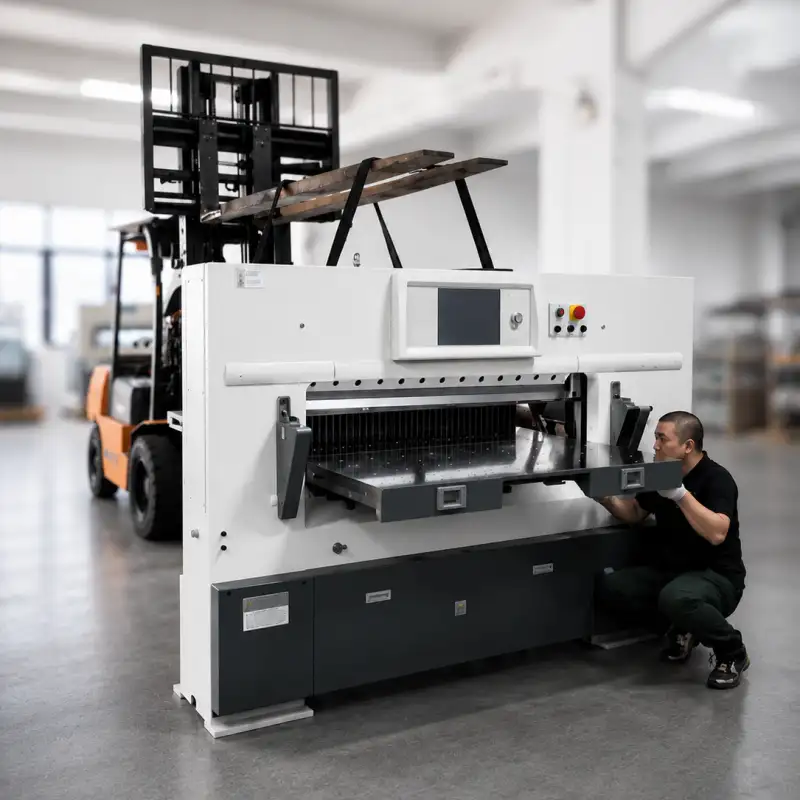
Large cast iron or welded steel frames, ground steel components and high-strength bearings increase the initial cost of paper cutting machines but improve durability.
Safety and Compliance Features
Advanced light curtains, two-hand controls, safety stops and CE/UL approvals increase the price but diminish liability and insurance costs.
After-Sales Support Infrastructure
Companies with service centres, spare parts and local support technicians can charge a higher price due to reduced downtime.
Automation Level Is Often the Biggest Price Driver
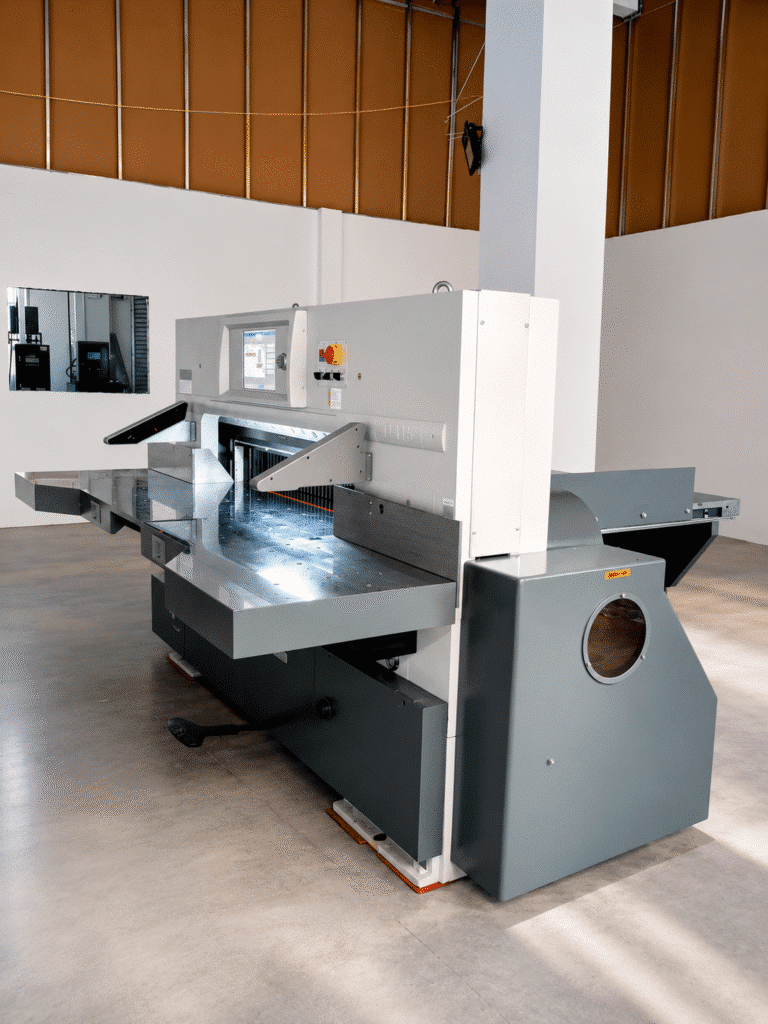
The biggest price driver for paper cutting machines is usually the automation level.
| Machine Type | Relative Price Level | Why |
| Manual | Lower | Simpler systems, operator-dependent |
| Semi-Automatic | Moderate | Partial automation |
| Automatic | Higher | Advanced controls |
| Servo High-Speed | Premium | Precision + productivity |
Servo-driven, fully automatic systems amortise their higher automatic paper cutting machine price with significantly reduced manual intervention, shorter cycle times and high accuracy. The increased productivity often yields better return on investment (ROI) over 5-7 years of expected use.
How Machine Size and Capacity Influence Cost
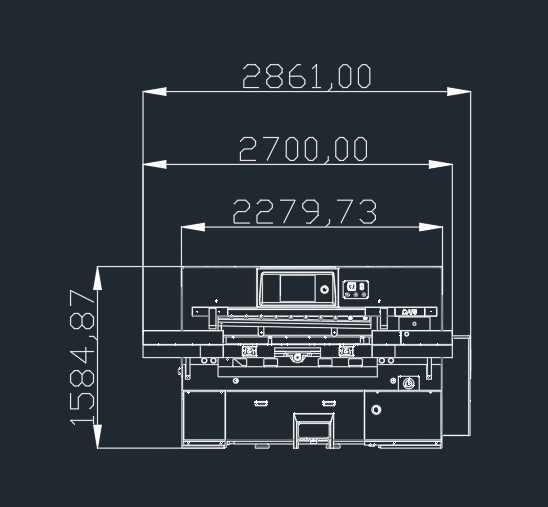
Larger machines have larger and stronger mechanical structures, drive systems and control systems.
| Capacity Factor | Effect on Pricing |
| Larger cutting width | Higher cost |
| Higher stack capacity | Higher cost |
| Greater throughput | Premium pricing |
| Industrial-duty construction | Higher investment |
A high-speed 1700mm or 1850mm commercial paper cutting machine will have a higher industrial paper cutting machine price than a 920mm or 1150mm machine, as this requires more material and design effort.
Features and Configurations That Increase Machine Price
Certain features and configurations will increase price by 15-40% but will save on operational costs.
| Feature | Price Impact | Value Added |
| Servo control | High | Precision |
| Programmable memory | Moderate | Efficiency |
| Advanced safety systems | Moderate | Risk reduction |
| Smart controls & integration | Higher | Productivity |
| Automatic loading/stacking | High | Labor savings |
Touchscreens, recipe storage and Industry 4.0 compatibility are valuable features for mid- to high-volume production.
Purchase Price vs Total Cost of Ownership
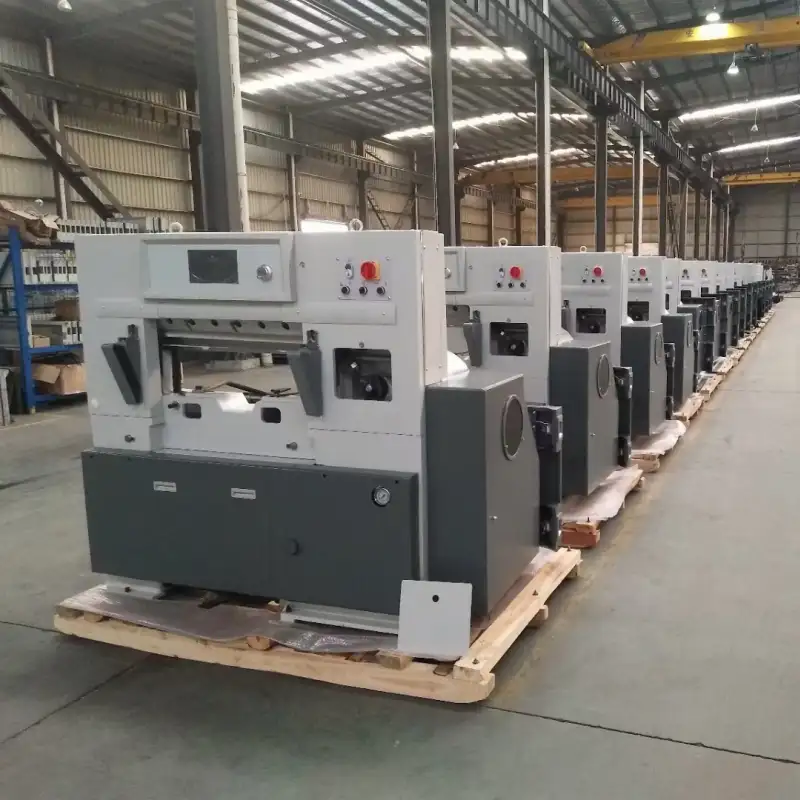
Customers should consider more than sticker price. The real paper cutting machine cost is revealed over time.
| Cost Category | Upfront Purchase | Long-Term Ownership |
| Machine Price | ✔ | – |
| Maintenance | – | ✔ |
| Labor Cost | – | ✔ |
| Downtime Risk | – | ✔ |
| Energy Use | – | ✔ |
| Productivity Gains | – | ✔ |
Cheaper isn’t always cheaper. A low purchase price can mean higher operating costs thanks to increased repairs and additional operators.
Why Two Similar Machines Can Have Very Different Prices
Despite similar specifications, different machines will cost different amounts because of differences in engineering and support.
| Difference Factor | Why Price May Vary |
| Engineering quality | Better durability |
| Components | Higher performance |
| Structural rigidity | Reduced vibration and wear |
| Custom options | Added functionality |
| Service support | Lifecycle value |
Tight tolerances, name brands of motors, drives and sensors, rigidity of the frame, and warranties all play a part.
How Buyers Should Evaluate Value, Not Just Price
Follow this evaluation guide before sending RFQs:
- What are your annual volumes?
- What accuracy is needed for your products?
- What are the current and forecasted labour costs?
- Is scalability required?
- Are local service and parts available?
This changes the decision making from “paper cutting machine price” to capital investment.
Common Pricing Mistakes Buyers Make
- Lowest price is cheapest
- Comparing machines by price but not configuration
- Not considering ongoing costs of parts and service
- Overlooking productivity gains and savings
- Overbuying unnecessary features
- Price vs. value
Conclusion — Price Should Be Evaluated as Investment Value
The price of paper cutting machines should not be seen in isolation, but as a product investment which is determined by automation, accuracy, efficiency and productivity.
Through this understanding of the true cost of paper cutting machines, factory managers and buyers can make purchasing decisions that go beyond price comparison worksheets and enable long-term profitability and productivity in years to come.
(Word count: 1,678)