

The choice between automatic and manual paper cutting machines is not just a financial one – it’s a choice about production efficiency, cutting accuracy, labour costs, and the lifetime value of the investment. One type isn’t always the best. It’s all about the volume, accuracy, complexity, and time frame of your business.
Some customers believe automatic machines are the best choice. However, the optimal paper cutting machine balances cutting accuracy, productivity, labor cost and business strategy. Manual machines tend to be suitable for low volume production, while automatic (servo driven) machines are generally used for industrial manufacturing.
Understanding the Difference Between Manual and Automatic Paper Cutting Machines
Manual and automatic paper cutting machines are both designed for the same purpose – to accurately cut paper, card stock, or board – but operate differently.
Manual paper cutters require an operator to move levers, hand wheels or foot pedals to align the material and trigger a blade. Sheets are visually aligned with a back gauge and cuts are triggered by hand. They are simple in design and require operator skill to produce quality cuts.
Automatic paper cutting machines, which are often servo or fully programmable, rely on digital control systems, servo motors and hydraulic or electric clamping and feeding systems to perform automatic positioning, clamping and cutting. The operator enters data into a touchscreen, and the machine cuts accurately and consistently with little operator input.
Here’s a clear side-by-side comparison:
| Feature | Manual Paper Cutting Machine | Automatic Paper Cutting Machine |
| Operation | Manual controls | Automated controls |
| Speed | Lower | High-speed production |
| Precision | Operator dependent | Programmable accuracy |
| Labor Requirement | Higher | Lower |
| Repeatability | Variable | Consistent |
This impact on automation level is fundamental to everything about how the machine operates, including set-up time, produced quality and efficiency.
When Manual Paper Cutting Machines Make Sense
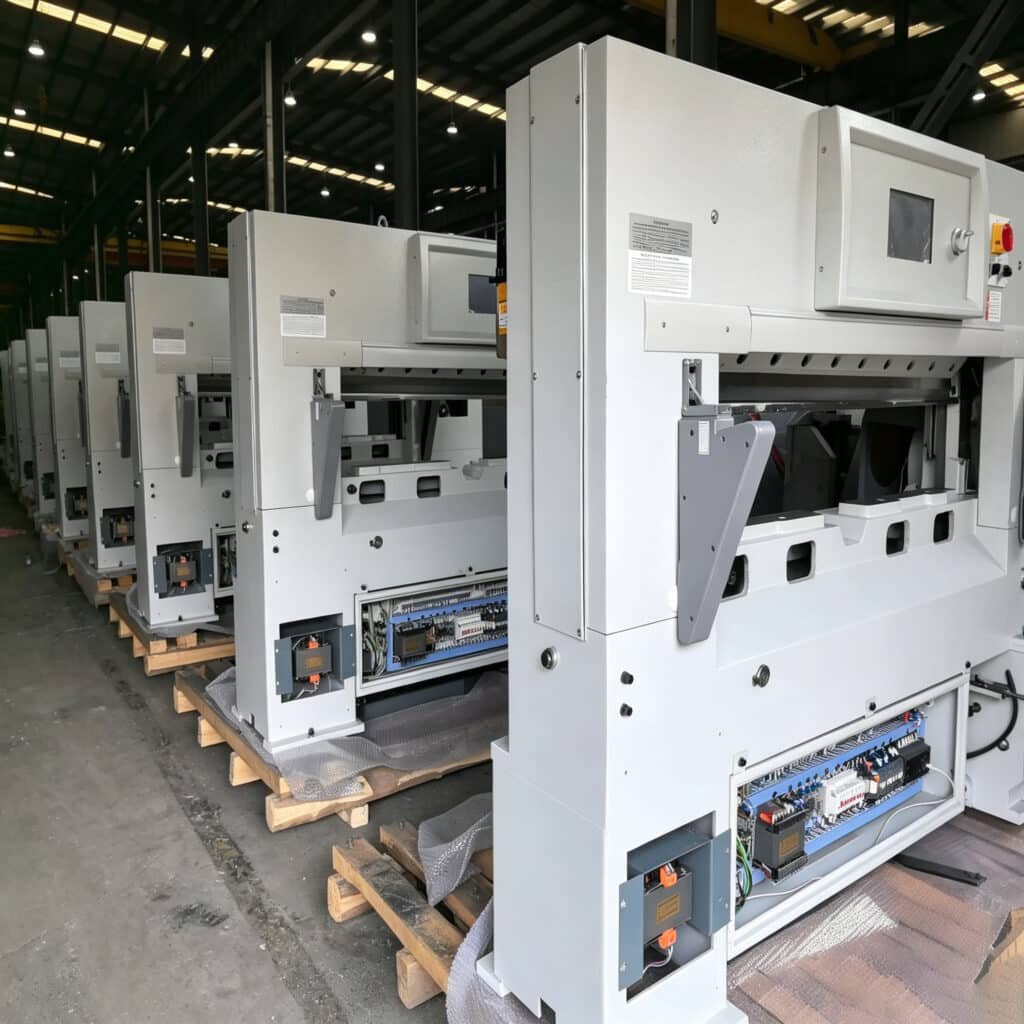
Manual paper cutting machines are still an economical option for many businesses – particularly those not operated at high volumes.
They perform well in flexible, rather than high-speed, environments. Many small print shops, custom printers, or those involved in short-run specialities and prototypes, for example, find manual cutters perfect since they can be easily adjusted without programming.
| Scenario | Why Manual Works | Limitations |
| Small workshops | Lower investment | Slower throughput |
| Short runs | Simple setup | Less scalable |
| Budget-sensitive startups | Cost-effective | Limited automation |
| Specialty jobs | Flexible use | Higher operator dependency |
Here, the initial cost and ease of maintenance gains from automation may be sufficient.
When Automatic Paper Cutting Machines Are the Better Choice
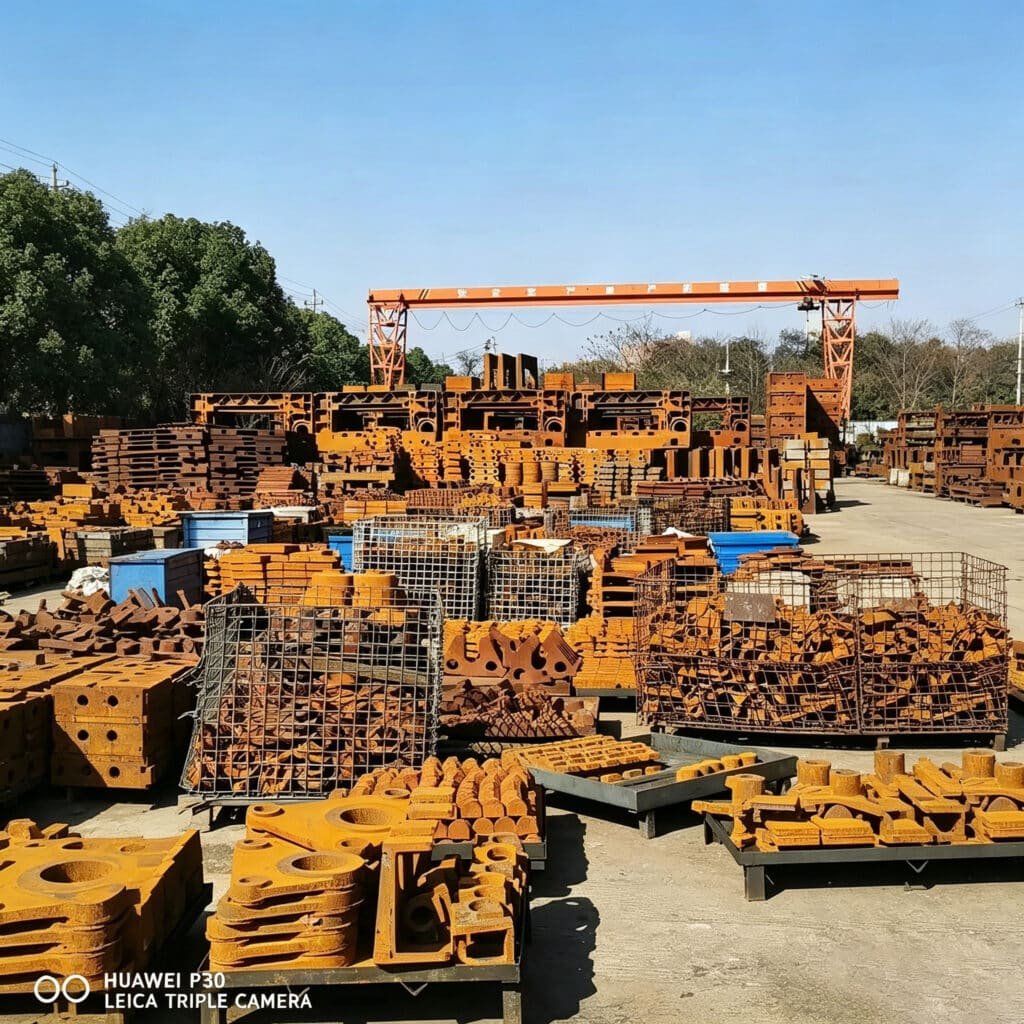
In medium- to large-scale production, automatic paper cutting machines offer gains in accuracy and speed.
Packaging converters, commercial printers with long jobs, and plants with short turnaround times all benefit from automation. Complex cut sequences, job storage and precision across thousands of sheets minimises mistakes and waste.
| Production Need | Why Automation Helps | Business Impact |
| High output | Faster throughput | Productivity gains |
| Precision cutting | Programmed accuracy | Less rework |
| Labor reduction | Lower manual handling | Operating efficiency |
| Growth scalability | Supports expansion | Long-term value |
Automatic machines are especially important in areas where there is a shortage of workers or high expectations for product quality for customer compliance.
Precision and Productivity Comparison
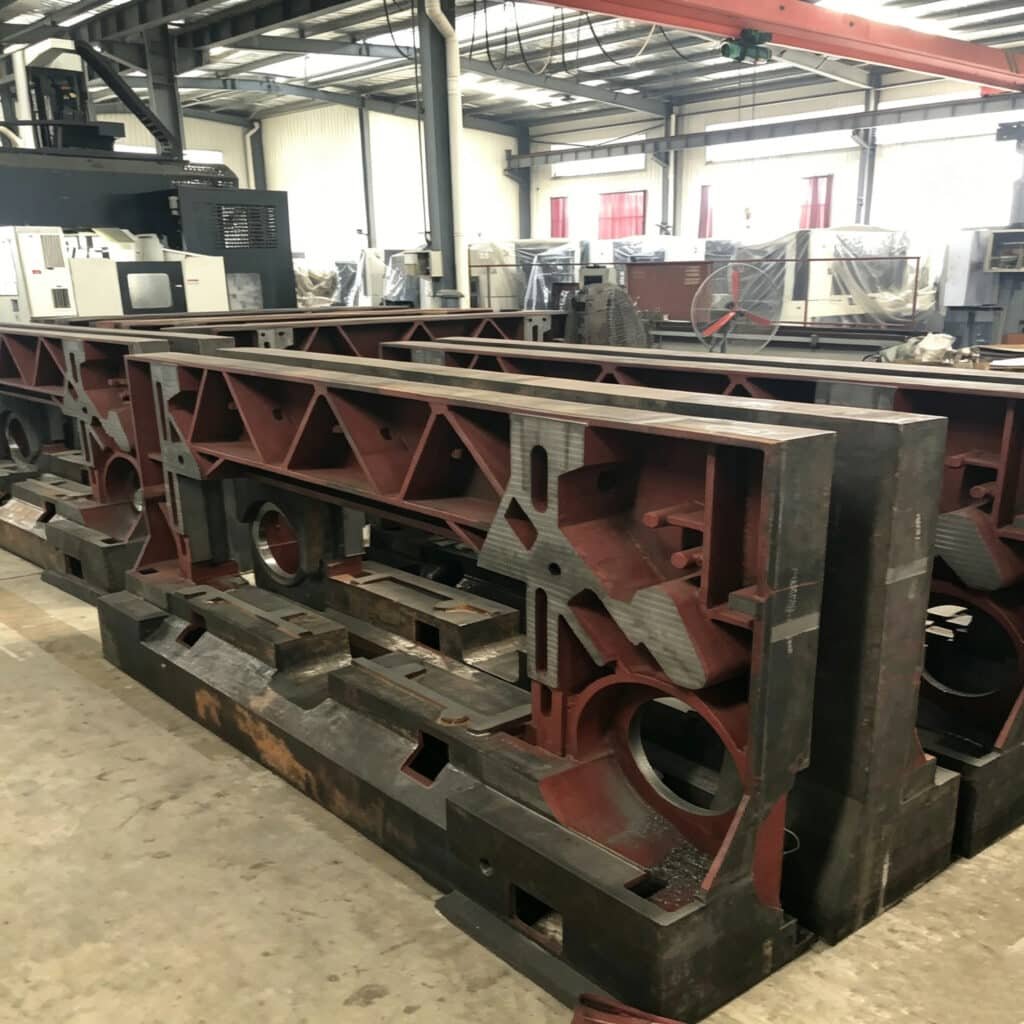
Speed and accuracy in paper cutting are more than the rapid movement of a blade. They include repeatability from shift to shift, low waste and short changeover time.
Manual cutting machines can be very accurate when operated by a skilled worker, but are inconsistent due to fatigue, operator skill, and relying on visual alignment. Servo-controlled and programmable positioning and pressure in automatic machines help maintain tight tolerances from cut to cut.
| Performance Factor | Manual Machines | Automatic Machines |
| Cut Accuracy | Moderate | High |
| Repeatability | Operator dependent | Excellent |
| Setup Speed | Slower | Faster |
| Production Output | Limited | High |
| Waste Control | Moderate | Better optimization |
You gain productivity when downtime is reduced, scrap is eliminated, and complicated jobs can be run with minimal operator intervention. The right automatic cutter can justify its price tag by these less visible factors.
Cost Comparison: Upfront Price vs Long-Term Value
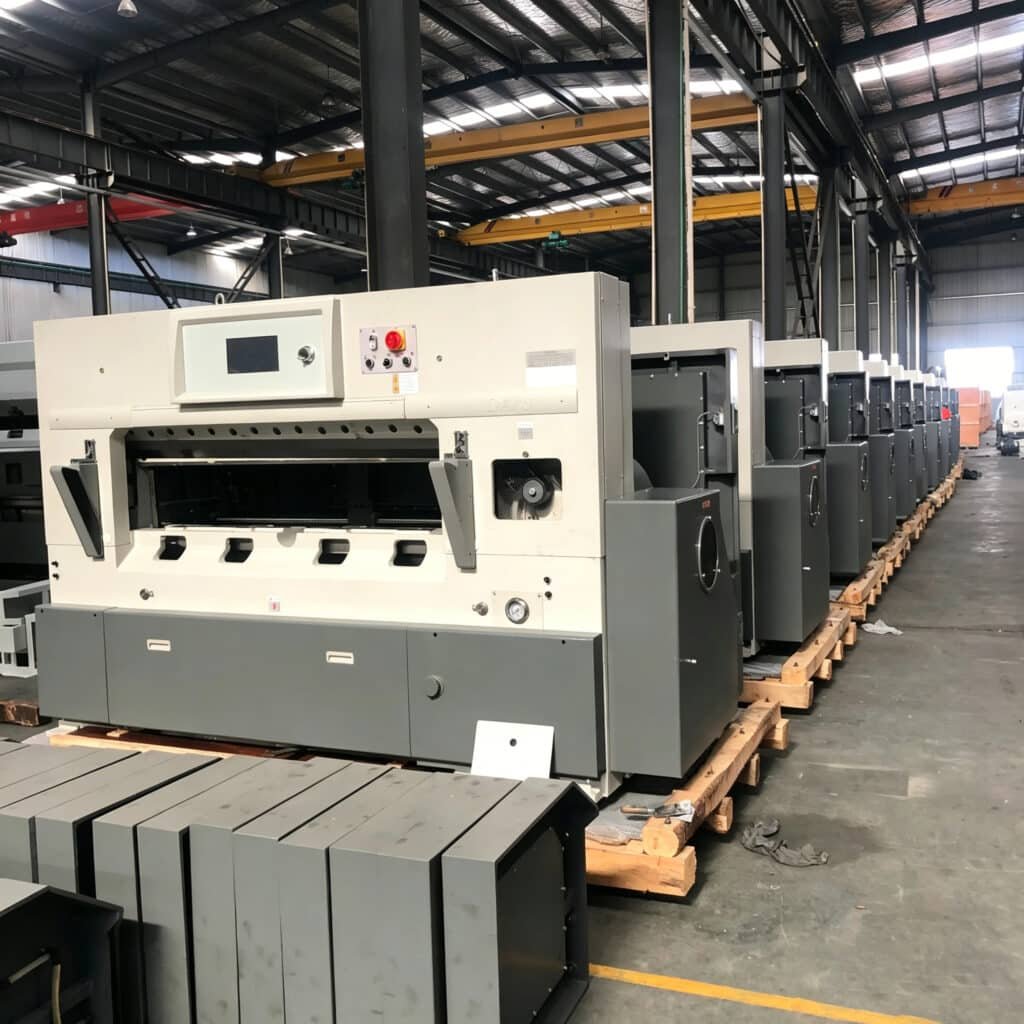
Initial cost is not the only factor.
Manual equipment has a much lower upfront price and maintenance costs. But they require more time to operate, and that means more hours of operator time over months and years.
| Cost Factor | Manual | Automatic |
| Purchase Cost | Lower | Higher |
| Labor Cost | Higher | Lower |
| Maintenance | Lower | Moderate |
| ROI Potential | Limited | Higher over time |
The initial cost is not always the most economical. Often manufacturers find the true cost of an automatic paper cutting machine is lower when considering labor costs, waste and throughput.
Key Factors to Consider Before Choosing
When determining which paper cutting machine to invest in, you must be realistic about past, present and future needs.
Factors to consider include sheet volume, range of materials (paper to board), tolerance requirements, and the availability of skilled personnel, as well as future business expansion.
| Decision Factor | Manual Better Fit | Automatic Better Fit |
| Low-volume jobs | ✔ | |
| High-volume production | ✔ | |
| Tight tolerances | ✔ | |
| Limited budget | ✔ | |
| Growth planning | ✔ |
Spend some time on planning the typical mix of work and project 2-3 years in advance. This avoid under-buying as well as over-automating.
Common Mistakes Buyers Make When Comparing Both Machines
Even savvy buyers can make these mistakes when comparing automatic vs manual paper cutting machines:
- Looking at initial cost, not total cost of ownership
- Underestimating the cost and fatigue of operators
- Paying for full automation on low-speed, simple tasks
- Failing to plan for growth and selecting a machine that becomes a bottleneck
- Overestimating the need for automation and lack of trust in manual machines
- Assuming automation will always make the process efficient without considering integration
These mistakes can be avoided for better outcomes.
Which Paper Cutting Machine Is Right for You?
It depends on what type of business you are and what you produce.
| Business Type | Recommended Option | Reason |
| Small print shop | Manual | Lower volume fit |
| Growing converter | Semi/Automatic | Scalability |
| Packaging manufacturer | Automatic | Productivity |
| Industrial production plant | Automatic | Precision + output |
Think in terms of meeting your needs with the right machine, rather than what the industry is doing or what you think is “modern”.
Conclusion — Choosing the Right Machine Depends on Production Strategy
There’s no clear winner in the automatic vs manual paper cutting machines battle. The selection of a paper cutting machine should be based on the needs, not the technology level or purchase cost.
Maximum productivity and cutting quality, efficient use of labor and meeting your strategic growth goals are more important than immediate cost reduction. By assessing your production volume, accuracy requirements, labor model and business objectives, you will be able to choose the right paper cutting machine that helps drive your success for the long term.
(Word count: 1,156)