

The working principle of a high speed laminating machine involves a synchronised feeding, coating, alignment, bonding and delivery. The high speed and accuracy of the process involve several control systems. It aims to boost production rates while ensuring registration and bonding integrity.
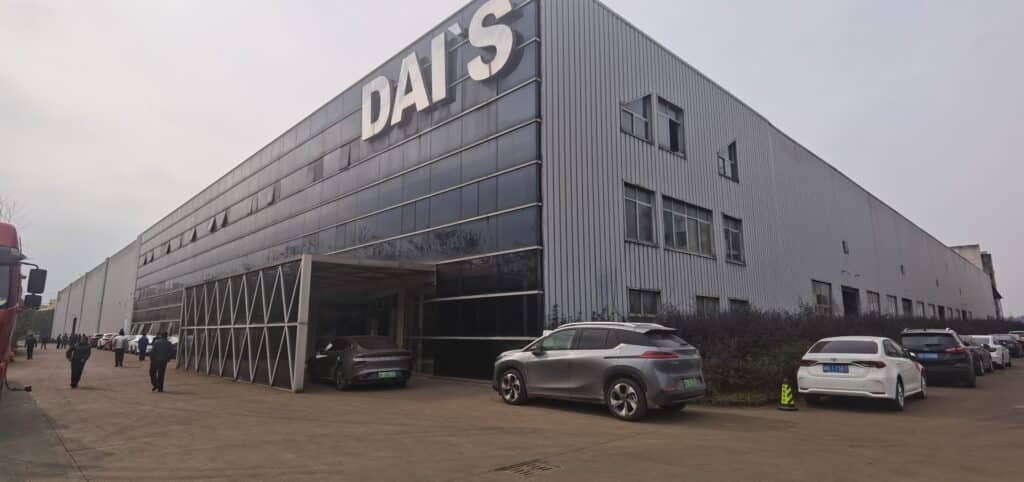
Most people think high-speed lamination is high-speed rollers. This is far from the case; speed is based on precise control systems, registration, glue and material stability. The basic principle of high speed laminating machines is all about synchronization.
What Is the Basic Working Principle of a High Speed Laminating Machine
The principle of a high speed laminating machine is to bond a printed sheet to a substrate – usually corrugated board or solid board – using continuous, automated operation. It results in flat and durable laminated products for cartons, displays and packaging.
The fundamental idea is systems integration: stations each work in time synchronisation so that the sheets flow without jamming or misalignment even at high speed 5,000-12,000 sheets per hour (dependent on model and material).
| Process Stage | Core Function | Production Role |
| Feeding | Material input | Workflow stability |
| Glue application | Adhesive coating | Bonding quality |
| Registration | Sheet alignment | Precision |
| Pressing | Lamination bonding | Structural integrity |
| Delivery | Finished output | Production continuity |
This is the integrated flow that not only sets high-speed machines apart from traditional laminators, but also defines productivity and product quality.
Step-by-Step: How the Laminating Process Works
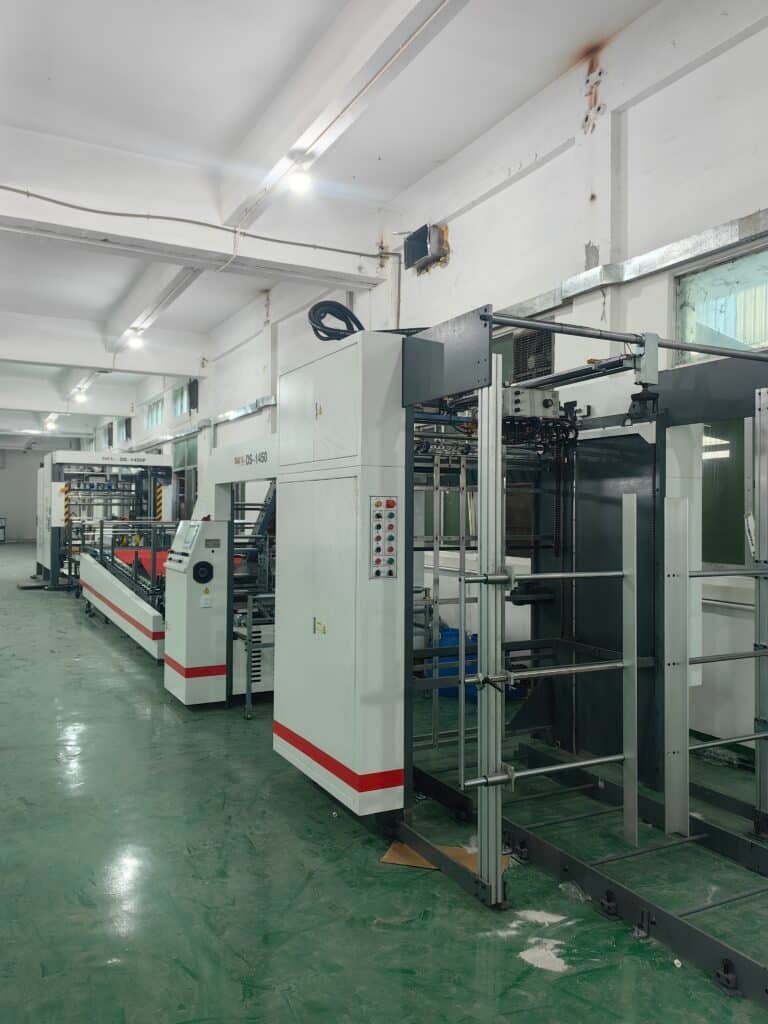
The automatic laminating process is a linear and highly orchestrated process. Each step is dependent on the last to ensure high speed operation without compromising productivity.
Automatic Sheet Feeding
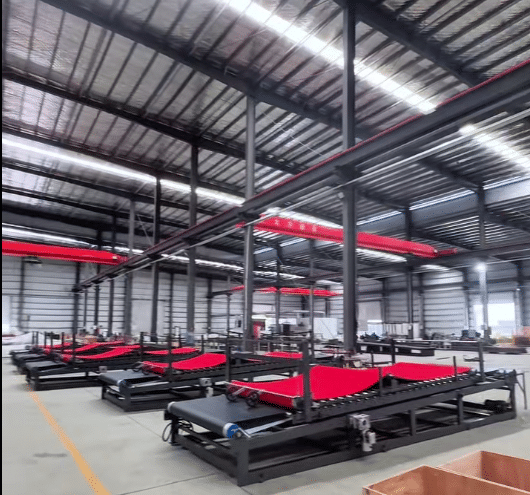
High speed laminating machines now use servo-driven feeders for high speed pickup. Suction cups or belts pick sheets from the stack and blowers and mechanical devices help prevent sheet feeding (only one sheet is pushed at a time). Servo drives regulate timing based on sheet length and thickness, ensuring a smooth transfer to the gluing unit, even at top speed.
Adhesive Application System
Upon feed, the top or bottom sheet is glued. Adhesive is applied by glue rollers, and spread evenly by metering rollers to a 100th of a millimeter. The glue circulation system maintains the glue’s viscosity to avoid settling or foaming.
| Glue System Element | Function |
| Glue roller | Apply adhesive |
| Metering roller | Control coating thickness |
| Glue circulation | Maintain consistency |
Applying a uniform coating is important – too little glue will produce weak seams; too much will cause squeeze-out and wastage.
Sheet Alignment and Registration Correction
This is where the speed comes into play. Servo correction scans the head and side edges of sheets, then corrects them (often to 0.1 – 0.5 mm) before they pass each other. Some models feature two corrections (at both the feeder and press) to correct for any warping in the substrate and speed variations.
Registration prevents waste and ensures multi-colour printed decorations remain in register.
Pressing and Bonding Section
The sheets are fed through heavy-duty rollers. These exert uniform pressure that can be adjusted as the adhesive bonds under certain time and temperature. This produces a flat, bubble-free, laminated bond.
Automatic Delivery and Stacking
After lamination, the sheets are automatically delivered and stacked. Some systems have turnover devices or palletizers that make it possible to work without interruption. This process keeps the speed of the line up, and keeps the edges from getting damaged.
Main Components of a High Speed Laminating Machine
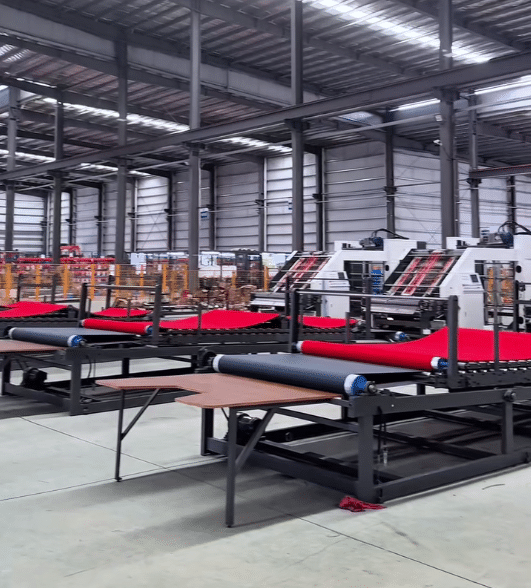
A high speed laminating machine is a cohesive system with components designed to complement each other.
| Component | Function | Impact on Performance |
| Servo feeder | Material feeding | Speed stability |
| Glue system | Adhesive control | Bond quality |
| Registration system | Alignment | Precision |
| Press rollers | Bond formation | Lamination strength |
| Conveyor system | Material transfer | Workflow continuity |
| Stacker | Output handling | Automation efficiency |
Servo motor control and PLCs integrate everything and enable fine-tuning from a master touchscreen.
How Servo Systems Improve High Speed Laminating Performance
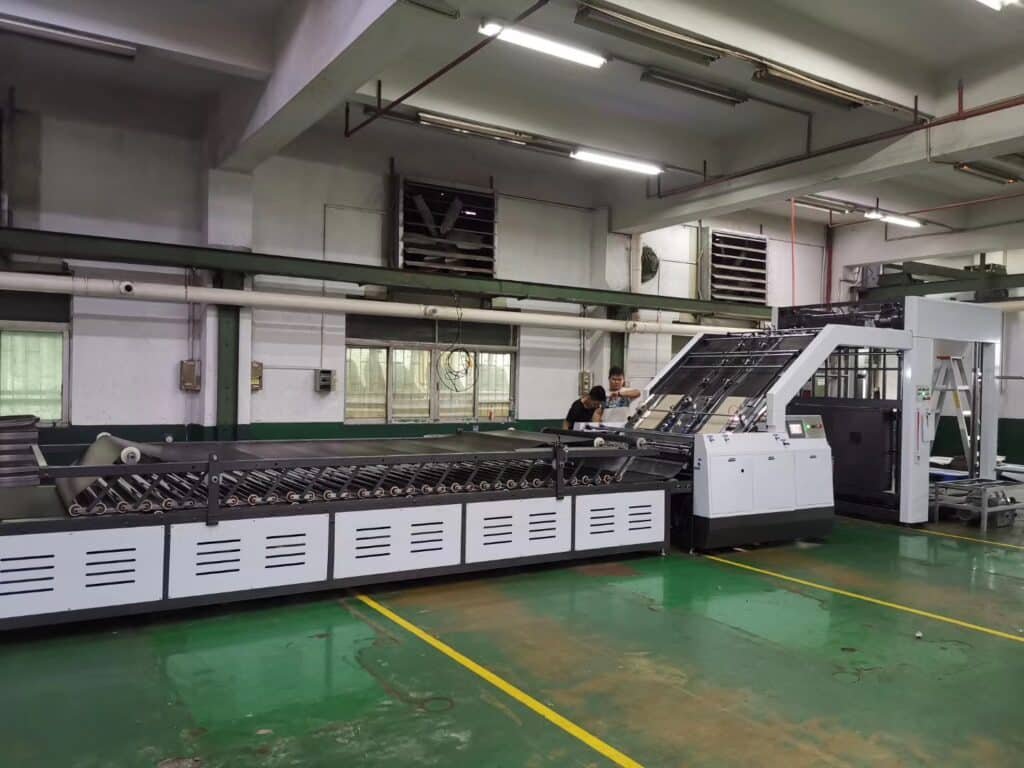
High speed laminators are built around servo systems. Servo motors offer immediate responsiveness, precise control and feedback.
They allow precise coordination between the feeder, gluer and press roll. Registration correction occurs automatically and pre-emptively. This delivers constant speed, a dramatic reduction in sheet waste and fatigue.
| Conventional System | Servo System |
| Lower precision | Higher precision |
| Manual adjustments | Automated control |
| More waste | Less waste |
| Lower speed stability | Better performance |
In practice, 15-30% increase in effective output in real production settings is reported in plants with servo-powered machines due to reduced downtimes and rework.
What Determines Laminating Speed and Efficiency?
The machine design determines the highest potential speed, but efficiency is a function of many variables.
Significant factors include feeder stability, glue, alignment, material quality, and operator. Greater automation decreases the variables for operators.
| Factor | Influence on Speed |
| Feeder stability | High |
| Glue consistency | High |
| Alignment accuracy | High |
| Material quality | Medium |
| Operator setup | Medium |
Knowing that makes it easier for the production team to identify problems and get more runs each day.
Common Problems During Laminating and How the Machine Prevents Them
Even the best equipment encounters challenges. It’s just a matter of how efficiently the machine can deal with them.
| Problem | Cause | Machine Solution |
| Misregistration | Alignment error | Servo correction |
| Bubbles | Poor pressure / air trap | Press roller adjustment & dwell |
| Weak bond | Glue issue | Glue control system |
| Wrinkles | Feeding instability | Precision feeder & tension control |
Experienced users recognise that problems are mostly related to adjustments and not machine performance. Calibration and maintenance minimise these issues.
High Speed Laminating vs Conventional Laminating Machines
There are many differences between high speed and conventional laminators, both in design and performance.
| Factor | High Speed Laminator | Conventional Laminator |
| Speed | High | Moderate |
| Automation | Advanced | Basic |
| Precision | Higher | Lower |
| Labor dependence | Lower | Higher |
| Output efficiency | Higher | Lower |
In many cases, quality is higher and consistent in higher speed machines, though conventional machines can be used for short runs or to laminate different materials.
Industries That Rely on High Speed Laminating Machines
High speed laminating equipment is suitable for any industry which requires strong and visually appealing laminated board products.
| Industry | Typical Application |
| Packaging | Carton lamination |
| Corrugated | Board mounting |
| Printing | Sheet finishing |
| Industrial paper | Composite products |
From packaging and point-of-sale displays to industrial parts and components, these machines are invaluable for manufacturing businesses.
Conclusion — High Speed Laminating Is About Precision, Not Just Speed
The key to a successful high speed laminating machine isn’t that it is fast, it’s that the feeding, glue application, alignment, pressure and automation all work to create a cohesive production system.
These principles help factory managers, production supervisors and engineers select equipment, as well as manage their production environments. By understanding the integrated systems and not just the “top speed” data, you can develop the knowledge to run efficient and reliable production day in and day out.